
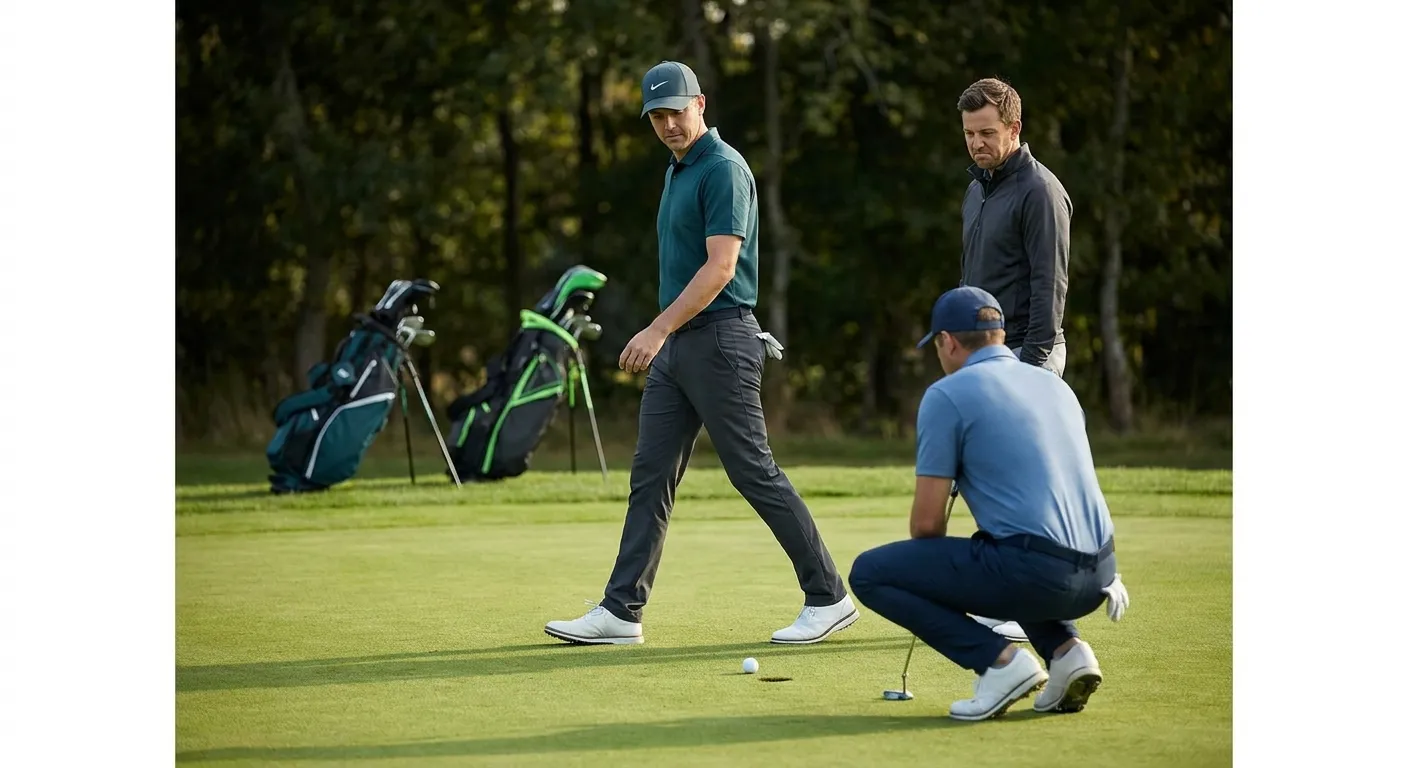
Golf is a game steeped in tradition and respect. Courtesy to fellow players and the course itself is as important as the swing. Unfortunately, even experienced golfers can sometimes make golf etiquette mistakes that disrupt the flow of play or damage the course. Understanding and adhering to proper etiquette ensures an enjoyable experience for everyone. Let’s explore some common blunders and how to avoid them. You can always be a welcome addition to any foursome.
The essence of golf lies in its unwritten rules. These guidelines foster a harmonious environment. They allow everyone to enjoy the challenge and beauty of the game. Ignoring these can lead to frustration for others. It can also detract from your own experience. Therefore, mastering golf course manners is crucial for every player, regardless of skill level.
Pace of Play Pitfalls and Avoiding Golf Etiquette Mistakes
Slow play is one of the most common and frustrating golf etiquette mistakes. To maintain a good pace, always be ready to hit when it’s your turn. Practice “ready golf” – hit when safe and ready, regardless of who is furthest away. Don’t spend excessive time searching for lost balls; if it’s clear it will take more than a minute or two, declare it lost and move on. Walk directly to your ball, not behind other players. Plan your shot while others are playing. When putting, don’t stand directly in another player’s line of sight or behind them. Once you’ve finished a hole, move quickly to the next tee before marking your scorecard.
Furthermore, consider your pre-shot routine. While a consistent routine is beneficial for swing tempo consistency, an overly long one can slow down the game. Be efficient. Select your club, assess the shot, and get ready to execute. If you are riding in a cart, drop off your playing partner at their ball. Then, drive to your own ball. This simple act saves valuable seconds. Consequently, the entire group benefits from a smoother flow of play. Always be aware of the group behind you. If there’s an open hole ahead, consider allowing them to play through. This is a common courtesy often overlooked.
Efficient Movement and Preparedness
Preparedness extends beyond just your turn. For example, have your glove on and your club selected as you approach your ball. This minimizes delays. Similarly, if you are walking, walk with purpose between shots. Don’t dawdle. When waiting on the tee box, observe the flight of your playing partners’ balls. This helps locate them more quickly. Moreover, learning distance control practice can significantly reduce the number of shots you take, inherently speeding up your play. These small adjustments cumulatively make a big difference in maintaining a good pace.
Course Care Considerations: Respecting the Green
Respect for the golf course is paramount. Always repair your divots on the fairway and pitch marks on the green. Carry a divot repair tool and use it properly. When in a bunker, enter from the low side, play your shot, and then meticulously rake your footprints and the area where you hit the ball, leaving it smooth for the next player. Avoid dragging your feet or clubs across greens, which can damage the delicate putting surface. Place your golf bag or cart strategically so it doesn’t block the next tee box or obstruct paths. Never drive carts too close to greens or tee boxes.
In addition, be mindful of waste. Dispose of trash in designated receptacles. Do not leave broken tees, empty bottles, or other debris on the course. This demonstrates a lack of respect for the environment and the maintenance staff. Speaking of maintenance, understanding that the course is a living entity helps foster a sense of responsibility. For instance, proper use of durable maintenance tools by staff ensures the course remains pristine. Your small actions contribute to this larger effort. Always replace the flagstick gently. Do not drop it carelessly onto the green. This can create dents or scuff marks, which affects putting surfaces.
Protecting the Course’s Integrity
Furthermore, be cautious around delicate areas. Ropes and signs are often placed to guide traffic and protect newly seeded or sensitive parts of the course. Always obey these directives. Driving a cart over roped-off areas or through wet sections can cause significant damage. This requires extensive repair. Consider walking when possible. This reduces wear and tear from carts. It also provides extra exercise. Moreover, when taking practice swings, do so in an area where you won’t damage the turf. Avoid taking large divots during practice swings, especially on the tee box or fairway.
Distraction and Noise: Maintaining Focus on the Course
Distractions can break a player’s concentration and enjoyment. Always remain quiet and still when another player is addressing the ball or putting. Avoid talking or making unnecessary noise. Silence your mobile phone or, better yet, leave it in your bag and only use it for emergencies. Never cast your shadow over another player’s putting line. Be mindful of your language and temper; keep frustrations to yourself. A simple “good shot” or “nice putt” goes a long way in fostering a positive atmosphere. These are crucial golf etiquette guidelines.
Moreover, be aware of your movements. Walking in another player’s putting line is a significant breach of golf etiquette. Even if you believe your shoes won’t leave a mark, the visual distraction can be disruptive. Wait until all players have putted out before walking across the green. Similarly, avoid standing too close to a player who is about to hit. Give them ample space. Their concentration is vital. Wearing moisture-wicking golf shirts can help you stay comfortable, allowing you to focus on your game and avoid distractions from discomfort.
Mindful Communication and Presence
Your attitude plays a large role. Excessive complaining or displays of anger can negatively affect the entire group’s mood. Keep your frustrations internal. Focus on the next shot instead. Encourage your playing partners. Offer genuine compliments. This creates a more pleasant atmosphere for everyone. In fact, a positive attitude is contagious. It makes the game more enjoyable. Learn to manage your emotions. This is a skill as important as any physical aspect of golf. Remember, the course is a shared space. Your behavior impacts others. Consequently, thoughtful actions enhance the experience for all.
Beyond the Basics: Advanced Golf Course Manners
While the fundamental rules of conduct are often discussed, some nuances are also important. For instance, when riding in a golf cart, be considerate of your partner. Drive smoothly. Avoid sudden stops or turns. If your partner is hitting, wait until they have completed their shot before driving off. This minimizes noise and movement. Furthermore, if you are sharing a cart, be ready to drop off your partner at their ball and proceed to your own. This ensures efficient movement. Another crucial aspect is being aware of the general flow of traffic on the course. Know when it’s appropriate to take a shortcut or wait for the group ahead. This prevents further golf etiquette mistakes.
Furthermore, always respect the course marshall’s instructions. Marshalls are there to ensure everyone adheres to the rules and maintains a good pace. Their guidance is for the benefit of all players. Ignoring their advice can lead to unnecessary delays or conflicts. Also, when playing a casual round, don’t take multiple practice shots from different spots if it’s slowing down play. One or two practice swings are usually sufficient. If you are struggling with a particular shot, perhaps focus on improving your technique during practice sessions rather than holding up the game. Virtual golf coaching can be an excellent resource for this.
Consideration for Fellow Golfers
Another often-overlooked area is communication. If you hit a shot that might be headed towards another group, always yell “Fore!” loudly and clearly. This warns them of potential danger. It is a fundamental safety rule. Similarly, if you find a lost club, make an effort to return it to the pro shop or the owner if you know them. This small act of kindness exemplifies good sportsmanship. Think about how you would feel if you lost a valuable club. Moreover, when playing with new people, introduce yourself. Engage in polite conversation. This builds camaraderie. It makes the round more enjoyable for everyone involved. Good manners extend beyond just the swing and into social interactions. These considerations help avoid common golf etiquette mistakes.
Finally, be mindful of the tee box. The teeing area is where each hole begins. It is important to keep it tidy. Replace any broken tees in the designated receptacles, not scattered around the tee box. Avoid taking practice swings that tear up the teeing ground. This area is maintained for all players. Show respect by keeping it in good condition. These small acts of consideration collectively contribute to a better golfing experience. They also reflect positively on your character. Adhering to these guidelines helps prevent golf etiquette mistakes.
The Impact of Poor Golf Etiquette on the Game
Poor golf etiquette can significantly detract from the enjoyment of the game. It creates tension and frustration among players. Imagine trying to concentrate on a crucial putt while someone in your group is talking loudly or moving around. This kind of distraction is not only annoying but can also affect performance. Moreover, neglecting course care, such as not repairing divots or pitch marks, degrades the playing surface for everyone. This makes the course less enjoyable in the long run. The cumulative effect of many players making similar golf etiquette mistakes can lead to a noticeable decline in course quality and overall player satisfaction. Therefore, understanding and practicing proper golf course conduct is essential for the longevity and enjoyment of the sport. The R&A, a governing body of golf, provides comprehensive guidelines on the Rules of Golf and etiquette, which are invaluable resources for all players. Their official rules section offers detailed insights.
Furthermore, persistent breaches of golf course manners can lead to social isolation on the course. Nobody wants to play with someone who consistently slows down the game, damages the course, or is generally inconsiderate. Your reputation as a golfer extends beyond your handicap. It includes your conduct. Therefore, cultivating good habits ensures you are always a welcome playing partner. It also fosters a more positive and respectful golfing community. These are not just arbitrary rules; they are the foundation of a shared, enjoyable experience. Addressing these poor habits is crucial for every golfer. The USGA also offers valuable resources on etiquette and the spirit of the game, reinforcing these principles. Their website is an excellent place to learn more.
Conclusion: Elevating Your Game Through Proper Conduct
By avoiding these common golf etiquette mistakes, you contribute to a more pleasant and respectful environment for everyone. Good manners on the golf course are a reflection of good character, making the game more enjoyable for all involved. Remember, golf is more than just hitting a ball. It’s about sportsmanship, respect, and camaraderie. Upholding these values enhances your own experience. It also enriches the experience of those around you. Let’s all strive to be the kind of golfer others enjoy playing with. This commitment to proper conduct elevates the game for everyone.
FAQ Section
What is the most common golf etiquette blunder?
Slow play is widely considered the most common and frustrating breach of golf course manners. It affects everyone behind you and can significantly detract from the enjoyment of the round.
How can I avoid damaging the course?
Always repair your divots on the fairway and pitch marks on the green. Rake bunkers meticulously after use. Avoid dragging feet or clubs on greens. Also, keep golf carts away from greens and tee boxes.
Is it okay to use my phone during a round?
It’s best to silence your mobile phone and keep it in your bag. Use it only for emergencies. Constant checking or talking on the phone can be highly distracting to other players.
What should I do if I hit a shot towards another group?
If your shot might endanger another group, immediately and loudly yell “Fore!” This is a crucial safety warning. It allows them to take cover.
Why is it important to follow golf course rules?
Following golf course rules ensures a pleasant, safe, and respectful experience for all players. It helps maintain the integrity of the course and fosters a positive atmosphere. It also prevents common golf etiquette errors.