
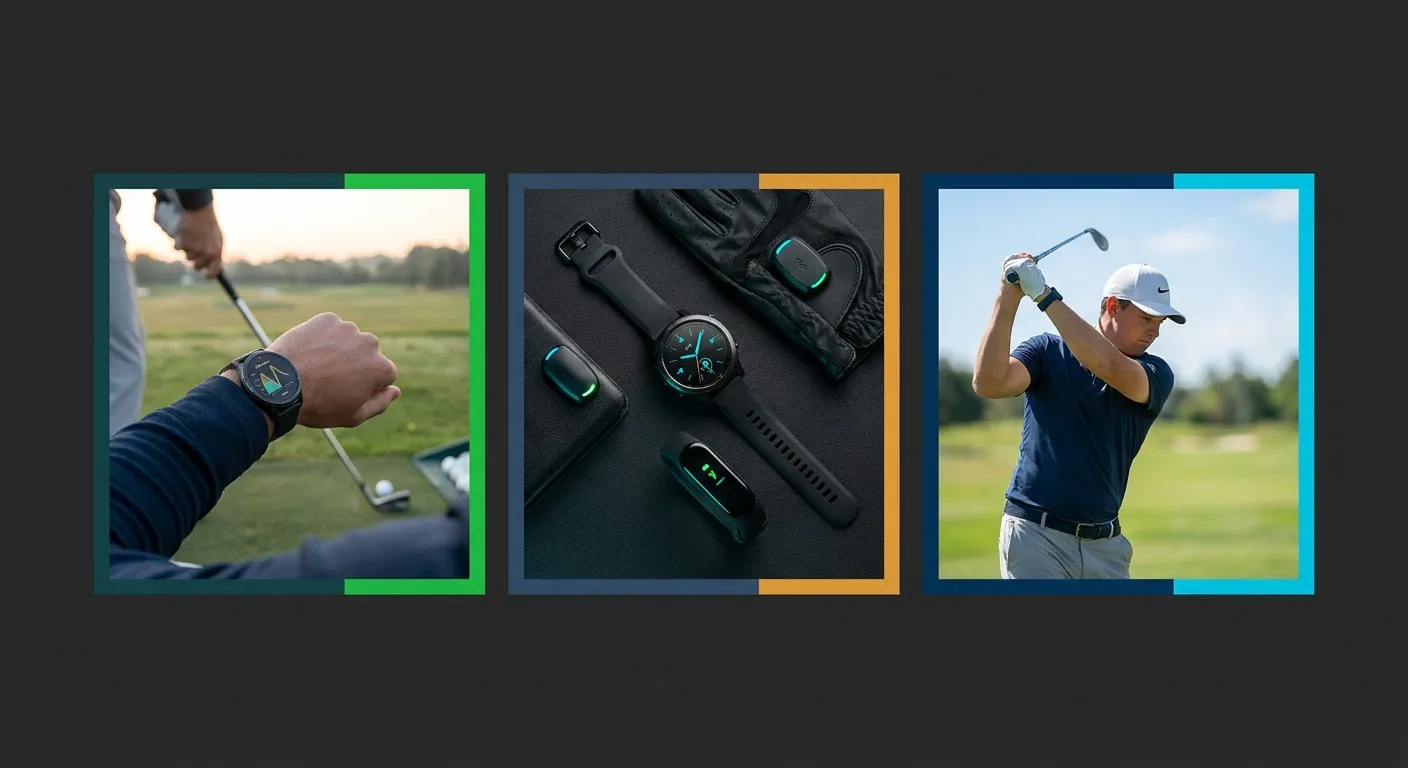
The modern golfer is always seeking an edge, whether it’s through a new club, a refined swing, or cutting-edge technology. Today, that edge often comes in a sleek package worn directly on your wrist. Best golf wearable technology is transforming how players practice, strategize, and track their performance, making the game more engaging and accessible. From smartwatches to advanced bands, these devices offer real-time data and personal coaching, truly supporting a golfer’s entire journey, on and off the course.
The global golf equipment market is projected for significant growth, with AI and smart technology integration driving innovation. Wearable tech aligns perfectly with this trend, providing golfers with immediate feedback and analytical insights. Furthermore, these devices help bridge the gap between casual play and serious training, offering tools previously only available to professionals. Consequently, players of all skill levels can benefit from these advancements.
Understanding Golf Wearable Technology
Golf wearable technology encompasses a range of devices designed to be worn during play or practice. These include GPS watches, shot trackers, swing analyzers, and even smart sensors embedded in gloves or grips. Essentially, their purpose is to collect data about your game. This data can range from distance measurements and shot locations to swing speed, tempo, and even heart rate.
Moreover, many modern golf wearables connect to smartphone apps, allowing for detailed analysis and historical tracking. This integration provides a comprehensive overview of a golfer’s progress over time. For example, a golfer can review trends in their putting accuracy or driver distance after several rounds. Therefore, understanding what each type of device offers is crucial for choosing the right one.
GPS Golf Watches: Your On-Course Caddy
GPS golf watches are perhaps the most common form of golf wearable. They provide accurate distances to the front, middle, and back of greens, as well as hazards and doglegs. Many models also feature preloaded course maps, offering a visual layout of each hole. Furthermore, some advanced GPS watches include shot tracking capabilities, automatically recording the distance of each shot.
These devices are incredibly useful for course management. By knowing precise distances, golfers can make more informed club selections. Consequently, this can lead to fewer mistakes and improved scoring. Brands like Garmin, Bushnell, and Shot Scope offer a wide array of options, each with unique features and price points. Selecting one depends largely on your budget and desired level of detail.
Shot Tracking Systems: Comprehensive Game Analysis
Shot tracking systems take data collection to the next level. These often involve sensors attached to each club grip, which communicate with a GPS watch or smartphone app. They automatically record every shot, including location, club used, and distance. As a result, golfers gain a complete picture of their performance on the course.
This detailed data allows players to identify strengths and weaknesses in their game. For instance, you might discover that your approach shots from 100-125 yards consistently miss left. Armed with this knowledge, you can tailor your practice sessions more effectively. Indeed, these systems provide invaluable insights for targeted improvement, helping with distance control practice for more consistent golf.
Swing Analyzers: Refining Your Mechanics
For golfers focused on improving their swing mechanics, dedicated swing analyzers are essential. These devices, often worn on the wrist or attached to the club, capture detailed metrics like swing speed, tempo, club path, and face angle. They provide immediate feedback, allowing golfers to make adjustments on the spot. Specifically, some models even offer 3D swing replays.
Improving swing tempo consistency through better training is a key benefit of these tools. They eliminate much of the guesswork from practice, providing objective data instead. Many professional instructors also utilize these technologies during lessons, confirming their effectiveness. Therefore, for serious players committed to honing their swing, these analyzers are a wise investment.
Key Features to Look for in Golf Wearables
When considering the best golf wearable technology, several features stand out as particularly important. Battery life is a crucial factor, as you don’t want your device dying mid-round. Furthermore, water resistance is essential for playing in various weather conditions. Clarity and readability of the display, especially in bright sunlight, also significantly impact usability.
Integration with other apps and devices can enhance the overall experience. For example, some wearables sync with health and fitness apps, providing a holistic view of your physical activity. Ease of use and intuitive interfaces are also vital, ensuring you spend more time playing and less time fiddling with settings. Ultimately, the right features will align with your personal golfing needs and preferences.
Accuracy and Reliability
Accuracy is paramount for any golf technology. Inaccurate distance readings or swing metrics can lead to poor decisions and frustration. Therefore, research product reviews and specifications to ensure the device you choose offers reliable data. Reputable brands often have a track record of producing precise instruments.
Similarly, the consistency of data collection is important. A device that occasionally misses shots or provides erratic readings will be less useful. Consequently, investing in a high-quality product from a trusted manufacturer often pays off in the long run. This ensures that the insights you gain are actionable and trustworthy.
Comfort and Design
Since golf wearables are designed to be worn, comfort is a significant consideration. A bulky or uncomfortable device can be distracting during a swing. Look for lightweight, ergonomic designs that fit securely without impeding movement. Materials also play a role; many wearables feature breathable straps for extended wear.
Aesthetic appeal can also be a factor for some golfers. Many modern wearables offer sleek designs that transition well from the course to everyday life. Ultimately, the best golf wearable technology for you will feel natural and unobtrusive on your wrist. This allows you to focus entirely on your game.
Top Picks for Different Golfer Types
The ideal golf wearable varies depending on a golfer’s skill level, goals, and budget. For beginners, a simple GPS watch might be sufficient to help with course navigation and basic distances. More experienced players, however, might benefit from advanced shot tracking and swing analysis tools. Meanwhile, professionals often combine multiple technologies for a comprehensive data set.
Consider your primary objective. Are you looking to improve your swing, understand your course performance better, or simply get accurate distances? Answering this question will narrow down your choices considerably. Here are some recommendations tailored to different types of golfers:
For the Casual Golfer: Simple GPS Watches
Casual golfers seeking basic information without overwhelming data will appreciate straightforward GPS watches. These devices typically offer distances to the front, middle, and back of the green, along with hazard information. They are generally easy to use, with minimal setup required. Moreover, many models are relatively affordable.
Brands like Garmin Approach S12 or Bushnell Golf ION EDGE are excellent entry-level options. They provide essential course data in a durable, user-friendly package. These watches help improve course management without requiring extensive technical knowledge. Therefore, they are an ideal starting point for anyone exploring golf wearable technology.
For the Improving Golfer: Shot Tracking Systems
Golfers committed to serious improvement will find immense value in shot tracking systems. Devices like Arccos Caddie or Shot Scope V3 provide detailed statistics on every shot. This includes club distances, greens in regulation, fairways hit, and putting performance. The data helps identify patterns and areas needing attention.
These systems often come with advanced analytics platforms that offer personalized insights and recommendations. For example, you might receive tips on club selection based on your actual on-course performance. This level of detail can significantly accelerate progress. Indeed, it’s a powerful tool for those dedicated to lowering their handicap.
For the Tech-Savvy Golfer: Advanced Smartwatches and Multi-Sensor Systems
For the golfer who loves technology and wants the most comprehensive data, advanced smartwatches like the Garmin Approach S70 or multi-sensor systems offer unparalleled features. These devices combine GPS capabilities with advanced swing metrics, health tracking, and smart notifications. They often integrate seamlessly with other smart devices.
Some systems even offer features like virtual caddies, which recommend clubs based on environmental factors and your past performance. Furthermore, many of these high-end options provide detailed course mapping and touch-screen interfaces. They represent the pinnacle of golf wearable technology, offering a complete digital companion for your game. Consider exploring golf tracking devices that boost performance for more advanced options.
Integrating Wearable Tech into Your Practice Routine
The true power of golf wearable technology comes from consistently integrating it into your practice and play. It’s not enough to just wear the device; you must actively use the data it provides. For instance, if your swing analyzer consistently shows an outside-in club path, you can then focus drills specifically on correcting that issue.
Many wearables offer training modes or drills within their accompanying apps. Utilizing these can make your practice sessions more structured and effective. Similarly, reviewing your shot data after a round helps reinforce what worked and what didn’t. This iterative process of data collection, analysis, and targeted practice is key to sustained improvement. Moreover, consider how virtual golf coaching helps you improve faster, often leveraging data from these very devices.
Analyzing Performance Trends
One of the most significant benefits of golf wearable technology is the ability to track performance trends over time. Instead of relying on memory, you have objective data showing your progress or areas of stagnation. This allows for data-driven decision-making about your training regimen. For example, you might notice an improvement in your short game after a month of focused practice.
Regularly reviewing your statistics can also help you set realistic goals. If your average driving distance has increased by 10 yards over three months, that’s a tangible achievement. Furthermore, understanding your tendencies under pressure can also come from analyzing data from competitive rounds versus casual play. This deep insight is invaluable for serious golfers.
Leveraging Data for Course Strategy
Beyond individual skill improvement, the best golf wearable technology significantly enhances course strategy. Knowing your exact club distances, for example, allows you to confidently lay up or go for a green. Moreover, understanding your typical miss patterns can influence your aiming points on each shot.
Many advanced GPS systems also provide insights into course conditions, such as elevation changes or wind speed (when paired with external sensors). This comprehensive understanding empowers golfers to make smarter choices, ultimately leading to lower scores. Consequently, these devices become an extension of your strategic thinking on the course. For more information on golf statistics and analysis, you might find resources from the USGA helpful.
The Future of Golf Wearable Technology
The evolution of golf wearable technology shows no signs of slowing down. We can anticipate even more sophisticated sensors, enhanced AI-driven coaching, and greater integration with other smart devices. Imagine wearables that can detect fatigue levels and suggest optimal rest periods, or devices that provide real-time biomechanical feedback during your swing.
Miniaturization and improved battery life will also continue to make these devices more practical and less intrusive. Furthermore, as the technology becomes more widespread, prices may become more accessible, making advanced tools available to an even broader audience. The synergy between golf and technology will undoubtedly continue to create exciting innovations for golfers everywhere. For a broader perspective on sports tech, consider looking at insights from Forbes SportsMoney.
Ultimately, the best golf wearable technology is the one that fits your personal game, helps you achieve your goals, and enhances your enjoyment of the sport. Whether you’re a weekend warrior or a dedicated competitor, there’s a wearable out there designed to give you that extra edge.
Conclusion: An Edge on Your Wrist
In conclusion, the integration of best golf wearable technology into the game has redefined how golfers approach practice and play. These devices, from GPS watches to advanced shot trackers and swing analyzers, offer unparalleled data and insights. They empower players to make informed decisions, refine their mechanics, and track their progress with precision. Whether you are aiming to improve your course management, enhance your swing tempo, or simply gain a deeper understanding of your game, there is a wearable solution available.
Choosing the right golf wearable depends on individual needs, budget, and desired features. However, the consistent theme across all these innovations is the ability to provide actionable data that translates into tangible improvements on the course. Embrace this technology, and you might just find that your next personal best is literally at your fingertips – or, more accurately, on your wrist. This digital companion truly supports a golfer’s entire journey, on and off the course, making the game more engaging and accessible for everyone.
FAQ: What is golf wearable technology?
Golf wearable technology refers to electronic devices worn on the body, typically the wrist or attached to clubs, designed to track and analyze various aspects of a golfer’s performance and provide real-time data. These devices aim to help golfers improve their game through objective feedback.
FAQ: How can golf performance wearables improve my game?
These devices can improve your game by providing accurate distances, tracking shot data (like distance and club used), analyzing swing mechanics (speed, tempo, path), and offering insights into your overall performance trends. This data helps identify strengths and weaknesses, allowing for more targeted practice and better on-course strategy.
FAQ: Are golf smartwatches allowed in tournaments?
Many golf smartwatches with GPS distance features are generally permitted in tournaments, provided they do not offer features that violate the Rules of Golf, such as club recommendations or slope-adjusted distances (unless local rules allow it). Always check the specific tournament rules or local rules before using any device in competition.
FAQ: What features should I prioritize when buying a golf performance tracker?
When selecting a golf performance tracker, prioritize accuracy, battery life, water resistance, and ease of use. Consider if you need GPS distances, shot tracking, or detailed swing analysis. Your personal goals for improvement will guide which features are most important.
FAQ: Do I need a separate app for my golf tracking device?
Most golf tracking devices and smartwatches pair with a dedicated smartphone app. This app is typically used for course downloads, detailed performance analysis, historical data tracking, and sometimes firmware updates. The app often provides a more comprehensive view of your data than the device itself.