
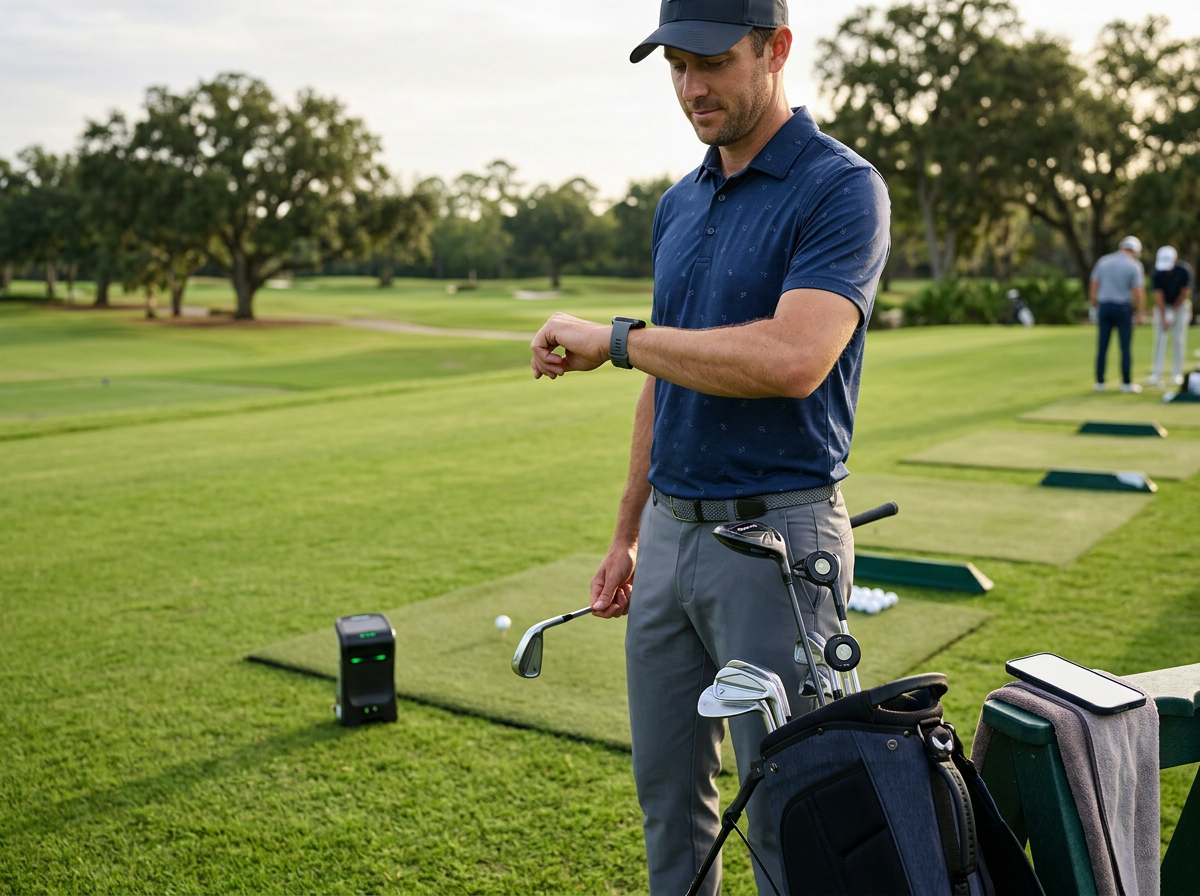
Technology has changed nearly every aspect of modern golf. From launch monitors and GPS watches to swing sensors and stat-tracking systems, golfers now have access to tools that provide detailed insight into performance. Among the most useful innovations are golf tracking devices, which help players analyze their games more accurately and make smarter decisions both on and off the course.
Many golfers practice for years without fully understanding their strengths and weaknesses. They often rely on memory or guesswork instead of measurable information. However, golf tracking devices provide real-time feedback that helps golfers identify patterns, improve consistency, and build better strategies for scoring.
Distance control becomes more reliable with accurate yardages and shot data. Swing analysis improves because players can track club speed, tempo, and impact tendencies. Consequently, golfers make more informed adjustments during practice and competition.
Confidence also grows through better awareness. Golfers who understand their distances, tendencies, and performance trends usually make smarter decisions under pressure. Instead of guessing, they rely on reliable information during important moments.
Importantly, golf tracking devices are no longer limited to professionals. Modern technology now offers options for beginners, recreational golfers, seniors, and competitive players alike. Whether using a smartwatch, handheld GPS, or advanced sensor system, golfers can train more effectively and enjoy a deeper understanding of their games.
Why Performance Tracking Matters in Golf
Golf improvement depends heavily on awareness. Players must understand where they lose strokes and which skills need the most attention. Without measurable information, many golfers waste practice time on areas that may not actually affect scoring.
Golf tracking devices solve this problem by providing objective performance data. Instead of relying only on feel, golfers can monitor distances, accuracy, shot patterns, and scoring trends more precisely.
Course management improves significantly with better data. Golfers who know exact carry distances and common misses usually choose smarter targets and safer strategies during rounds.
Tracking also creates accountability during practice. Players become more focused because they can measure progress over time rather than relying on vague impressions. Consequently, practice sessions often become more productive and goal-oriented.
Consistency improves as well. Golfers who identify recurring mistakes can address them more effectively through structured training and smarter decision-making.
Importantly, tracking devices help golfers stay realistic about performance. Many players overestimate driving distances or underestimate short-game weaknesses. Accurate data provides clearer understanding and better expectations.
Mental confidence also benefits from reliable information. Golfers who trust their numbers often commit more fully to swings and club selections during pressure situations.
GPS Devices and Smarter Course Management
GPS technology has become one of the most widely used tools in modern golf. Accurate yardages help golfers make better club selections while reducing uncertainty during rounds.
Golf tracking devices with GPS functionality provide distances to greens, hazards, bunkers, and layup areas instantly. Consequently, golfers spend less time estimating yardages and more time focusing on execution.
Course management improves dramatically when players understand exact distances rather than relying on visual judgment alone. Many golfers make poor decisions because they misjudge hazards or overestimate carry numbers.
Modern GPS watches and handheld devices also include hole maps and shot-tracking capabilities. This additional information helps golfers plan smarter strategies and avoid unnecessary risks.
Pace of play benefits too. Quick access to accurate yardages reduces delays and improves overall flow during rounds.
Some advanced systems even track club distances automatically. Golfers receive valuable data showing average carry numbers and shot tendencies for every club in the bag.
Importantly, GPS devices help golfers remain calmer under pressure. Reliable yardages reduce doubt and support more confident club selection throughout the round.
How Shot Tracking Improves Consistency
Shot tracking has become one of the most valuable features in modern golf technology. By recording every shot during rounds, golfers gain detailed insight into strengths, weaknesses, and scoring patterns.
Golf tracking devices with shot-tracking capabilities monitor distance, location, accuracy, and club usage automatically or manually. Consequently, golfers understand how they actually perform rather than relying on memory.
Many players discover surprising trends through tracking data. Some golfers realize approach shots cost more strokes than driving, while others identify weaknesses in short-game consistency or putting performance.
Shot dispersion patterns also reveal important information. Golfers can identify common misses and adjust strategy accordingly during future rounds.
Practice efficiency improves significantly because players know which areas need the most attention. Instead of practicing randomly, golfers focus on skills directly affecting scoring performance.
Importantly, long-term tracking creates measurable progress. Golfers can compare performance trends over weeks or months and monitor improvement more accurately.
Swing Sensors and Motion Analysis
Swing sensors provide valuable information about tempo, club speed, swing path, and impact conditions. These devices help golfers understand movement patterns more clearly and identify areas needing improvement.
Golf tracking devices with swing analysis features often attach to clubs, gloves, or wrists. Consequently, players receive detailed feedback without requiring large launch monitor setups.
Tempo analysis remains especially valuable because rhythm influences consistency throughout the swing. Golfers who maintain stable tempo usually produce more repeatable ball striking and better distance control.
Club path data helps golfers identify slicing, hooking, or inconsistent directional tendencies. Understanding these patterns supports smarter practice and better swing adjustments.
Many swing sensors also include training drills and personalized feedback. Consequently, golfers receive structured guidance alongside raw performance data.
Importantly, golfers should avoid becoming overly dependent on numbers. Swing data works best when supporting clear practice goals rather than creating constant technical overthinking.
Why Launch Monitor Integration Matters
Launch monitors have transformed golf training by providing highly detailed ball-flight and swing data. Many modern golf tracking devices now integrate with launch monitor technology to create even deeper performance analysis.
Ball speed, launch angle, spin rate, carry distance, and clubhead speed all influence scoring consistency. Consequently, launch monitor integration helps golfers understand how equipment and swing changes affect actual performance.
Distance gapping becomes much more accurate with launch monitor support. Golfers learn realistic carry numbers for every club rather than relying on occasional perfect shots.
Launch monitors also improve wedge practice significantly. Precise carry distances help golfers build stronger scoring skills from key yardages.
Equipment fitting benefits from launch monitor integration too. Golfers can compare shafts, lofts, and ball types while measuring real performance differences objectively.
Indoor simulator systems now combine launch monitor technology with course simulation as well. Consequently, golfers can practice year-round while tracking measurable progress.
Smartwatches Designed for Golfers
Golf smartwatches continue growing in popularity because they combine convenience, performance tracking, and wearable comfort in one device.
Many golf tracking devices now include smartwatch functionality with GPS mapping, scorekeeping, shot tracking, and fitness monitoring capabilities. Consequently, golfers gain instant access to useful information throughout rounds.
Battery life has improved dramatically in recent years. Modern golf watches often last multiple rounds while maintaining accurate GPS performance and tracking features.
Smartwatch notifications and fitness monitoring also provide added value away from the course. Many golfers appreciate devices that support both athletic performance and everyday use.
Comfort matters significantly for wearable technology. Lightweight watch designs help golfers move naturally without distraction during swings.
Some advanced models even include virtual caddie recommendations based on past performance and current conditions. This feature helps golfers make smarter strategic decisions during rounds.
Importantly, golfers should prioritize usability when choosing smart devices. Complex interfaces and excessive features sometimes create distraction rather than improvement.
How Data Improves Practice Sessions
Effective practice requires clear goals and measurable feedback. Many golfers hit balls aimlessly without understanding whether they are actually improving. However, tracking data creates structure and accountability during training.
Golf tracking devices help golfers identify specific weaknesses requiring attention. Consequently, players spend more time practicing meaningful skills rather than repeating comfortable habits.
Distance control drills become more effective with accurate carry numbers and shot-tracking feedback. Golfers can measure consistency instead of relying only on visual estimates.
Short-game practice improves significantly too. Chipping, pitching, and putting performance become easier to evaluate with measurable statistics and tracking tools.
Data also supports motivation. Golfers who see measurable improvement usually maintain stronger practice habits and greater long-term commitment.
Importantly, golfers should avoid information overload during practice. Focusing on one or two key metrics at a time often creates better results than analyzing excessive amounts of data simultaneously.
Fitness Tracking and Physical Performance
Physical conditioning influences golf performance more than many players realize. Flexibility, endurance, balance, and recovery all affect swing quality and consistency during rounds.
Many golf tracking devices now include fitness monitoring features that track heart rate, activity levels, sleep quality, and movement patterns. Consequently, golfers gain better understanding of how physical health affects performance.
Walking distance and calorie tracking encourage healthier habits during rounds and practice sessions. Some golfers become more motivated to improve fitness because their devices provide measurable goals and progress updates.
Recovery tracking also matters. Fatigue often reduces consistency late in rounds, especially during tournaments or long practice days. Monitoring recovery helps golfers manage training intensity more effectively.
Mental performance benefits as well. Better physical conditioning usually supports stronger focus, emotional stability, and endurance under pressure.
Choosing the Right Device for Your Game
Not every golfer needs the same type of technology. Skill level, budget, playing frequency, and performance goals all influence which devices provide the most value.
Beginners often benefit most from simple GPS watches or score-tracking apps because they improve course management and awareness without overwhelming complexity.
Golf tracking devices designed for competitive players usually include advanced shot analysis, launch monitor integration, and detailed performance statistics.
Senior golfers may prioritize readability, comfort, and ease of use over highly technical features. Lightweight devices with clear displays often provide the best experience.
Frequent travelers sometimes prefer compact systems that work easily across different courses and practice environments.
Importantly, golfers should choose technology that supports enjoyment rather than creating frustration. Devices should simplify decision-making and improve confidence instead of becoming distracting during play.
Balancing Technology With Feel and Instinct
Although technology offers tremendous benefits, golfers must avoid becoming overly dependent on data. Golf still requires feel, creativity, adaptability, and emotional control.
Golf tracking devices work best when supporting smart practice and better awareness rather than replacing instinct entirely. Players should use data as guidance while maintaining trust in natural athletic movement.
Short-game performance especially depends heavily on feel. Chipping, pitching, and putting require touch and imagination that numbers alone cannot fully teach.
Course conditions also vary constantly. Wind, turf firmness, pressure, and weather all influence shot execution in ways that technology cannot always predict perfectly.
Professional coaching remains valuable too. Instructors help golfers interpret data correctly and avoid becoming overwhelmed by excessive technical information.
Balance creates the best long-term improvement. Golfers who combine technology with solid fundamentals and realistic expectations usually gain the greatest benefits over time.
Ultimately, golf tracking devices have transformed how golfers practice, compete, and understand their games. Accurate yardages, shot tracking, swing analysis, and fitness monitoring all help players make smarter decisions and improve more efficiently.
The best devices provide clear insight without overwhelming the golfer. Whether using a simple GPS watch or advanced swing sensor system, golfers gain tremendous advantages from better awareness and measurable feedback.
Technology alone will not create perfect golf swings or eliminate mistakes. However, it can accelerate improvement by helping golfers identify weaknesses, monitor progress, and practice more effectively.
Golf becomes far more rewarding when players understand their games clearly. Better tracking leads to smarter decisions, stronger confidence, and more consistent performance throughout every round.
FAQ
1. What are golf tracking devices used for?
They track yardages, shot data, swing metrics, and scoring patterns to help golfers improve performance and consistency.
2. Are GPS golf watches accurate?
Yes, most modern GPS golf watches provide highly accurate yardages and useful course management information.
3. Can tracking devices improve golf scores?
Absolutely. Better data helps golfers make smarter decisions, practice more effectively, and identify weaknesses more clearly.
4. Do beginners benefit from golf technology?
Yes, beginners often improve faster because tracking devices provide clear feedback and improve course awareness.
5. Are launch monitors necessary for better golf?
Not necessarily, but launch monitors provide valuable data that can greatly improve practice, fitting, and distance control.