The pristine greens and lush fairways of a golf course are a joy to behold. However, maintaining them has traditionally come with environmental challenges. Today, golf courses are leading the charge in environmental stewardship. They are embracing sustainable golf course practices that not only protect our planet but also enhance the beauty and playability of the course. This shift reflects a broader industry commitment to responsible growth, even as the global golf equipment market expands.
Golf is more than a game; it’s an experience intertwined with nature. As awareness of climate change and resource scarcity grows, golf courses are recognizing their role as custodians of significant green spaces. The move towards sustainability is not just a trend but a necessity. It is driven by innovation in water management, ecological preservation, and energy efficiency. Golf Place believes that a healthy planet makes for a better game.
The Green Revolution: Key Sustainable Practices
Modern golf course maintenance is a sophisticated blend of agronomy, technology, and environmental science. Superintendents are increasingly adopting integrated systems. These systems provide a real-time view of operations, ensuring resources are used judiciously. This approach balances the need for top-tier playing conditions with ecological responsibility.
Innovations in Sustainable Course Management
- Precision Irrigation: Water conservation is paramount. Smart sensors and IoT devices are becoming standard, allowing for granular moisture mapping and advanced rainwater harvesting. Subsurface drip irrigation systems deliver water directly to root zones, drastically reducing waste and reliance on external sources. This ensures every drop counts.
- Organic Fertilizers and Native Plants: Moving away from synthetic chemicals, courses are opting for organic fertilizers that nourish the soil naturally. Integrating native plants into out-of-play areas enhances biodiversity, supports local wildlife, and reduces the need for intensive watering and mowing. It creates a more harmonious ecosystem.
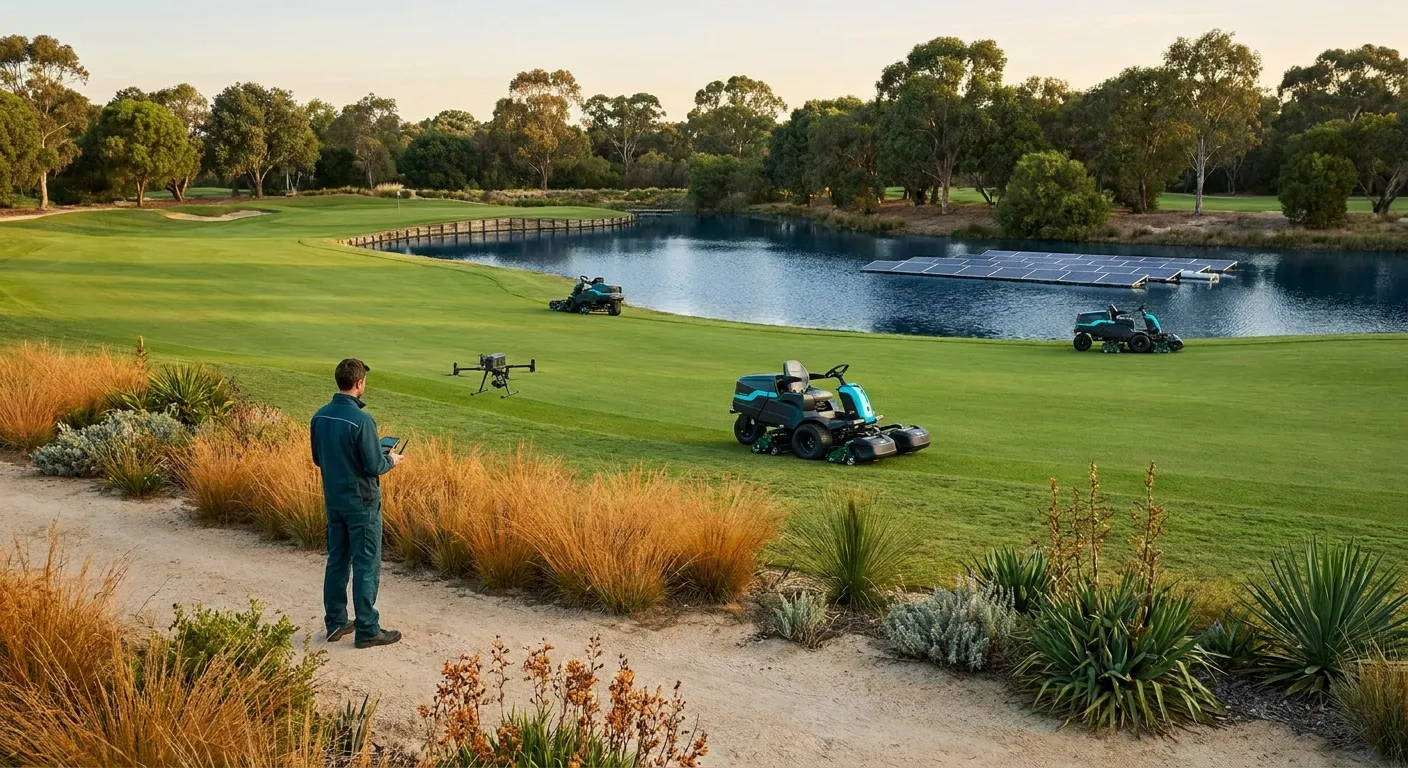
- Renewable Energy: Many courses are exploring solar panels and other renewable energy options to power clubhouses, irrigation pumps, and maintenance facilities. This reduces their carbon footprint and operational costs, aligning with a future-forward approach.
- Integrated Pest Management (IPM): Instead of broad-spectrum pesticides, IPM focuses on understanding pest lifecycles and using targeted, environmentally friendly solutions. This minimizes chemical use while effectively managing potential damage to turf.
Technology Driving Environmental Stewardship
Beyond traditional methods, advanced technology plays a crucial role. AI-driven agronomy uses data on player behavior, course conditions, and environmental factors to inform decisions. This allows for highly efficient resource allocation. For example, drones equipped with hyperspectral cameras can identify areas of stress on the turf before they become visible to the human eye. Consequently, superintendents can apply treatments precisely where needed, reducing overall chemical use. Such technology is transforming the approach to golf course environmental management.
Furthermore, cloud-based platforms now integrate various data streams. This includes weather forecasts, soil moisture levels, and even the wear patterns from golfers. These platforms offer superintendents a comprehensive dashboard. They can then make proactive decisions regarding irrigation, fertilization, and pest control. This level of data-driven insight is essential for effective environmental stewardship. It also ensures that the course remains in peak condition for players.
Water Management Innovations
Water is perhaps the most critical resource for golf courses. Therefore, innovations in water management are at the forefront of sustainable efforts. Beyond precision irrigation, many courses are investing in sophisticated water recycling systems. These systems treat wastewater from clubhouses and other facilities, then reuse it for irrigation. This significantly reduces reliance on municipal water supplies or groundwater extraction. Moreover, some courses are designing their landscapes to capture and store rainwater. This creates natural retention ponds that double as aesthetic features and wildlife habitats.
The use of drought-tolerant turfgrass varieties is also gaining traction. These grasses require less water and can withstand harsher conditions. Consequently, they reduce the overall water footprint of a course. The United States Golf Association (USGA) provides valuable resources and research on these advanced turf varieties, helping courses adopt more resilient solutions. Learn more about the USGA’s environmental efforts. These combined strategies underscore a commitment to responsible water use.
Biodiversity and Habitat Preservation
Golf courses often encompass large areas, making them significant potential habitats for local flora and fauna. Embracing biodiversity is a core tenet of modern sustainable golf course practices. Courses are actively creating and preserving naturalized areas. These areas include wetlands, meadows, and woodlands. They provide refuge and food sources for various species. Establishing ecological corridors also allows wildlife to move safely across the property.
Many courses work with local conservation groups to conduct wildlife surveys and implement habitat improvement projects. For instance, installing bird boxes, bat houses, and pollinator gardens supports specific species. This commitment extends beyond the playable areas. It transforms the entire property into a thriving ecological preserve. The Audubon International Cooperative Sanctuary Program for Golf is a prime example of an initiative that guides courses in these efforts. Discover Audubon International’s programs.
Waste Reduction and Recycling
Another crucial aspect of environmentally friendly golf course management is comprehensive waste reduction. This involves everything from proper segregation of recyclables to composting organic waste. Many courses have implemented robust recycling programs for plastics, glass, and cardboard. They also compost grass clippings, leaves, and other organic matter. This compost is then reused on the course, enriching the soil naturally. Furthermore, some courses are exploring ways to repurpose old equipment or materials, reducing landfill contributions. For instance, old tires might be recycled into playground surfaces, or discarded wood used for landscaping features. Efficient waste management is a key component of sustainable golf course practices.
In addition, the procurement of supplies is becoming more conscious. Courses are opting for suppliers who offer eco-friendly products, from biodegradable cleaning agents to recycled paper goods in the clubhouse. This holistic approach ensures that sustainability is considered at every stage of operation. It demonstrates a profound commitment to minimizing environmental impact.
Energy Efficiency and Renewable Sources
Reducing energy consumption is vital for any organization, and golf courses are no exception. Beyond solar panels, many facilities are upgrading to energy-efficient lighting, such as LED bulbs, throughout their clubhouses and maintenance buildings. They are also optimizing HVAC systems with smart thermostats and improved insulation. These measures significantly cut down on electricity usage and associated costs.
Investing in electric golf carts and maintenance vehicles further reduces reliance on fossil fuels. This also decreases noise pollution on the course. Some courses even generate their own renewable energy. This can be through small wind turbines or geothermal systems. These initiatives not only lower operational expenses but also showcase a commitment to green energy. Furthermore, proper maintenance of equipment, as detailed in our article on Maintenance Equipment Standards for Safer Operations, ensures machinery runs efficiently, consuming less energy overall. This dedication to energy efficiency is a cornerstone of modern green golf course practices.
Community Engagement and Education
Sustainable golf course practices are not solely about what happens on the course itself. They also involve engaging with the broader community. Many courses host educational events to inform members and local residents about their environmental initiatives. They might offer tours of naturalized areas or workshops on composting. This fosters a greater understanding and appreciation for ecological preservation.
Some courses also collaborate with local schools. They create educational programs that teach children about environmental science and the importance of conservation. By acting as community hubs for environmental learning, golf courses can amplify their positive impact. They inspire others to adopt more sustainable habits. This outreach strengthens the course’s role as a responsible community member. It also promotes a greener future for everyone.
The Economic Benefits of Going Green
While the initial investment in sustainable technologies and practices can seem substantial, the long-term economic benefits are significant. Reduced water consumption leads to lower utility bills. Decreased reliance on synthetic chemicals saves money on purchasing pesticides and fertilizers. Energy efficiency upgrades result in lower electricity costs. Furthermore, a reputation for environmental stewardship can attract more environmentally conscious golfers. This enhances the course’s brand image and potentially increases membership or green fee revenue.
Moreover, embracing sustainable golf course practices can lead to eligibility for various grants and incentives. These are often offered by government agencies or environmental organizations. This financial support can help offset the costs of implementing green initiatives. Ultimately, sustainability is not just good for the planet; it is also good for business. It represents a forward-thinking approach that secures the long-term viability of the golf course. Even the choice of Club Customization Benefits for Better Golf Performance can be made with sustainability in mind, considering the longevity and repairability of equipment.
Future Outlook for Green Golf
The trajectory for golf course maintenance is clear: increasingly green and technologically advanced. Research continues into new turfgrass varieties that are even more resilient and require fewer inputs. Innovations in AI and robotics will further refine precision maintenance, minimizing waste and maximizing efficiency. The industry is moving towards a future where golf courses are not just recreational spaces but also vital ecological assets. They will contribute positively to local ecosystems and global environmental health.
Golf Place is committed to highlighting these advancements. We believe that by showcasing success stories and promoting best practices, we can encourage more courses to adopt these vital changes. The future of golf is intertwined with the future of our planet. Therefore, embracing sustainable golf course practices is not just an option; it is an imperative. It ensures that future generations can enjoy the game in beautiful, healthy environments. This ongoing evolution towards sustainability is exciting. It promises a brighter, greener future for golf.
As golfers, we can also contribute by supporting courses that demonstrate a commitment to environmental responsibility. Choosing to play at facilities that prioritize ecological health reinforces the demand for these practices. This collective effort ensures that the sport we love continues to thrive in harmony with nature. Indeed, the drive for greener fairways is a journey we embark on together, celebrating every step towards a more sustainable game.
Conclusion
The journey towards greater sustainability in golf course management is ongoing and multifaceted. From precision irrigation and organic fertilizers to renewable energy and robust recycling programs, golf courses are demonstrating a profound commitment to environmental stewardship. These sustainable golf course practices are not only preserving our natural resources but also enhancing the golfing experience. By integrating advanced technology and fostering community engagement, the golf industry is setting a powerful example for other sectors. Golf Place champions these efforts, believing that a greener game is a better game for everyone. The future of golf looks bright, with pristine courses coexisting harmoniously with thriving ecosystems.
FAQ: Greener Golf Course Operations
What are some primary ways golf courses reduce water usage?
Many courses implement precision irrigation systems using smart sensors and IoT devices. They also adopt drought-tolerant turfgrass varieties and utilize rainwater harvesting and recycling systems. This significantly minimizes their reliance on external water sources.
How do golf courses support local wildlife and biodiversity?
Courses create and preserve naturalized areas like wetlands and meadows. They plant native species, establish ecological corridors, and install habitats such as bird boxes. These actions provide food and shelter for local flora and fauna.
Are organic fertilizers truly effective for maintaining golf course greens?
Yes, organic fertilizers are increasingly effective. They nourish the soil naturally, improving its long-term health and structure. This reduces the need for synthetic chemicals and supports a more robust turf ecosystem.
What role does technology play in modern green golf course management?
Technology like AI-driven agronomy, drones with hyperspectral cameras, and cloud-based data platforms enable precision maintenance. This optimizes resource allocation, minimizes chemical use, and provides real-time insights for superintendents.
What are the economic advantages for courses adopting environmentally friendly practices?
Courses benefit from reduced operational costs due to lower water, energy, and chemical consumption. They can also attract more environmentally conscious players, enhance their brand image, and may qualify for grants and incentives.