The roar of robotic mowers, the whisper of precision irrigation, and the invisible hand of AI agronomy – this is the soundscape of modern golf course maintenance. As the industry grapples with rising labor costs and a commitment to environmental stewardship, eco-friendly course maintenance technologies are no longer just an aspiration but a necessity. Golf Place celebrates how innovation is leading to healthier greens, reduced resource consumption, and a more sustainable future for the game we love.
The global golf equipment market is projected for significant growth, and with it comes a heightened responsibility for environmental impact. Golf courses are significant land users, and the demand for pristine conditions can be resource-intensive. However, advancements in technology are providing powerful solutions, aligning with the growing desire for sustainable practices within the sport.
The Drive for Sustainable Golf Course Management
Golf course superintendents face a delicate balance. They must deliver immaculate playing conditions while also managing resources responsibly. Furthermore, public perception and regulatory pressures increasingly demand a commitment to environmental protection. Consequently, the adoption of sustainable golf course management practices has become a top priority for many clubs worldwide.
Historically, maintaining a golf course involved substantial inputs of water, fertilizers, and pesticides. Nevertheless, new approaches are emerging that significantly reduce these traditional resource demands. This shift is not merely about compliance; it often leads to long-term cost savings and a more resilient playing surface. Ultimately, embracing green maintenance strategies benefits both the environment and the golf club’s bottom line.
Smart Irrigation Systems: Water Conservation at its Core
Water is perhaps the most critical resource on any golf course. In fact, traditional irrigation methods can be highly inefficient, leading to significant waste. Fortunately, modern smart irrigation systems are revolutionizing water management. These systems utilize a network of sensors embedded in the turf, which measure soil moisture levels, salinity, and even nutrient content in real-time. Therefore, water is applied only where and when it is needed.
Moreover, advanced weather stations integrate with these systems, providing hyper-local forecasts that inform irrigation schedules. This allows superintendents to anticipate rainfall and adjust watering accordingly, preventing over-watering. As a result, water consumption can be drastically reduced, often by 20-50%, making a substantial difference in regions prone to drought. Furthermore, these systems often include remote control capabilities, allowing staff to manage irrigation from anywhere, enhancing efficiency.
Robotic Mowers and Autonomous Equipment
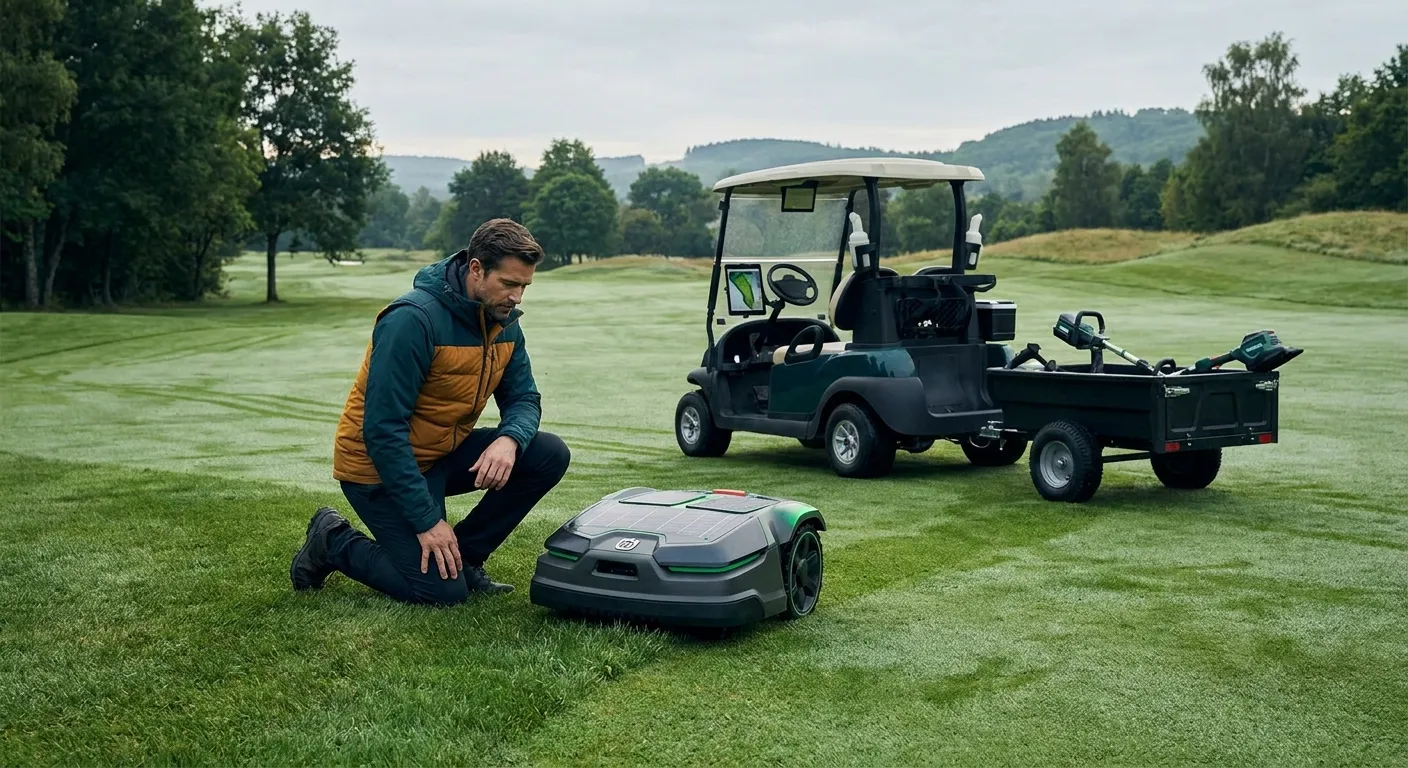
The sight of autonomous vehicles on golf courses is becoming increasingly common. Robotic mowers, in particular, are gaining popularity due to their efficiency and environmental benefits. These machines operate quietly, often powered by electricity, which eliminates the emissions associated with traditional gasoline-powered mowers. Consequently, air quality improves, and noise pollution is significantly reduced, benefiting both golfers and nearby communities.
In addition to mowers, other autonomous equipment, such as robotic bunker rakes and sprayers, are emerging. These machines can be programmed to perform tasks with extreme precision, minimizing human error and ensuring consistent results. For instance, precision spraying reduces the amount of chemicals used by targeting only specific problem areas. This contributes directly to more durable maintenance tools for long-term reliability on the course.
Precision Agronomy and Data-Driven Decisions
The future of golf course management is data-driven. Precision agronomy involves collecting and analyzing vast amounts of data related to turf health, soil conditions, and environmental factors. This data is then used to make informed decisions about fertilization, pest control, and disease management. Specifically, drones equipped with multispectral cameras can map course conditions, identifying areas of stress or nutrient deficiency long before they are visible to the human eye.
AI and machine learning algorithms process this data, providing superintendents with predictive insights. For example, they can forecast potential disease outbreaks, allowing for proactive, targeted treatments rather than broad, preventative applications. This significantly reduces the reliance on chemical inputs, aligning perfectly with the goals of eco-friendly course maintenance. Moreover, this approach ensures that resources are utilized optimally, leading to healthier turf with fewer interventions. Understanding these technologies helps improve course conditions, much like virtual golf coaching helps you improve faster by providing data-driven feedback.
Integrated Pest Management (IPM)
Integrated Pest Management (IPM) is a cornerstone of sustainable golf course operations. Rather than relying solely on chemical pesticides, IPM employs a holistic strategy that combines biological, cultural, physical, and chemical tools to manage pests. This includes practices such as selecting disease-resistant turfgrass varieties, optimizing drainage, and encouraging beneficial insects that prey on pests. For instance, specific planting choices can deter unwanted insects naturally.
When chemical intervention is necessary, IPM dictates using the least toxic and most targeted options available. This minimizes the impact on non-target organisms and the broader ecosystem. Furthermore, regular scouting and monitoring are crucial components of IPM, allowing superintendents to identify pest problems early and intervene before they escalate. Consequently, this thoughtful approach to pest control is a vital aspect of modern eco-friendly course maintenance.
Organic and Bio-Based Products
The market for organic and bio-based products in turf management is expanding rapidly. These products offer alternatives to synthetic fertilizers and pesticides, further reducing the environmental footprint of golf courses. Bio-stimulants, for example, enhance plant growth and health by improving nutrient uptake and stress tolerance, often derived from natural sources like seaweed or humic acids.
Similarly, biological control agents, such as beneficial microbes or nematodes, can be used to manage soil-borne diseases and pests. These natural solutions work in harmony with the environment, promoting a healthier soil ecosystem. While the transition to fully organic maintenance can be challenging, many courses are integrating these products into their existing programs, gradually shifting towards more sustainable practices. This commitment reflects a deeper understanding of ecological balance.
Energy Efficiency and Renewable Energy Sources
Beyond turf management, golf courses are also exploring ways to reduce their overall energy consumption. Upgrading to energy-efficient lighting, particularly LED technology, in clubhouses and maintenance facilities is a common first step. Furthermore, many courses are investing in electric utility vehicles and golf carts, which significantly reduce fuel consumption and emissions. This change not only benefits the environment but also lowers operational costs. For example, electric vehicles require less frequent maintenance compared to their gasoline counterparts.
Some forward-thinking clubs are even installing solar panels on clubhouses or maintenance buildings, generating their own clean electricity. This move towards renewable energy sources demonstrates a strong commitment to environmental stewardship and can lead to substantial long-term savings. The integration of such technologies is a clear indicator of a comprehensive approach to eco-friendly course maintenance. For instance, these advancements contribute to overall maintenance equipment standards for safer operations.
Waste Reduction and Recycling Programs
Effective waste management is another crucial element of sustainable golf course operations. This includes implementing comprehensive recycling programs for plastics, cardboard, and other materials generated on the course and in the clubhouse. Many courses also focus on composting organic waste, such as grass clippings and leaves, which can then be reused as nutrient-rich soil amendments. This reduces the need for synthetic fertilizers and minimizes landfill waste.
Furthermore, responsible disposal of hazardous materials, such as oil and chemicals, is paramount. Establishing clear protocols and training staff on proper procedures ensures that these substances do not contaminate the environment. Therefore, a commitment to waste reduction and recycling forms an integral part of any comprehensive plan for green course upkeep. This holistic view extends to all aspects of the club’s operations, from the greens to the pro shop.
The Role of Education and Certification
Educating staff, members, and the public about sustainable practices is essential for their successful implementation. Many industry organizations offer certification programs for golf courses that meet specific environmental criteria. These certifications not only validate a course’s commitment to sustainability but also provide a framework for continuous improvement. Consequently, they act as a benchmark for environmental performance.
Encouraging staff to pursue professional development in sustainable turf management ensures that the latest best practices are adopted. Moreover, communicating these efforts to members and the wider community can enhance the club’s reputation and attract environmentally conscious golfers. This transparency fosters trust and demonstrates a genuine dedication to the planet. Indeed, the commitment to eco-friendly course maintenance often becomes a point of pride for clubs.
Challenges and Future Outlook for Green Golf Practices
While the benefits of sustainable golf course management are clear, challenges remain. The initial investment in new technologies can be significant, and some courses may face resistance to change from traditionalists. However, the long-term cost savings, improved turf health, and enhanced public image often outweigh these initial hurdles. Furthermore, ongoing research and development continue to bring more affordable and effective solutions to the market.
The future of golf course maintenance is undoubtedly green. As technology continues to evolve, we can expect even more sophisticated tools and strategies to emerge, further reducing the environmental impact of the game. Golf Place believes that by embracing these innovations, golf courses can continue to provide exceptional playing experiences while also being responsible stewards of the land. This commitment ensures the longevity and appeal of the sport for generations to come. For instance, the ongoing innovation in this field mirrors the continuous improvements seen in golf ball compression and energy transfer explained, where technology constantly pushes boundaries.
Commitment to Sustainable Golf Course Operations
The journey towards a more sustainable future for golf is a collective effort. From superintendents adopting cutting-edge technologies to golfers supporting environmentally responsible clubs, every step counts. The innovations in eco-friendly course maintenance are not just about preserving nature; they are about creating a better, more resilient game for everyone. Golf Place is proud to highlight these advancements, encouraging all golf enthusiasts to learn more and support courses that prioritize our planet.
Embracing these green technologies ensures that the beauty and challenge of golf can be enjoyed for generations to come, without compromising the health of our environment. The industry’s dedication to these practices demonstrates a profound respect for the natural landscapes that make golf so unique. Indeed, the ongoing evolution in this area is a testament to the sport’s adaptability and forward-thinking spirit. For more information on sustainable practices, consider resources like the USGA’s environmental resources or the GCSAA for industry best practices.
FAQ Section
What does eco-friendly course upkeep involve?
Eco-friendly course upkeep involves using sustainable practices and technologies to maintain golf courses. This includes smart irrigation, robotic mowers, precision agronomy, and integrated pest management, all aimed at reducing environmental impact.
Why is green golf course management important?
Green golf course management is important for several reasons. It conserves natural resources like water, reduces the use of chemicals, minimizes pollution, and helps protect local ecosystems. Furthermore, it often leads to long-term operational savings for golf clubs.
How do smart irrigation systems contribute to environmental sustainability?
Smart irrigation systems contribute to environmental sustainability by precisely monitoring soil moisture and weather conditions. This allows for targeted watering, significantly reducing water waste and ensuring that water is only applied where and when it’s truly needed.
Are robotic mowers truly environmentally friendly?
Yes, robotic mowers are generally more environmentally friendly than traditional mowers. They are often electrically powered, which means zero emissions during operation and reduced noise pollution. They also contribute to more consistent turf health through frequent, light mowing.
What are some key practices for sustainable turf care?
Key practices for sustainable turf care include implementing Integrated Pest Management (IPM), using organic and bio-based products, optimizing nutrient management, and selecting appropriate turfgrass varieties. These methods collectively promote healthier turf with minimal environmental impact.