
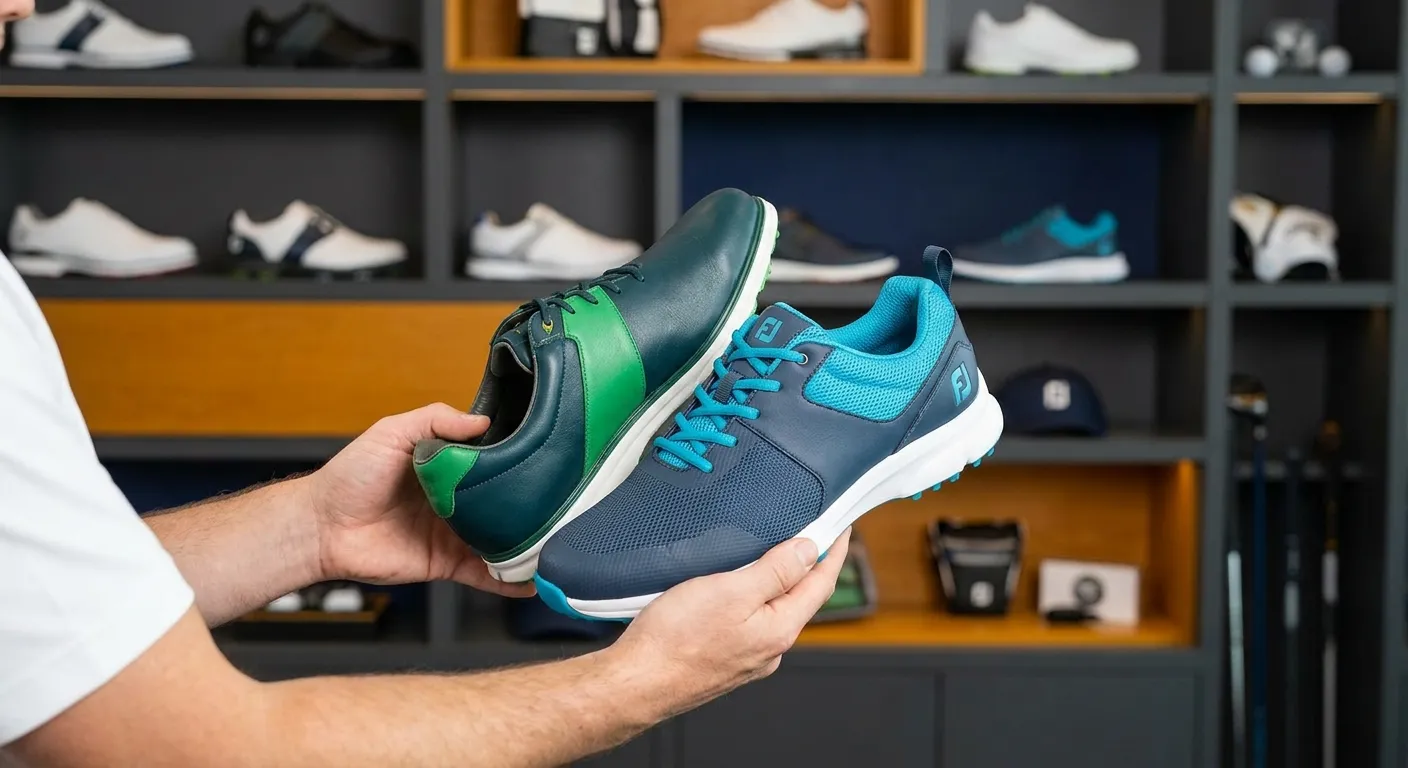
Stepping onto the golf course, every golfer knows the importance of their equipment. While drivers, irons, and putters often grab the spotlight, the right pair of golf shoes is arguably just as critical for a successful round. For optimal comfort, stability, and performance, understanding how to approach choosing golf shoes is paramount, as your footwear is the direct connection between you and the ground, influencing everything from your swing mechanics to your endurance over 18 holes.
Your golf footwear plays a significant role in your overall experience. Therefore, investing time in selecting the correct pair can lead to noticeable improvements in your play and comfort. Many players underestimate the impact of their shoes, yet they are fundamental to a stable stance and powerful swing.
Essential Factors When Choosing Golf Shoes
When you’re ready to invest in new golf shoes, several key factors should guide your decision. First, consider comfort. You’ll be on your feet for hours, walking miles, so cushioning, arch support, and a proper fit are non-negotiable. Many brands offer different widths; consequently, trying shoes on later in the day when your feet are slightly swollen can help ensure a good fit. Second, stability is vital for maintaining balance throughout your swing. Look for features like a wide base, structured heel, and lateral support. Lastly, traction—whether through traditional spikes or spikeless designs—is crucial for preventing slips and transferring power. Spiked shoes generally offer superior grip in wet conditions, while spikeless options provide more versatility and comfort for off-course wear. Ultimately, these elements combine to create footwear that supports your game effectively.
Comfort: Your Foundation for a Long Round
Comfort is truly king when it comes to golf footwear. Imagine walking several miles over varying terrain, all while maintaining focus on your shots. Uncomfortable shoes can quickly detract from your performance and enjoyment. Therefore, prioritize features like ample cushioning, especially in the midsole and heel. Look for materials that breathe well, preventing your feet from overheating. Furthermore, proper arch support is essential for distributing pressure evenly and reducing fatigue. Different brands cater to various foot types, so understanding your own foot’s needs is a good starting point. Many manufacturers now incorporate advanced foam technologies and anatomical designs to maximize comfort. For example, some models include memory foam insoles that mold to your foot over time, offering a personalized fit.
Stability: Anchoring Your Swing
A stable base is non-negotiable for a consistent golf swing. Your shoes are directly responsible for connecting you to the ground, providing the platform from which all power is generated. Therefore, when evaluating golf shoes, examine the shoe’s overall construction. A wide sole provides a larger footprint, enhancing balance. Additionally, a structured heel counter helps lock your foot in place, preventing unwanted movement during the swing’s rotation. Lateral support, often achieved through reinforced side walls or external cages, keeps your foot from rolling inward or outward, which is critical during the backswing and downswing. This strong foundation contributes significantly to maintaining swing tempo consistency, a key aspect of improving your game.
Traction: Grip for Every Condition
Traction is perhaps the most visible function of golf shoes, directly impacting your ability to prevent slips and effectively transfer power. The choice between spiked and spikeless designs largely depends on your playing conditions and personal preference. Spiked shoes, with their removable cleats, offer superior grip in wet, muddy, or hilly conditions. These are often preferred by serious golfers who play frequently in diverse weather. Conversely, spikeless golf shoes feature innovative rubber nubs or patterned outsoles that provide excellent grip on firmer ground. They are also much more versatile, allowing you to wear them off the course without changing shoes. Many golfers find spikeless options more comfortable and flexible. Modern spikeless designs have improved significantly, offering surprising levels of grip, even in damp conditions. Consider your typical course conditions and choose accordingly.
Spiked vs. Spikeless: Making the Right Choice for Golf Footwear
The debate between spiked and spikeless golf shoes continues, with both offering distinct advantages. Spiked golf shoes, traditionally featuring removable soft spikes, provide maximum grip and stability, especially on wet or uneven terrain. They are often favored by serious golfers who prioritize performance in all conditions. However, spikeless golf shoes have surged in popularity, offering impressive traction through innovative rubber nubs and patterns. These shoes are typically lighter, more flexible, and comfortable enough to wear off the course, making them a versatile choice for many recreational players. Your decision should align with your playing conditions, personal comfort preferences, and how much versatility you require from your footwear. Ultimately, the best choice enhances your game and keeps you comfortable from the first tee to the final putt.
Understanding Spiked Golf Shoes
Traditionally, spiked golf shoes were the standard. They feature several soft plastic or rubber cleats (spikes) that can often be replaced. These spikes dig into the turf, providing exceptional grip, particularly in soft, wet, or hilly conditions. This enhanced traction allows golfers to maintain a firm stance throughout their swing, minimizing slippage and enabling a more powerful rotation. Serious players and those who frequently play in less-than-ideal weather often prefer spiked shoes for their reliable performance. However, they can be less comfortable on hard surfaces, and the spikes can wear down over time, requiring replacement. Furthermore, some courses have restrictions on metal spikes, though most modern spiked shoes use soft, turf-friendly versions.
The Rise of Spikeless Golf Shoes
Spikeless golf shoes represent a significant innovation in golf footwear. Instead of traditional spikes, their outsoles are covered with hundreds of small rubber nubs, lugs, or intricate patterns designed to provide grip. This design offers several benefits. Firstly, they are generally more comfortable and flexible, feeling more like athletic sneakers. Secondly, their versatility is a major draw; you can wear them from your car to the course and even off the course for casual wear without feeling awkward or damaging surfaces. The traction offered by modern spikeless shoes has dramatically improved, making them suitable for most playing conditions, especially on drier courses. Many recreational golfers and even some tour professionals now opt for spikeless models due to their comfort and adaptability.
When you are considering golf footwear, remember that the goal is to enhance your game. Therefore, trying on both types is highly recommended. Pay attention to how each type feels during a simulated swing and while walking. Your personal preference will ultimately guide your decision, but understanding the pros and cons of each helps in making an informed choice for golf shoes.
Waterproofing and Breathability: Protecting Your Feet
Golf rounds are rarely played in perfect conditions. Consequently, your golf shoes need to protect your feet from the elements. Waterproofing is a crucial feature, especially if you play in the mornings when dew is present or if you anticipate rain. Many golf shoes come with a waterproof membrane, often backed by a warranty. This keeps your feet dry and comfortable, preventing blisters and discomfort that can arise from wet socks. However, waterproofing shouldn’t come at the expense of breathability. Your feet generate heat and sweat, so materials that allow moisture vapor to escape are equally important. Look for shoes with breathable membranes or upper materials that prevent your feet from feeling clammy. A good balance between waterproofing and breathability ensures comfort in various weather conditions.
Material Matters: Uppers and Outsoles
The materials used in golf shoes significantly impact their performance, durability, and comfort. Uppers are typically made from leather, synthetic leather, or textile fabrics. Leather offers a classic look, excellent durability, and naturally molds to your foot over time, often providing good breathability and waterproofing. Synthetic leather is lighter, often more affordable, and can be highly resistant to water. Textile uppers, frequently found in spikeless designs, are usually the lightest and most breathable, ideal for hot weather. The outsole material, typically rubber or a proprietary blend, dictates the grip and flexibility. High-quality rubber compounds provide excellent traction and durability. Furthermore, the midsole material, often EVA foam or similar cushioning, contributes to the shoe’s comfort and shock absorption over long walks on the course. For example, some brands use advanced foams to reduce weight while increasing energy return, which can be beneficial over 18 holes.
Fit and Sizing: Getting It Just Right
An improper fit is the quickest way to ruin a round of golf. Therefore, paying close attention to fit and sizing is critical when purchasing golf shoes. Your golf shoes should fit snugly but not restrictively, with enough room in the toe box for your toes to wiggle slightly. Your heel should feel secure, without excessive slippage during your swing or walk. Always try on both shoes, and ideally, wear the type of socks you typically golf in. As mentioned earlier, trying shoes on later in the day can account for natural foot swelling. Additionally, be aware that sizing can vary between brands, so don’t assume your regular shoe size will be consistent across all golf shoe manufacturers. If possible, walk around the store and simulate a few golf swings to gauge the comfort and stability. Some retailers even have indoor putting greens where you can truly test them out. A properly fitted shoe will provide the support you need without causing blisters or discomfort, enabling you to focus entirely on your game. This is as important as having cushioned golf grips for better comfort and feel.
Style and Aesthetics: Looking Good on the Course
While performance is paramount, there’s no denying that style plays a role in your choice of golf shoes. Modern golf shoes come in a vast array of designs, from traditional leather oxfords to athletic sneaker-like styles, and even vibrant, fashion-forward options. Your shoes are an extension of your personal style and can complement your golf apparel, such as moisture-wicking golf shirts or stretchable golf pants. Consider what look makes you feel confident and comfortable on the course. Many brands offer classic, timeless designs, while others embrace bolder colors and modern silhouettes. Ultimately, choose a style that you genuinely like and that reflects your personality. When you feel good about what you’re wearing, it can subtly boost your confidence, which is always a plus in golf.
Maintenance and Longevity of Your Golf Footwear
Once you’ve made your investment in golf shoes, proper maintenance is key to extending their lifespan and ensuring they continue to perform. After each round, wipe down your shoes to remove dirt, grass, and mud. If they are spiked, check the spikes and replace any that are worn or damaged. For leather shoes, conditioning them periodically will keep the leather supple and prevent cracking. Allow wet shoes to air dry naturally, away from direct heat, and consider using shoe trees to help them maintain their shape. Proper care not only preserves the aesthetic appeal of your shoes but also maintains their functional integrity, such as waterproofing and traction. Regular cleaning and care for your golf shoes are just as important as maintaining your clubs and other golf equipment. For more details on general equipment care, you might explore resources on maintenance equipment standards for safer operations.
Understanding these aspects will greatly assist you in choosing golf shoes that not only look great but also provide the comfort, stability, and performance you need to excel on the course. Your footwear is a critical component of your golfing ensemble, directly impacting your connection to the ground and, consequently, your swing. Make an informed decision that supports your game.
Advanced Features to Consider When Selecting Golf Shoes
Beyond the core elements of comfort, stability, and traction, modern golf shoes often incorporate advanced technologies designed to further enhance performance. For instance, some shoes feature BOA Fit Systems, which use a dial and wire lace system to provide a precise, micro-adjustable fit that can be tightened or loosened with a simple twist. This ensures a consistent fit throughout your round. Other innovations include specialized cushioning materials like Boost foam from Adidas or Charged Cushioning from Under Armour, which offer superior energy return and shock absorption, reducing fatigue over long walks. Furthermore, some brands integrate biomechanically engineered outsoles that are designed to work with the natural movement of your foot during the golf swing, optimizing ground force reaction. These advanced features can provide an extra edge, especially for serious golfers looking to maximize every aspect of their game. You can find more information about golf footwear technology on sites like Golf Distillery, which often covers the technical aspects of golf equipment.
Environmental Considerations and Sustainable Golf Shoes
As environmental awareness grows, so does the demand for sustainable products, including golf shoes. Many manufacturers are now incorporating eco-friendly materials and production processes into their designs. This might include using recycled plastics for uppers, sustainable leather sourcing, or innovative manufacturing techniques that reduce waste and energy consumption. For example, some brands offer shoes made with partially recycled content or materials that are biodegradable. If sustainability is important to you, look for brands that highlight their environmental initiatives and product certifications. Choosing golf shoes with a reduced environmental footprint allows you to enjoy your sport while also supporting responsible manufacturing practices. The trend towards sustainability is transforming many industries, and golf is no exception, with more options becoming available for conscious consumers.
The Importance of Trying Before Buying for Golf Shoes
While online shopping offers convenience, the importance of trying on golf shoes in person cannot be overstated. Each person’s foot is unique, and what feels comfortable to one individual may not suit another. When you try shoes on, you can assess the fit, feel the cushioning, check for any pressure points, and determine if there’s adequate room in the toe box. Walk around, simulate a few swings, and pay attention to how your heel is held. This hands-on experience is invaluable for making the right purchase. Furthermore, trying on different brands and models can reveal subtle differences in fit and feel that might not be apparent from product descriptions alone. Ultimately, the best way to ensure you’re satisfied with your new golf shoes is to experience them firsthand. Consider visiting a specialized golf retailer where staff can offer expert advice and fitting services. For more insights on golf equipment and performance, you can also check out resources like USGA Golf Shoes Guidelines, which often provide technical specifications and recommendations.
In conclusion, choosing golf shoes is an investment in your game. By prioritizing comfort, stability, and the appropriate traction for your playing style and conditions, you’ll ensure a solid foundation for every swing. Take your time, try on different models, and select a pair that truly supports your journey on the green. The right footwear can significantly enhance your performance, comfort, and overall enjoyment of the sport. Make an informed decision, and your feet will thank you for many rounds to come. Ultimately, the perfect pair of golf shoes will feel like a natural extension of your body, allowing you to focus on your game without distraction.
FAQ: Frequently Asked Questions About Golf Footwear
What is the main difference between spiked and spikeless golf shoes?
Spiked golf shoes feature removable cleats that offer maximum grip, especially in wet conditions, while spikeless golf shoes have rubber nubs or patterns for traction and are more versatile for off-course wear. The choice often depends on playing conditions and comfort preference.
How often should I replace my golf footwear?
The lifespan of golf footwear varies based on frequency of play, course conditions, and maintenance. Generally, serious golfers might replace their shoes annually, while recreational players might get two to three years out of a pair. Look for signs of wear in the outsole, upper, and cushioning.
Can I wear regular athletic shoes for golf?
While you can, it’s not recommended. Regular athletic shoes lack the specialized traction and lateral support found in golf-specific footwear. This can lead to slipping during your swing, reduced power transfer, and potential injury. Golf shoes are designed to provide the stability needed for the unique movements of a golf swing.
How do I ensure a proper fit when buying golf shoes?
Always try on both shoes with golf socks later in the day when your feet are slightly swollen. Ensure a snug fit without tightness, with enough room for your toes to wiggle. Walk around and simulate swings to check for comfort and heel slippage. Sizing can vary between brands, so don’t rely solely on your usual shoe size.
Are waterproof golf shoes really necessary?
Waterproof golf shoes are highly recommended, especially if you play in morning dew, damp conditions, or anticipate rain. They keep your feet dry and comfortable, preventing blisters and discomfort. However, ensure they also offer good breathability to prevent your feet from overheating.