
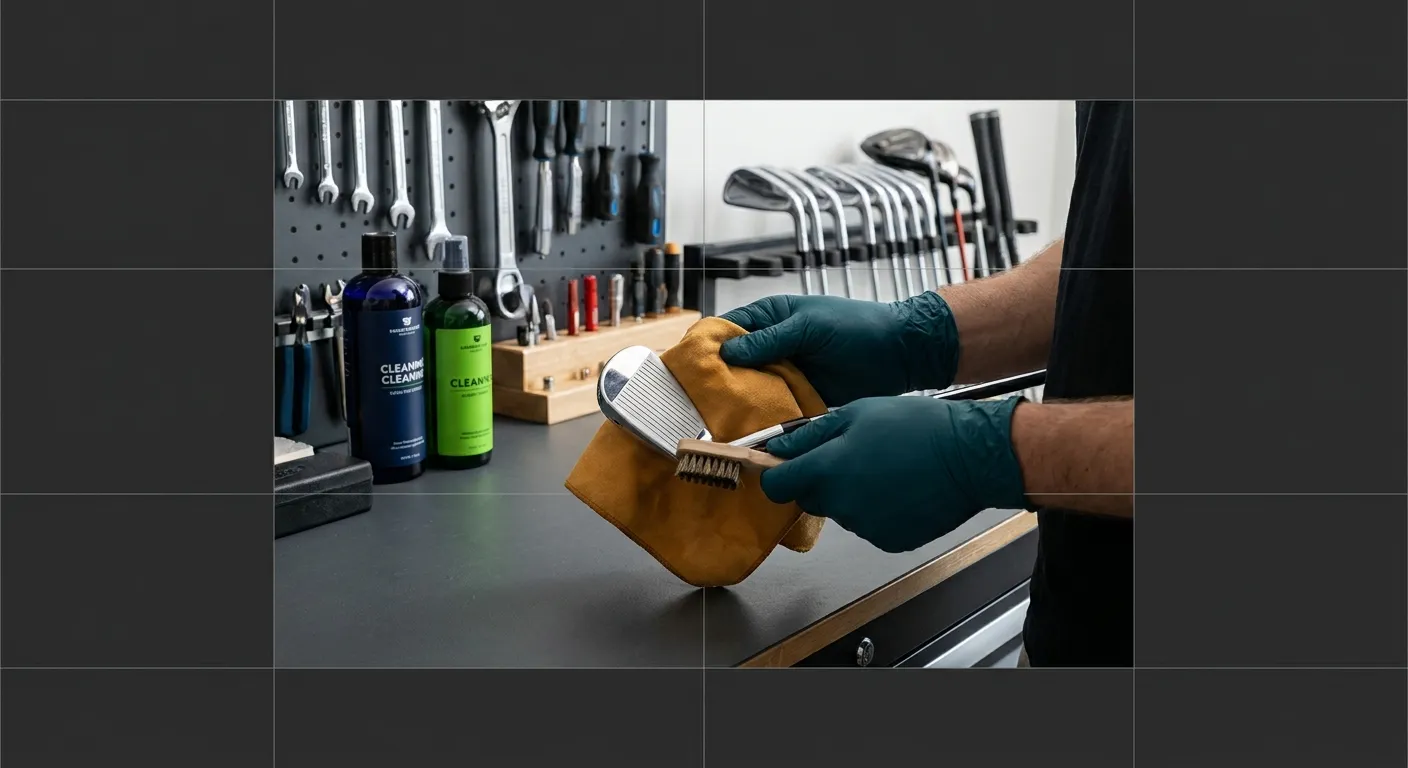
Your golf clubs are precision instruments, and like any fine tool, they perform best when properly cared for. Neglecting your clubs can lead to decreased performance, reduced lifespan, and even affect your game. At Golf Place, we advocate for proactive golf club maintenance to keep your equipment in top condition. A clean and well-maintained set of clubs not only feels better but can also contribute to more consistent shots and better scores. Consequently, understanding proper care is paramount for every golfer.
Basic Golf Club Maintenance Practices
Regular cleaning is the cornerstone of effective golf club care. After every round, or at least every few rounds, take the time to clean your clubheads. Use a stiff brush (a dedicated golf brush or even an old toothbrush works well) and warm, soapy water to remove dirt, grass, and sand from the grooves. Pay particular attention to the grooves on your irons and wedges; clean grooves are crucial for imparting spin on the ball. Furthermore, a clean clubface ensures better contact with the golf ball. For your driver and fairway woods, simply wipe them down with a damp cloth. After cleaning, dry your clubs thoroughly to prevent rust. For grips, a mild soap and water solution can remove oils and dirt, restoring their tackiness. Allow them to air dry completely before storage. In addition, consider using cushioned golf grips for better comfort and feel during play.
Protecting and Storing Your Clubs
Beyond cleaning, proper storage and protection are vital. Always use headcovers for your woods and hybrids to prevent dings and scratches. Iron covers are a matter of preference, but they do offer protection. When transporting your clubs, ensure they are securely fastened in your bag or travel case to prevent them from knocking against each other. When storing clubs at home, keep them in a dry, temperate environment, away from extreme heat or cold, which can damage grips and shafts. Avoid leaving clubs in a hot car trunk for extended periods. Periodically check for loose ferrules (the black ring connecting the shaft to the clubhead) or any signs of wear on your grips and shafts. Addressing minor issues promptly can prevent more significant problems down the line. Consistent golf club maintenance ensures your equipment remains reliable and ready for your next round.
Deep Cleaning and Specialized Care
While routine cleaning is essential, occasionally your clubs will benefit from a more thorough deep clean. For instance, stubborn dirt or minor rust spots might require a specialized cleaning solution designed for golf clubs. Always follow the manufacturer’s instructions carefully when using such products. Moreover, steel wool or abrasive pads should generally be avoided on clubheads, as they can scratch finishes. Instead, use soft cloths and brushes. For shafts, a gentle wipe-down with a damp cloth is usually sufficient. In fact, excessive scrubbing can damage shaft coatings. Remember, the goal is to maintain the integrity of the club materials. Consequently, choosing the right cleaning agents is key to effective club care.
Furthermore, consider investing in durable maintenance tools for long-term reliability. These tools can make the cleaning process more efficient and effective. For example, a good groove sharpener can restore the bite to your wedges, which is crucial for controlling spin. However, use these tools sparingly and correctly to avoid damaging the clubface. Consult guides or videos if you are unsure about proper usage. Ultimately, proper tool selection enhances your overall approach to equipment upkeep.
Grip Care and Replacement
Your grips are the only point of contact with your clubs, making their condition critical for consistent performance. Over time, grips can become slick from dirt, oils from your hands, and general wear. Regular cleaning with mild soap and water can restore some of their tackiness. However, eventually, grips will harden, crack, or lose their original feel. When this happens, it’s time for a replacement. Worn grips can lead to a firmer grip pressure, which can negatively impact your swing tempo and overall control. Therefore, replacing worn grips is a vital part of comprehensive golf club maintenance. Many golfers choose to regrip their clubs every 40 rounds or once a year, depending on play frequency. Consider exploring anti-slip golf grips for comfort and stability if you experience issues with grip slippage.
Regripping can be done at home with the right tools, or by a professional at your local golf shop. This small investment can make a significant difference in how your clubs feel and perform. Furthermore, fresh grips can instantly make an old set of clubs feel new again. This is a crucial aspect of ensuring your equipment continues to perform at its best. Therefore, prioritize grip inspection and replacement as part of your routine.
Shaft Inspection and Care
The shaft is the engine of your golf club, transmitting power from your swing to the clubhead. While shafts are generally durable, they can sustain damage from impacts, bending, or improper storage. Periodically inspect your shafts for any signs of cracks, dents, or unusual bending. Even hairline cracks can compromise the shaft’s integrity and affect performance. For graphite shafts, be particularly careful about nicks and scratches, which can weaken the material. In fact, a compromised shaft can lead to inconsistent ball striking. Consequently, careful handling is essential.
Clean shafts with a soft, damp cloth and avoid harsh chemicals that could damage the finish. Store clubs in a way that prevents shafts from being bent or stressed. For example, avoid leaning clubs against hard surfaces where they might fall. If you notice any significant damage, it’s best to consult a professional club fitter or repair specialist. A damaged shaft can drastically alter the club’s flex and torque, impacting shot dispersion and distance. Proper shaft care is thus integral to comprehensive golf club maintenance. Therefore, regular checks are highly recommended.
Ferrule and Hosel Care
The ferrule is the small, typically black, plastic ring located at the junction of the shaft and the clubhead. Its primary purpose is aesthetic, providing a smooth transition. However, a loose or cracked ferrule can indicate an underlying issue with the clubhead-to-shaft connection. While a loose ferrule itself usually doesn’t affect performance, it can be a sign that the epoxy bond is failing. If you notice a loose ferrule, it’s wise to have it checked by a club repair professional. They can often re-epoxy the clubhead securely. Moreover, ignoring this could lead to the clubhead separating from the shaft. Consequently, addressing this issue promptly is important.
The hosel is the part of the clubhead where the shaft is inserted. It’s designed to withstand significant forces during a swing. Inspect the hosel for any cracks or deformation, especially after an impact with a hard object. Damage to the hosel can compromise the structural integrity of the club and make it unsafe to use. Therefore, pay attention to these often-overlooked components as part of your regular golf club maintenance routine. In fact, a quick visual inspection can prevent larger problems. Thus, a proactive approach is always best.
When to Seek Professional Help
While much of golf club maintenance can be done at home, some situations warrant professional attention. For example, if you notice significant damage to a shaft, a loose or rattling clubhead, or a severely bent club, it’s best to take it to a qualified club repair specialist. They have the expertise and specialized tools to safely diagnose and fix these issues. Attempting complex repairs yourself without proper knowledge can lead to further damage or even render the club unusable. Furthermore, professionals can assess if your clubs require more advanced services like loft and lie adjustments, which are critical for optimal ball flight and consistent contact. In addition, they can offer insights into club customization benefits for better golf performance.
Regular professional check-ups can also extend the life of your equipment and ensure it’s performing as intended. Think of it like taking your car for a service; sometimes, an expert eye is needed. For instance, they can check the swing weight and balance, ensuring your clubs are perfectly matched to your swing. This proactive approach to club care can prevent small problems from becoming costly repairs. Therefore, don’t hesitate to consult a professional when needed.
Tools and Products for Effective Club Care
To effectively manage your golf club care, having the right tools and products on hand is beneficial. A good golf brush with both wire and nylon bristles is indispensable for cleaning grooves and clubheads. Additionally, a towel specifically for golf clubs is useful for wiping down clubs during a round and after cleaning. For deep cleaning, a bucket of warm, soapy water is essential. Many golfers also find specialized golf club cleaning solutions helpful for tackling stubborn dirt and grime. Furthermore, a groove sharpener can help maintain the integrity of your iron and wedge grooves, which are vital for spin control. For example, a clean groove can significantly impact your shot shape. Moreover, a grip cleaning solution or mild dish soap will keep your grips tacky. Lastly, don’t forget headcovers for your woods and hybrids to protect them during transport and storage. These items make the routine task of golf club maintenance much easier and more effective. Therefore, assembling a small kit is a smart investment.
Impact on Performance and Longevity
Consistent golf club maintenance directly translates to enhanced performance on the course and extended longevity of your equipment. Clean grooves allow for maximum spin, giving you better control and stopping power with your irons and wedges. A clean clubface ensures solid contact and consistent ball flight, while well-maintained grips provide optimal feel and prevent slippage, contributing to swing tempo consistency through better training. Moreover, protecting your clubs from nicks, scratches, and environmental damage preserves their structural integrity and aesthetic appeal. In fact, clubs that are regularly cared for will last significantly longer, saving you money in the long run. Consequently, this investment of time pays dividends in both playability and durability. Therefore, viewing club care as an integral part of your golf journey is crucial. Ultimately, a well-maintained set of clubs is a joy to play with, offering reliability and confidence on every shot. It ensures that your equipment is always ready to perform at its peak, supporting your pursuit of lower scores and greater enjoyment of the game. This proactive approach is a hallmark of serious golfers. Furthermore, remember that the smallest details in equipment care can have a profound impact on your game. For more information on golf equipment standards, you can refer to resources like the USGA website or the R&A website, which outline regulations and maintenance guidelines for golf equipment.
Conclusion
In conclusion, prioritizing golf club maintenance is not merely a chore; it’s a fundamental aspect of maximizing your potential on the golf course. From routine cleaning of clubheads and grips to vigilant inspection of shafts and ferrules, every step contributes to the longevity and performance of your valuable equipment. Consistent care ensures that your clubs remain reliable, helping you achieve more consistent shots and ultimately, better scores. Remember, a well-cared-for set of clubs instills confidence and enhances the overall enjoyment of the game. By following these essential maintenance practices, you’ll safeguard your investment and keep your clubs performing at their peak, round after round. Therefore, make club care a regular part of your golfing routine.
FAQ Section
Why is regular golf club care important?
Regular club care is crucial because it helps maintain the performance characteristics of your equipment, such as spin and feel. It also extends the lifespan of your clubs, preventing premature wear and tear. Furthermore, clean clubs provide a psychological boost, making you feel more prepared on the course.
How often should I clean my golf clubs?
Ideally, you should clean your clubheads after every round. At a minimum, aim to clean them every two to three rounds. Grips should be cleaned periodically, perhaps every few weeks or once a month, depending on how often you play.
Can I use household cleaners on my golf equipment?
It’s generally best to stick to mild soap and water for cleaning most parts of your golf equipment. Harsh household cleaners can sometimes damage the finishes on clubheads or degrade grip materials. Always test any new cleaning solution on an inconspicuous area first. Specifically, avoid abrasive cleaners.
When should golf grips be replaced?
Most experts recommend replacing your golf grips every 40 rounds or at least once a year, whichever comes first. However, if you play more frequently or live in a humid climate, you might need to replace them more often. Signs of wear include a slick feel, hardening, cracking, or loss of tackiness.
What are the benefits of proper club upkeep?
Proper club upkeep offers several benefits, including improved spin control, better feel and consistency with your shots, and increased confidence on the course. Moreover, it significantly extends the life of your golf equipment, protecting your investment. Ultimately, it contributes to a more enjoyable and effective golfing experience.