
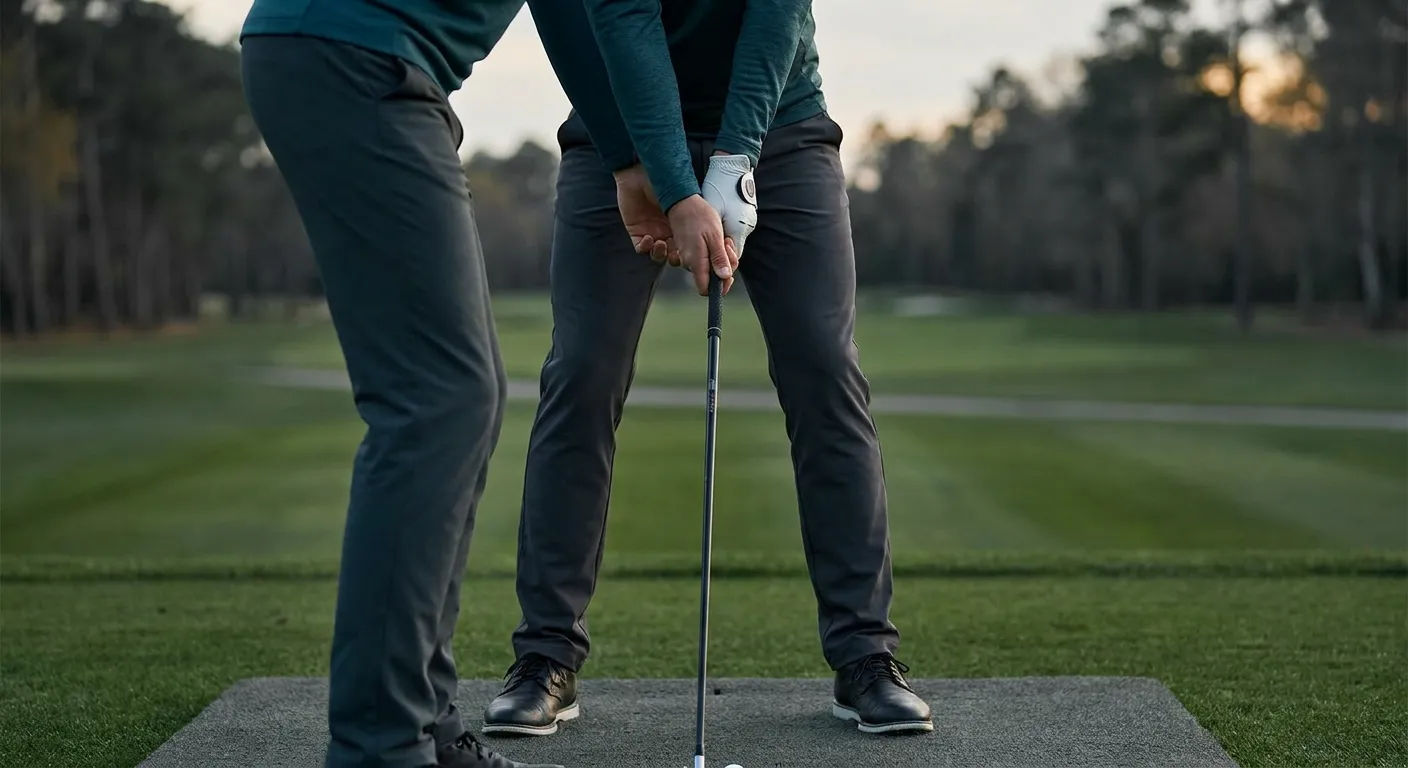
Golf participation is soaring, with 48.1 million Americans engaging in the sport in 2025, a 50% increase over the last decade. This surge includes a significant influx of new players. For every golfer, whether a seasoned veteran or a fresh face on the course, mastering the foundational elements is crucial. The journey to lower scores and more enjoyable rounds begins long before you swing, with the perfect golf grip and stance. These two elements are the bedrock of your swing, dictating control, power, and consistency. Without a solid foundation, even the most advanced equipment – like the new 10K MOI drivers emphasizing forgiveness – can’t compensate for fundamental flaws. Therefore, understanding these basics is paramount for improvement.
The Foundation: Why Your Grip Matters
Your grip is the only direct connection you have with the golf club. A proper grip allows for optimal clubface control and swing path, leading to more consistent and accurate shots. There are three primary types of grips. Each offers distinct advantages depending on a golfer’s hand size and preference.
- The Overlapping (Vardon) Grip: Popular among many professionals, this grip involves overlapping the pinky finger of your trailing hand (right hand for right-handed golfers) over the index finger of your lead hand. It promotes a unified connection between your hands, consequently enhancing control.
- The Interlocking Grip: Often favored by golfers with smaller hands or those seeking a very secure connection, this grip involves interlocking the pinky of your trailing hand with the index finger of your lead hand. It creates a strong, singular unit, which can be beneficial for stability.
- The Ten-Finger (Baseball) Grip: Common among beginners or those seeking maximum power, all ten fingers are on the club without overlapping or interlocking. While offering a sense of strength, it can sometimes lead to less unity between the hands. However, it can be a good starting point for new players.
Regardless of the style you choose, the key is a neutral grip. Ensure the club runs diagonally across the palm of your lead hand, and your lead thumb rests comfortably on top. For your trailing hand, the lifeline of your palm should cover your lead thumb. The pressure should be firm but relaxed, like holding a tube of toothpaste without squeezing any out. A grip that’s too tight restricts wrist hinge and arm swing, while one too loose can lead to loss of control. Therefore, finding the right balance is essential. Many golfers also find that cushioned golf grips for better comfort and feel can significantly improve their connection to the club.
Building Your Base: Mastering the Stance
Once your hands are set with the correct grip, your stance provides the stable platform from which your swing originates. A correct stance ensures balance, proper alignment, and the ability to generate power through efficient body rotation. Consequently, it directly impacts the quality of your shots.
Foot Placement and Width
For most full swings, your feet should be roughly shoulder-width apart. This provides a stable base without restricting your turn. For shorter shots like wedges, a narrower stance is appropriate. Your lead foot can be flared slightly open towards the target, while your trailing foot remains perpendicular to the target line, aiding hip rotation. Moreover, this setup helps facilitate a full and free swing. It’s important to adjust your foot placement based on the club you are using. For example, a driver typically requires a slightly wider stance than an iron to accommodate the longer shaft and generate more power.
Posture and Athletic Bend
Stand tall, then bend from your hips, not your waist. Your back should remain relatively straight, not rounded. Allow your knees to flex slightly, creating an athletic posture. Your arms should hang naturally from your shoulders, with a slight bend at the elbows. This athletic posture is crucial for a fluid swing. It allows for proper weight distribution and the ability to rotate effectively. Furthermore, maintaining this posture throughout the swing prevents unnecessary tension. Many golfers find that improving their swing tempo consistency through better training also helps with maintaining correct posture.
Ball Position
Ball position varies depending on the club you’re using. For a driver, the ball should be off the heel of your lead foot. For irons, it should be closer to the center of your stance, gradually moving forward as the clubs get longer. With wedges and shorter irons, the ball is typically positioned closer to the center or slightly behind it. This adjustment ensures optimal contact and trajectory for each club. Incorrect ball position can lead to slices, hooks, or thin/fat shots, therefore it’s a critical element to master. Experimenting with different ball positions is often part of the learning process to find what works best for your swing.
Common Grip and Stance Mistakes to Avoid
Even seasoned golfers can fall into bad habits. Being aware of common pitfalls can help you maintain your perfect golf grip and stance. Regularly checking these fundamentals can prevent long-term issues.
Overly Tight Grip
Squeezing the club too hard is a very common mistake. A death grip restricts wrist hinge, reduces clubhead speed, and can cause tension in your arms and shoulders. This often leads to a loss of feel and control. Instead, aim for a grip pressure that is firm but relaxed. Imagine holding a small bird – you want to hold it securely but without harming it. This relaxed grip allows for a more fluid and powerful swing. Furthermore, it helps prevent fatigue during your round.
Incorrect Alignment
Many golfers unintentionally aim left or right of their target, a phenomenon known as aiming bias. This often happens because their body alignment doesn’t match their target line. To check your alignment, pick an intermediate target a few feet in front of your ball that is on your target line. Align your clubface to this intermediate target first, then align your feet, hips, and shoulders parallel to that line. This method helps ensure your body is correctly aligned to your intended target. Consequently, it significantly improves shot accuracy. Consistency in alignment is key for achieving the perfect golf grip and stance.
Poor Posture
Rounding your back or standing too upright can severely impact your balance and ability to rotate. A rounded back restricts your shoulder turn, while standing too upright can make it difficult to maintain your spine angle throughout the swing. Maintain that athletic bend from your hips, keeping your back straight. This allows for a full, uninhibited turn and helps you stay balanced. Regularly practicing your posture in front of a mirror can be beneficial. In addition, consider seeking virtual golf coaching to get personalized feedback on your posture and overall swing mechanics.
Lack of Unity Between Hands
If your hands aren’t working together, you’ll struggle with clubface control. The grip types (overlapping, interlocking) are designed to promote this unity. Ensure there are no gaps between your hands, and they feel like a single unit on the club. This cohesive connection ensures that both hands are communicating effectively with the club, leading to better control and more consistent strikes. Furthermore, a unified grip prevents one hand from dominating the other, which can cause unwanted slices or hooks.
Advanced Tips for Refining Your Grip and Stance
Once you’ve mastered the basics of the perfect golf grip and stance, you can explore subtle refinements to further enhance your performance. These advanced tips can provide an extra edge.
Grip Pressure Awareness
While a relaxed grip is essential, varying your grip pressure slightly can be advantageous for different shots. For delicate chip shots, a lighter grip can enhance feel and touch. For full swings, maintaining consistent, firm-but-relaxed pressure is crucial. Practice gripping the club with different pressure levels to understand how it affects your control and feel. This nuanced approach to grip pressure can lead to greater versatility in your short game. Furthermore, it can help you adapt to varying course conditions.
Weight Distribution in Stance
For most full swings, your weight should be evenly distributed between the balls of your feet. However, for specific shots, minor adjustments can be beneficial. For example, on a downhill lie, shifting slightly more weight to your lead foot can help you make solid contact. Conversely, on an uphill lie, more weight on your trailing foot might be appropriate. Understanding and practicing these subtle shifts in weight distribution can significantly improve your ability to hit consistent shots from various lies. This attention to detail is a hallmark of advanced play.
Pre-Shot Routine Consistency
A consistent pre-shot routine is vital for ingraining the perfect golf grip and stance. This routine should include steps to check your grip, align your body, and set your posture. Performing the same actions before every shot helps to build muscle memory and ensures you are consistently setting up correctly. This routine also helps to calm your nerves and focus on the task at hand. Developing a reliable pre-shot routine is a habit shared by many professional golfers. Consequently, it leads to more consistent results under pressure.
The Role of Equipment in Your Grip and Stance
While technique is paramount, your equipment also plays a role in facilitating a proper grip and stance. Choosing the right gear can make a significant difference. For instance, anti-slip golf grips for comfort and stability can ensure your hands don’t move during the swing.
Grip Size
The size of your golf grips is more important than many golfers realize. Grips that are too small can cause you to grip the club too tightly, leading to tension and a tendency to hook the ball. Conversely, grips that are too large can make it difficult to properly hinge your wrists and release the club, often resulting in slices. Professional club fitters can help you determine the optimal grip size for your hands, ensuring maximum comfort and control. This customization is a crucial aspect of optimizing your connection to the club. Furthermore, club customization benefits for better golf performance extend beyond just grip size to other aspects of your clubs.
Club Length and Lie Angle
The length and lie angle of your clubs can also impact your stance and posture. Clubs that are too long or too upright can force you to stand too far from the ball or alter your spine angle, making it difficult to maintain a consistent setup. Conversely, clubs that are too short or too flat can cause you to stoop over excessively. Getting properly fitted for your clubs ensures that they are tailored to your body type and swing, allowing you to maintain the ideal posture and stance without strain. This personalized approach to equipment helps reinforce the perfect golf grip and stance.
Practice Drills for Reinforcing Your Fundamentals
Consistent practice is essential for making your perfect golf grip and stance second nature. Incorporate these drills into your routine.
The Mirror Drill
Practice your grip and stance in front of a full-length mirror. This allows you to visually check your posture, alignment, and hand position. Pay attention to your spine angle, knee flex, and arm hang. This immediate visual feedback is invaluable for making corrections and reinforcing good habits. Perform this drill regularly to ensure your setup remains consistent. It’s a simple yet effective way to refine your fundamentals.
Alignment Stick Drill
Use alignment sticks to ensure accurate foot and clubface alignment. Place one stick on the ground pointing at your target, and another parallel to it, just inside your feet. This provides clear visual guides for your setup. Practice aligning yourself to these sticks before every shot. This drill helps to eliminate aiming biases and ensures you are consistently setting up square to your target. Consequently, it significantly improves shot direction. Consistent use of alignment sticks helps solidify your understanding of the perfect golf grip and stance.
One-Handed Grip Drills
Practice hitting very short shots (chips or pitches) with only your lead hand, then with only your trailing hand. This drill enhances the feel and sensitivity in each hand, helping you understand their individual roles in controlling the clubface. It also highlights any weaknesses in your grip pressure or hand unity. This focused practice improves your overall control and touch around the greens. Furthermore, it helps develop a better connection with the club.
Balance Drills
Practice your stance with your eyes closed for a few seconds before opening them and taking your swing. This drill helps to develop a stronger sense of balance and body awareness, which are crucial for maintaining a stable base throughout the swing. Another effective balance drill is to stand on one foot for short periods, strengthening your core and leg muscles. These drills contribute to a more stable and powerful swing. Achieving the perfect golf grip and stance also involves excellent balance.
The Long-Term Benefits of a Solid Foundation
Investing time in mastering your golf grip and stance offers profound long-term benefits for your game. It’s not just about hitting better shots today; it’s about building a sustainable foundation for continuous improvement.
Enhanced Consistency
When your grip and stance are consistently correct, you create a repeatable setup for every shot. This consistency in your foundation directly translates to more consistent ball striking, trajectory, and distance control. You’ll find yourself hitting more fairways and greens, leading to lower scores. This predictability is a hallmark of skilled golfers. Consequently, it makes the game more enjoyable and less frustrating.
Increased Power and Control
A proper golf grip and stance allow for an efficient transfer of power from your body to the club. Your stable base and athletic posture enable a full body rotation, generating maximum clubhead speed without sacrificing control. This means you’ll hit the ball further and with greater accuracy. The synergy between a good grip and stance unlocks your full potential. Moreover, it reduces the effort needed to achieve powerful shots. Ultimately, the perfect golf grip and stance leads to improved performance.
Reduced Risk of Injury
An incorrect grip or stance can put undue stress on your wrists, elbows, shoulders, and back. By adopting proper fundamentals, you distribute the forces of the swing more evenly throughout your body, reducing the risk of common golf-related injuries. This protective aspect ensures you can continue to enjoy the game for many years to come. Furthermore, a sound technique promotes longevity in your golfing career. Proper form is crucial for both performance and health.
Greater Confidence on the Course
When you know your fundamentals are solid, you step onto the tee with greater confidence. This mental edge can significantly impact your performance, especially under pressure. You’ll trust your swing more, allowing you to focus on strategy rather than mechanics. This psychological benefit is often underestimated but is incredibly powerful. Confidence stemming from a reliable perfect golf grip and stance is invaluable.
Mastering the perfect golf grip and stance is not merely a suggestion; it’s a fundamental requirement for any golfer aspiring to improve. These foundational elements directly influence every aspect of your swing, from clubface control to power generation and consistency. By understanding the different grip types, perfecting your foot placement and posture, and diligently avoiding common mistakes, you lay the groundwork for a more enjoyable and successful golfing journey. Regularly incorporate practice drills and consider the role of proper equipment fitting to reinforce these crucial skills. Remember, the path to lower scores and greater satisfaction on the course begins with a solid foundation. Continue to refine your technique, and you’ll undoubtedly see remarkable improvements in your game. For further reading, consider how golf stance fundamentals contribute to a powerful swing, or explore insights into the golf grip from GolfWRX.
FAQ
What are the main types of golf grips?
The three main types of golf grips are the Overlapping (Vardon) grip, the Interlocking grip, and the Ten-Finger (Baseball) grip. Each offers a different way to connect your hands to the club, influencing control and feel. Selecting the right grip depends on personal preference and hand size.
How wide should my feet be for a golf stance?
For most full swings, your feet should be approximately shoulder-width apart. This provides a stable base for rotation and power. For shorter shots, a narrower stance is generally more appropriate to enhance feel and control.
Why is proper golf posture important?
Proper golf posture, characterized by bending from the hips with a straight back and slightly flexed knees, is crucial for balance, efficient body rotation, and generating power. It helps maintain your spine angle throughout the swing and reduces strain.
How does ball position affect my golf shots?
Ball position is critical and varies by club. For a driver, the ball is typically off the lead heel, while for irons, it’s closer to the center of your stance. Correct ball position ensures optimal contact, trajectory, and distance for each club.
What are some common mistakes in golf setup to avoid?
Common mistakes include gripping the club too tightly, incorrect alignment of the body to the target, poor posture (like a rounded back), and a lack of unity between the hands on the club. Avoiding these helps ensure a consistent and effective swing.