
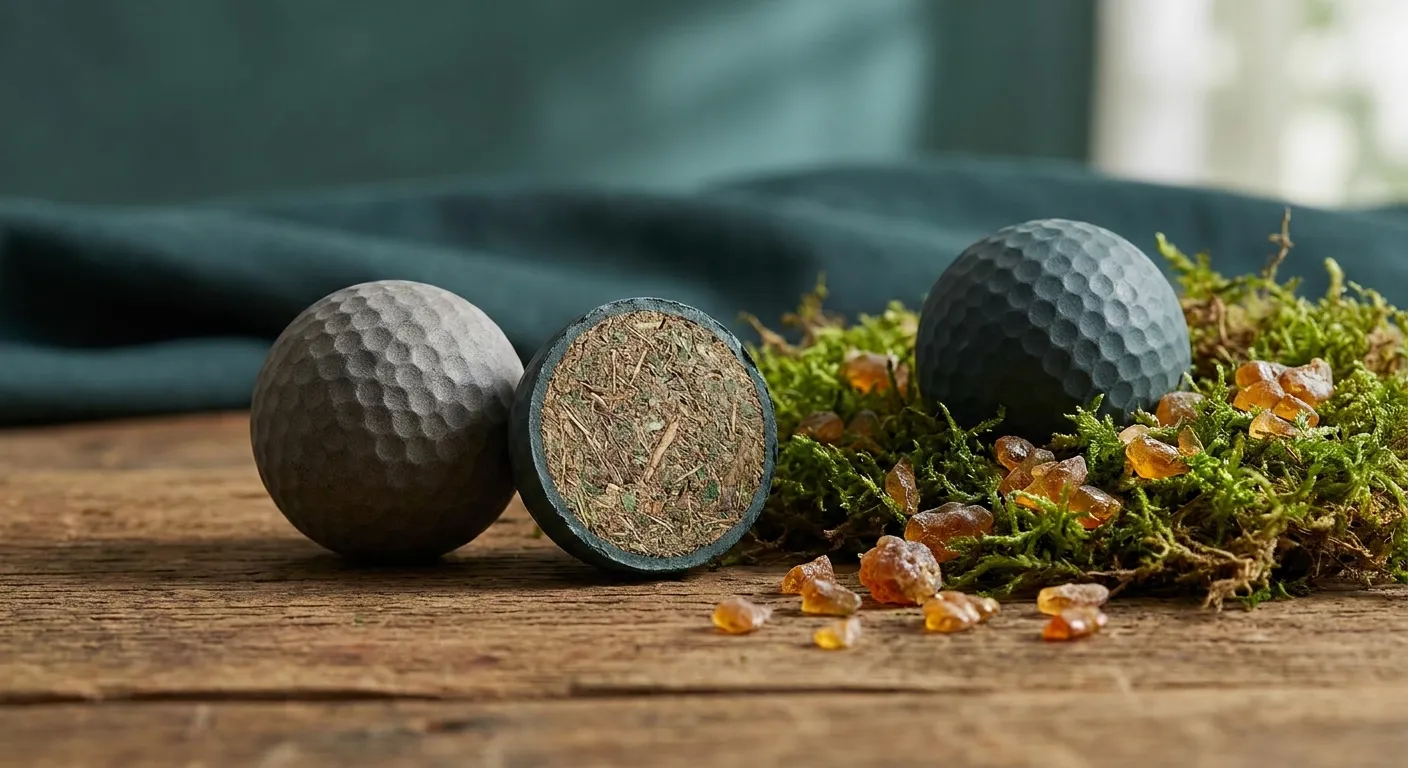
Every year, millions of golf balls are lost on courses and in waterways, posing an environmental challenge. But what if your pursuit of the perfect game could also contribute to a healthier planet? The answer lies in the exciting emergence of sustainable golf ball options. As the golf industry increasingly prioritizes environmental stewardship, innovators are developing eco-friendly alternatives that perform without compromising the planet. At Golf Place, we’re tracking these advancements, ensuring your Golf, Your Way can also be a greener way.
The global golf equipment market is booming. However, with growth comes responsibility. Golfers are more environmentally aware than ever, seeking products that align with their values. The move towards sustainability in golf balls addresses not only the issue of lost balls but also the manufacturing process. Furthermore, it offers solutions that reduce waste and reliance on non-renewable resources. This is a crucial step towards a more holistic and responsible approach to the sport.
The Drive for Sustainability: What Makes a Golf Ball Eco-Friendly?
Developing sustainable golf balls presents a unique set of engineering challenges. A golf ball must withstand immense impact, travel significant distances, and offer precise control. Moreover, it needs to be durable enough for multiple rounds. Achieving this with environmentally friendly materials and processes requires cutting-edge innovation.
Innovations in Sustainable Golf Ball Options
1. Recyclable Golf Balls: New concepts are emerging that allow golf balls to be recycled after their lifespan. This involves using materials that can be broken down and re-purposed. Consequently, it diverts them from landfills and reduces waste. Imagine a closed-loop system where old balls contribute to new ones.
2. Biodegradable Cores and Covers: Some manufacturers are experimenting with biodegradable polymers and natural compounds for the internal layers and outer covers of golf balls. These materials are designed to break down naturally over time when exposed to the elements. Therefore, they minimize their long-term environmental footprint if lost.
3. Repurposed and Upcycled Materials: Innovation also includes utilizing recycled plastics or other repurposed materials in the manufacturing process. This reduces the demand for virgin resources and gives new life to materials that would otherwise be discarded.
4. Reduced Chemical Use: Efforts are being made to minimize the use of harsh chemicals in the production of golf balls. Specifically, manufacturers are opting for more environmentally benign alternatives. This benefits both the manufacturing process and the end product.
The Performance Question: Do Sustainable Balls Measure Up?
A common concern among golfers is whether sustainable golf ball options can match the performance of traditional balls. The good news is that advancements in material science are closing this gap rapidly. While some early prototypes might have shown slight differences, modern eco-friendly golf balls are engineered for competitive play. Furthermore, they are designed to meet the rigorous demands of serious golfers.
Many brands are now producing environmentally conscious golf balls that offer comparable distance, spin, and feel. For example, some models incorporate advanced core technologies that deliver excellent energy transfer, similar to premium conventional balls. You can learn more about how different golf balls perform by understanding Golf Ball Compression and Energy Transfer Explained on our site. This ensures that choosing a greener option does not mean sacrificing your game.
Leading the Charge: Brands Offering Eco-Friendly Golf Balls
Several forward-thinking companies are at the forefront of developing sustainable golf ball options. These brands are investing heavily in research and development to create products that meet both environmental and performance standards. Some well-known names and emerging innovators are making significant strides in this area.
For instance, certain companies focus on creating golf balls from recycled materials. Other brands prioritize biodegradable components. Meanwhile, some are exploring entirely new manufacturing processes to reduce their carbon footprint. As a result, the market for environmentally friendly golf accessories is growing, providing more choices for conscientious golfers.
Beyond the Ball: A Holistic Approach to Green Golf
The movement towards sustainable golf ball options is part of a larger trend within the golf industry. Courses themselves are adopting greener practices, from water conservation to natural pest management. Golf apparel is also becoming more eco-friendly, with brands offering Moisture-Wicking Golf Shirts for All-Day Comfort made from recycled fabrics. This holistic approach ensures that every aspect of the sport contributes to environmental protection.
Consider, for example, the impact of course maintenance. Sustainable practices extend to using Durable Maintenance Tools for Long-Term Reliability that are energy-efficient. Furthermore, adhering to Maintenance Equipment Standards for Safer Operations often includes environmental considerations. These efforts collectively reduce the overall ecological footprint of golf.
The Impact of Lost Golf Balls and Why Sustainability Matters
An estimated 300 million golf balls are lost annually in the United States alone. These balls, primarily made from non-biodegradable plastics and synthetic rubber, can take hundreds of years to decompose. Consequently, they contribute to plastic pollution in landfills, oceans, and natural habitats. The environmental cost is substantial.
Choosing sustainable golf ball options directly addresses this problem. When a biodegradable ball is lost, it breaks down much faster, minimizing its impact on ecosystems. Similarly, recyclable balls offer an end-of-life solution that conventional balls lack. Therefore, every golfer who opts for an eco-friendly ball makes a tangible difference.
What to Look For When Choosing Sustainable Golf Balls
When you’re ready to make the switch, consider a few key factors. First, research the materials used. Are they recycled, biodegradable, or both? Secondly, check for certifications or endorsements from environmental organizations. These can provide assurance of a product’s green credentials. Finally, read reviews from other golfers regarding performance. This will help you find sustainable golf ball options that meet your game’s needs.
Many brands transparently share their sustainability efforts. Look for information on their websites or product packaging. Some companies even detail their manufacturing processes, highlighting efforts to reduce water usage or energy consumption. By being an informed consumer, you can support brands committed to a greener future for golf.
The Future is Green: Embracing Eco-Conscious Golf
The trend towards environmentally friendly golf is not just a passing fad; it’s a fundamental shift in how the sport operates. As technology advances, we can expect even more innovative sustainable golf ball options to emerge. These will offer even better performance and lower environmental impact. This evolution benefits everyone involved in golf, from manufacturers to players and, most importantly, the planet.
The golf community has a significant role to play in this transition. By demanding and adopting eco-friendly products, golfers can drive further innovation and broader acceptance of sustainable practices. This collective effort ensures that the joy of golf can be preserved for future generations, played on healthy courses with minimal environmental impact. The commitment to Swing Tempo Consistency Through Better Training and Distance Control Practice for More Consistent Golf can now extend to making environmentally conscious equipment choices.
The Broader Environmental Movement in Sports
Golf is not alone in its push for sustainability. Many sports industries are recognizing their environmental responsibilities. From eco-friendly stadium designs to sustainable event management, the sporting world is evolving. This broader movement provides valuable insights and encourages cross-industry collaboration. For example, organizations like the R&A are actively promoting sustainability initiatives within golf, providing guidance and resources for courses and manufacturers alike.
This collective shift demonstrates a growing awareness. Furthermore, it highlights a commitment to minimizing the ecological footprint of recreational activities. As a result, golfers can feel good knowing their sport is part of a larger global effort. The move towards sustainable golf ball options is a testament to this progress.
The Role of Golf Place in Promoting Sustainability
At Golf Place, we are dedicated to supporting golfers in every aspect of their journey. This includes providing access to the latest information on sustainable products and practices. We believe that informed choices lead to better outcomes, both on and off the course. Therefore, we will continue to highlight advancements in eco-friendly golf equipment.
Our commitment extends to offering a curated selection of products that align with environmental values. We strive to be a resource where golfers can find reliable reviews, training tips, and news, all while promoting responsible consumption. We encourage our community to explore these new choices and consider the positive impact they can have. For example, the USGA also provides valuable insights into sustainability in golf.
Conclusion: Teeing Up a Greener Future
The advent of sustainable golf ball options represents a significant stride towards a more environmentally responsible sport. These innovations allow golfers to enjoy their passion while minimizing their impact on the planet. As technology continues to evolve, we anticipate even greater advancements in eco-friendly golf equipment.
By choosing sustainable alternatives, golfers are not just playing a round; they are contributing to a healthier environment and setting a precedent for future generations. At Golf Place, we are excited to be part of this green revolution, helping you find the best equipment for your game and for the planet. Embrace the future of golf—play green, play well.
FAQ
What are the primary benefits of using environmentally friendly golf balls?
The main benefits include reducing plastic pollution in landfills and waterways, minimizing the use of non-renewable resources, and lessening the chemical impact from manufacturing processes. These balls are designed to break down more quickly or be recycled.
Do eco-conscious golf balls perform as well as traditional ones?
Modern environmentally friendly golf balls are engineered to offer comparable performance in terms of distance, spin, and feel. Advancements in material science have significantly closed the performance gap, allowing golfers to play competitively with greener options.
How are these greener golf balls made?
They are made using various innovative methods, including biodegradable polymers for cores and covers, recycled plastics, and other repurposed materials. Manufacturers also focus on reducing harsh chemical use and optimizing production processes for lower environmental impact.
Where can I find these types of golf balls?
Many major golf equipment brands and specialized eco-friendly companies are now offering these products. You can often find them at golf pro shops, sporting goods stores, and online retailers, including Golf Place.
What should I consider when purchasing golf balls that are better for the environment?
Look for information on the materials used (recycled, biodegradable), any environmental certifications, and reviews regarding their performance characteristics like distance and feel. Choosing a reputable brand committed to sustainability is also important.