
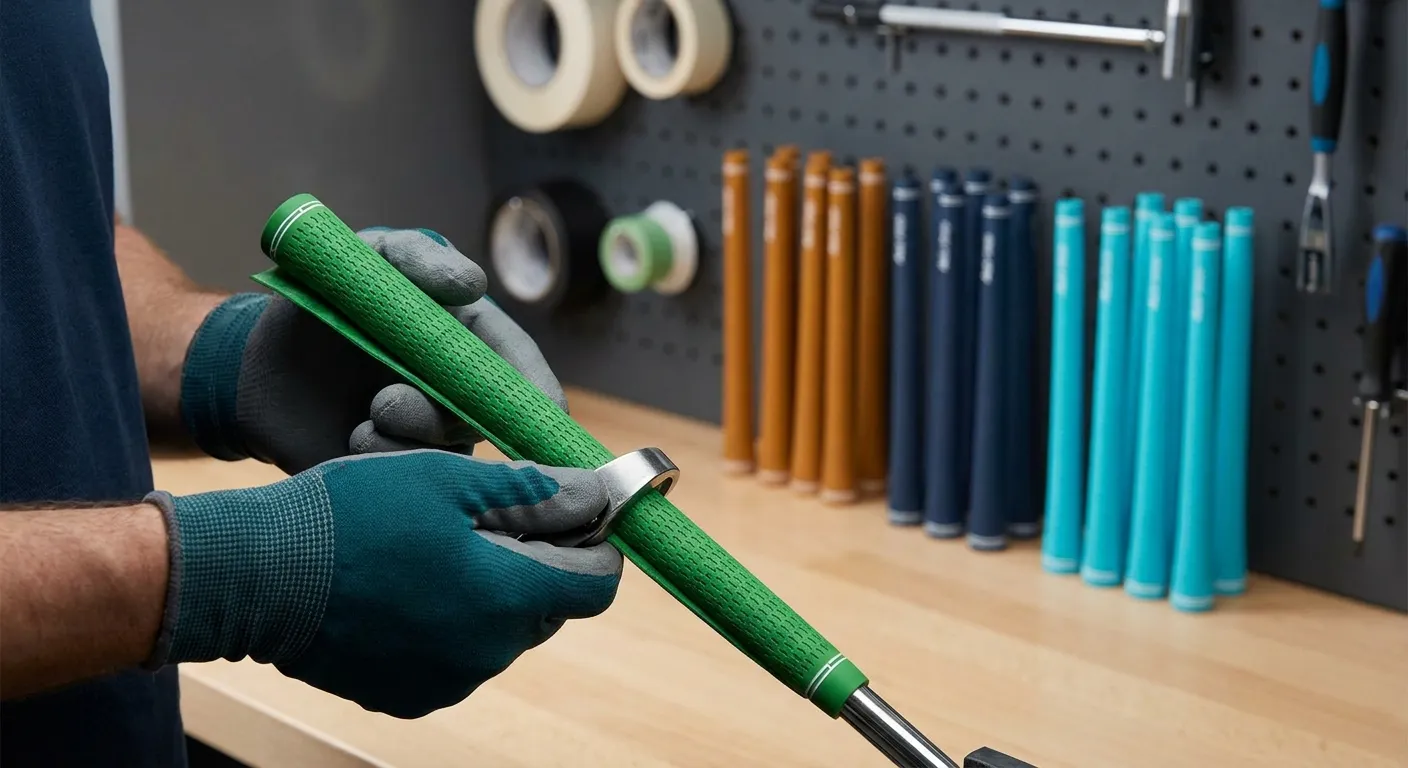
The golf swing is a complex chain of movements, but it all starts with your hands and the connection they have to the club. Your grip is literally your only point of contact, making it a critical, yet often overlooked, component of your game. For too long, golfers have settled for off-the-rack options, but the secret to consistency and confidence often lies in customizing golf grips feel. At Golf Place, we believe that optimizing every aspect of your equipment is key to playing your golf, your way.
Just as you wouldn’t wear ill-fitting shoes for a marathon, an improperly sized or textured grip can hinder your performance and even lead to bad habits. The global golf equipment market is booming, driven by customization and performance. Modern golfers understand that personalization isn’t a luxury; it’s a pathway to better scores. Let’s delve into how a tailored grip can transform your game.
Why Customizing Grips Matters for Your Game
Your grip influences everything from your clubhead speed and face angle at impact to your ability to control the ball. A grip that feels right in your hands allows for a lighter, more relaxed hold, reducing tension and promoting a fluid swing. Conversely, a grip that’s too small might encourage over-gripping and an active wrist action, while one that’s too large can restrict wrist movement. Consequently, addressing these issues is vital for improving your performance.
The Elements of a Perfect Golf Grip Feel
1. Size: This is perhaps the most crucial factor. Grip size should match your hand size. A common test is to see if your middle two fingers can lightly touch your palm when gripping the club. Too thin, and you might rotate the clubface too much; too thick, and you’ll struggle to properly release the club. Therefore, precise measurement is essential.
2. Material: Grips come in various materials, each offering a different feel. Rubber is classic and durable. Cord grips (rubber with interwoven fibers) provide extra traction, especially in wet conditions. Newer synthetic compounds offer softer feels or hybrid textures for specific areas of the hand. For example, some golfers prefer a softer material for cushioned golf grips for better comfort and feel.
3. Texture/Pattern: Beyond material, the surface pattern significantly impacts feel and slip resistance. Some golfers prefer a smoother feel for maximum sensitivity, while others require aggressive patterns for a secure hold. Non-taper style grips, like the MCC Plus 4, are increasingly popular for promoting lighter grip pressure in the lower hand. Furthermore, anti-slip golf grips for comfort and stability are often sought after.
4. Weight: While less commonly customized, grip weight can subtly affect the swing weight of your club. Lighter grips can make a club feel heavier, and vice versa. This is typically a fine-tuning aspect for advanced players but worth noting. Ultimately, every detail contributes to the overall balance.
The Customization Process: Finding Your Perfect Golf Grip Feel
Customizing golf grips feel is a straightforward process best done with a professional fitter. They can assess your hand size, glove size, and even your swing tendencies to recommend the ideal grip. Importantly, this personalized approach ensures optimal results.
Professional Measurement and Assessment
A professional fitter will begin by measuring your hand dimensions, including finger length and palm width. They will also observe your current grip style and any tendencies you might have, such as hooking or slicing. This comprehensive assessment helps them understand your unique needs. Moreover, they consider your typical playing conditions, such as humidity or rain, which can influence material recommendations.
According to Golf Monthly, a proper grip size is fundamental for controlling the clubface throughout the swing, impacting both distance and accuracy. A fitter can also advise on specific brands and models known for their durability and consistent performance. This tailored guidance helps golfers avoid common pitfalls associated with ill-fitting equipment. In fact, many players report significant improvements after just one fitting session.
Considering Your Playing Style and Preferences
Your playing style plays a crucial role in determining the ideal grip. Do you prefer a firm or soft feel? Do you play in wet conditions frequently, requiring extra traction? These preferences are important. For instance, a player who struggles with a too-strong grip might benefit from a slightly thicker grip in the lower hand to encourage a more neutral position. Conversely, a player with smaller hands might need a thinner grip to ensure proper finger wrap. Consequently, understanding these nuances is key to effective club customization benefits for better golf performance.
Furthermore, some golfers have specific physical considerations, such as arthritis, which may necessitate softer, more shock-absorbing materials. A professional fitter will account for these individual factors, ensuring the chosen grip provides both comfort and performance. They might even recommend trying different grip profiles during a practice session to see what truly feels best. Therefore, the fitting process is highly collaborative.
The Benefits of Customizing Golf Grips Feel
The advantages of a properly fitted grip extend beyond just comfort. They directly impact your game. Here are some key benefits:
- Improved Control and Consistency: A grip that fits your hand perfectly allows for better control of the clubface, leading to more consistent shots. You’ll find it easier to repeat your swing motion.
- Reduced Tension: When your grip is the right size, you don’t have to squeeze the club as hard, reducing tension in your hands, wrists, and forearms. This promotes a smoother, more powerful swing.
- Enhanced Feel and Feedback: Different materials and textures provide varying levels of feedback. A grip that feels right enhances your connection to the club, allowing you to better sense the clubhead’s position throughout the swing. This is crucial for distance control practice for more consistent golf.
- Prevention of Injuries: An ill-fitting grip can lead to blisters, calluses, and even more serious issues like golfer’s elbow due to excessive gripping pressure. Customization helps mitigate these risks.
- Increased Confidence: Knowing your equipment is perfectly suited to you instills confidence, allowing you to focus on your shot rather than worrying about your grip.
Ultimately, investing in customizing golf grips feel is an investment in your overall game. It’s a small change that can yield significant improvements.
Understanding Grip Materials and Their Impact
The material of your golf grip is a significant factor in how it feels and performs. Each material offers distinct characteristics that cater to different preferences and playing conditions. Therefore, making an informed choice is essential.
Rubber Grips: The Classic Choice
Traditional rubber grips are the most common and offer a balanced combination of feel, durability, and affordability. They provide a consistent tackiness and are available in various firmness levels. However, they can become slippery in wet conditions. Brands like Golf Pride and Lamkin offer a wide range of rubber options, from firm models that provide maximum feedback to softer versions that absorb more vibration. For example, the Golf Pride Tour Velvet remains a popular choice for its classic feel and reliable performance. Consequently, many golfers start with rubber grips.
Cord Grips: For All-Weather Performance
Cord grips incorporate cotton or synthetic fibers into the rubber compound. This construction provides enhanced traction, especially in humid or wet conditions, making them a favorite among players who frequently play in diverse weather. The fibers wick away moisture, ensuring a secure hold. However, cord grips can feel firmer and more abrasive to some golfers. Popular examples include the Golf Pride MCC (Multi-Compound Cord) and the Lamkin Crossline Cord. In fact, many tour professionals opt for cord grips for their superior control. They are excellent for those needing anti-slip golf grips for comfort and stability.
Synthetic and Hybrid Grips: Modern Innovations
The market has seen an increase in synthetic and hybrid grip options. These often combine different materials or textures in various sections of the grip to optimize feel and performance. For instance, some grips feature a softer, more responsive material in the upper hand for comfort and a firmer, corded material in the lower hand for control. These designs aim to provide the best of both worlds. SuperStroke, for example, is known for its oversized putter grips made from advanced synthetic materials that aim to reduce wrist action. Meanwhile, Winn grips are renowned for their ultra-soft, tacky polymer compounds, which provide exceptional comfort and shock absorption. Therefore, exploring these modern options can be very beneficial.
The Importance of Regular Grip Maintenance and Replacement
Even the perfect grip won’t last forever. Regular maintenance and timely replacement are crucial for maintaining optimal performance. Over time, grips wear down, lose their tackiness, and harden, irrespective of the material. This degradation can severely impact your ability to hold the club securely and comfortably. Consequently, golfers should pay attention to their grips’ condition.
Dirt, oils from your hands, and UV exposure all contribute to grip degradation. Cleaning your grips regularly with mild soap and water can help restore some of their original tackiness and extend their lifespan. However, even with diligent cleaning, grips will eventually need replacing. The general recommendation is to replace your grips every 40 rounds or once a year, whichever comes first. Players who practice frequently or play in hot, humid conditions might need to replace them more often. This proactive approach ensures your equipment remains in top condition, supporting consistent swing tempo consistency through better training.
Replacing worn grips is one of the most cost-effective ways to improve your game. A fresh set of grips can feel like getting new clubs, instantly restoring confidence and control. At Golf Place, we offer a wide selection of replacement grips and professional installation services to ensure your clubs are always ready for the course. We understand that maintaining your equipment is just as important as the initial customization. Therefore, we emphasize the value of regular checks.
How Grip Size Affects Your Swing and Shot Shape
Understanding how grip size impacts your swing is fundamental to customizing golf grips feel effectively. The subtle differences in grip diameter can have profound effects on how you control the club and, consequently, the flight of your golf ball. Indeed, this aspect is often underestimated by amateur golfers.
Impact on Clubface Control
A grip that is too thin can cause a golfer to over-grip the club, leading to excessive wrist movement and an overly active hand release. This often results in the clubface closing too quickly at impact, causing hooks for right-handed players. Conversely, a grip that is too thick can restrict proper wrist hinge and release, making it difficult to square the clubface. This can lead to pushes or slices, as the clubface remains open at impact. Therefore, achieving the correct grip size is critical for maintaining a square clubface.
Influence on Grip Pressure
The right grip size promotes a lighter, more relaxed grip pressure. When a grip fits comfortably in your hands, you don’t feel the need to squeeze it tightly. Reduced grip pressure leads to less tension in the arms and shoulders, allowing for a more fluid and powerful swing. Excessive grip pressure, often a symptom of an ill-fitting grip, inhibits the natural flow of the swing and can rob you of clubhead speed. This also relates to how golf ball compression and energy transfer explained can be affected by swing mechanics.
Many professional golfers emphasize the importance of light grip pressure. They often describe holding the club like a tube of toothpaste that you don’t want to squeeze out. A correctly sized grip facilitates this feeling, encouraging better tempo and rhythm in your swing. This is a subtle yet powerful advantage that can be gained from proper grip customization. Consequently, golfers often see immediate improvements in their swing fluidity.
Enhancing Feel and Feedback
The relationship between your hands and the club is primarily mediated by the grip. A grip that is too large or too small can diminish your feel for the clubhead, making it harder to sense its position throughout the swing. This lack of feedback can hinder your ability to make subtle adjustments during the backswing and downswing. A perfectly sized grip, however, enhances this connection, allowing for a more intuitive understanding of the club’s movement. This improved tactile feedback is invaluable for developing a consistent and repeatable swing. For instance, players often report a better sense of clubhead speed with appropriate grip sizing. This also plays into the overall maintenance equipment standards for safer operations by ensuring all components are optimized.
The Role of Grip Texture and Pattern in Performance
Beyond size and material, the texture and pattern of your golf grip significantly contribute to the overall experience of customizing golf grips feel. These surface characteristics are designed to provide specific benefits, ranging from enhanced traction to improved comfort. Consequently, choosing the right texture is as important as selecting the correct size.
Traction and Slip Resistance
The primary function of grip texture is to provide traction, preventing the club from slipping in your hands during the swing. Different patterns offer varying levels of grip. Aggressive patterns with deep channels or raised elements are excellent for maximum slip resistance, particularly in wet or humid conditions. These are often preferred by players who generate high clubhead speeds or have sweaty hands. Conversely, smoother textures offer a more delicate feel, which some golfers prefer for maximum sensitivity and feedback. The choice often comes down to a balance between security and feel. For example, some grips feature micro-textures that provide subtle grip without feeling overly abrasive. This is especially important for maintaining control during powerful swings.
Comfort and Vibration Dampening
The texture of a grip also influences comfort. Softer, less aggressive patterns can be more comfortable, especially for golfers with sensitive hands or those prone to blisters. Some grips incorporate specific damping technologies or softer materials under the surface texture to reduce vibration upon impact. This can be particularly beneficial for players who experience joint pain or play with clubs that transmit a lot of shock. The design of the texture can also help distribute pressure more evenly across the hand, further enhancing comfort. Therefore, considering comfort alongside traction is vital.
Promoting Consistent Hand Placement
Some grip designs incorporate specific patterns or markings that help golfers achieve consistent hand placement. For instance, some grips have alignment guides or varying textures in different sections to indicate where the hands should be positioned. This can be especially helpful for golfers who struggle with an inconsistent grip setup, which is often a precursor to swing faults. The ability to consistently place your hands in the same position on the grip contributes significantly to shot consistency. This is a subtle yet effective way to improve your pre-shot routine and overall swing mechanics. For more insights, refer to resources like the PGA of America for grip fundamentals and best practices. They often highlight how proper grip setup is foundational to a good swing.
Conclusion: Embrace the Power of a Personalized Grip
In conclusion, the journey of customizing golf grips feel is a vital step toward optimizing your golf game. Your grips are more than just a place to hold the club; they are a direct extension of your hands, influencing every aspect of your swing, from clubface control to overall comfort and confidence. By paying close attention to size, material, texture, and even weight, you can tailor your equipment to perfectly match your unique physiology and playing style.
Embrace the opportunity to work with a professional fitter, who can guide you through the nuanced choices available. Investing in the right grip, and maintaining it diligently, can lead to reduced tension, improved consistency, and a more enjoyable experience on the course. At Golf Place, we are committed to helping you discover the perfect connection between you and your clubs. Remember, a small adjustment to your grip can lead to a significant improvement in your scores and your overall love for the game. Ultimately, a personalized grip is a pathway to playing your best golf.
Frequently Asked Questions About Golf Grip Customization
How often should I replace my golf grips?
It is generally recommended to replace your golf grips every 40 rounds or once a year, whichever comes first. If you play frequently or in humid conditions, you might need to change them more often. Regular replacement ensures optimal tackiness and feel.
Can grip size really impact my shot shape?
Absolutely. A grip that is too thin can encourage an overactive hand release, potentially leading to hooks. Conversely, a grip that is too thick can restrict wrist movement, making it harder to square the clubface and potentially causing slices or pushes. Proper grip sizing is crucial for consistent clubface control.
What’s the difference between rubber and cord grips?
Rubber grips are classic, offering a balanced feel and durability. Cord grips incorporate fibers for enhanced traction, especially in wet conditions, but can feel firmer. The choice depends on your preference for feel, comfort, and playing conditions. Many golfers find that corded options provide superior anti-slip golf grips for comfort and stability.
Is it worth getting a professional fitting for my golf grips?
Yes, a professional fitting is highly recommended. A fitter can accurately measure your hands, assess your swing tendencies, and recommend the ideal grip size, material, and texture. This personalized approach ensures you get the best possible feel and performance from your clubs, enhancing your overall experience.
Besides size and material, what other factors should I consider when customizing my golf grip?
Beyond size and material, consider the grip’s texture or pattern, which affects slip resistance and comfort. Also, think about the grip’s weight, as it can subtly influence the club’s swing weight. Some grips also feature non-taper designs that promote lighter lower-hand pressure. All these elements contribute to the overall feel and performance.