
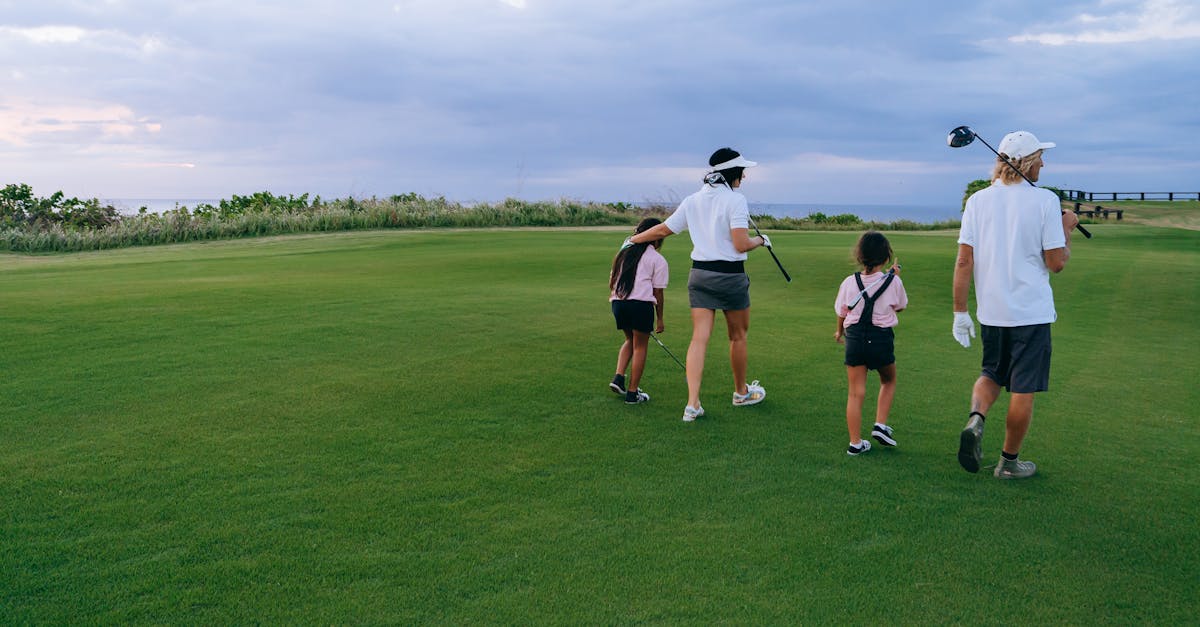
Is There a Best Age to Start Golf? Unlocking Your Child’s Potential
Ever wonder if there’s a magical moment when your child should first pick up a golf club? You’re certainly not alone! Many parents ask, “What’s the best age to start golf?” It’s a fantastic question, and honestly, the answer isn’t a simple number. Think of it less like a strict rule and more like a spectrum of opportunities, tailored to your unique little one. We’re going to dive deep into this, exploring the benefits, dispelling myths, and giving you practical advice to get your future Rory or Nelly started!
The Allure of Golf for Young Minds: Why Start Early?
Why even consider golf for kids? Well, it’s not just about hitting a little white ball. It’s about so much more, isn’t it? Golf offers a unique blend of physical activity and mental engagement that few other sports can match, making the discussion about the best age to start golf truly compelling.
More Than Just a Game: Life Skills on the Green
Believe it or not, the golf course is a fantastic classroom. Moreover, kids learn patience when they wait their turn, discipline when they practice, and integrity when they call penalties on themselves. Furthermore, they develop problem-solving skills as they navigate tricky lies and strategic thinking when planning their shots. These aren’t just golf skills; they’re life skills!
Building Bonds and Friendships
Golf is also a wonderfully social sport. Children often play in groups, naturally fostering communication and teamwork. You’ll find that playing golf together can really strengthen family bonds, creating cherished memories. Imagine those sunny afternoons spent together, sharing laughs and a little friendly competition!
A Lifelong Hobby Awaits
Unlike many high-impact sports, golf is something you can enjoy throughout your entire life. From childhood through retirement, it’s a game that evolves with you. So, when you introduce your child to golf, you’re not just offering them a pastime; you’re giving them a gift that keeps on giving. Is that not a wonderful thought?
When is the ‘Right’ Time? Debunking the Myths About the Best Age to Start Golf
Let’s tackle some common misconceptions, shall we? There’s a lot of chatter out there about the ideal moment, but much of it isn’t set in stone. Understanding the real factors will help you determine the best age to start golf for your child.
The “Too Young” Argument: Is There Such a Thing?
Many people worry about starting kids too young, perhaps fearing they won’t have the attention span or physical capability. However, with the right approach, even toddlers can enjoy golf in a very basic, playful way. Think of it as exposure rather than formal instruction. So, don’t write off those tiny tots just yet!
The “Missing Out” Fear: Starting Later is Okay!
Conversely, some parents feel pressure if their child isn’t swinging a club by age five. Let me assure you, golf is incredibly welcoming to late starters! Many professional golfers didn’t seriously pick up the sport until their pre-teens or even teens. Therefore, if your child expresses interest later, they haven’t missed their shot. It’s truly never too late to discover the joy of the game.
Physical Readiness: What to Look For
Physical development plays a role, of course. Can your child hold a club safely? Do they have enough coordination to make a simple swing? Generally, children around 3-4 years old can begin to grasp a club and mimic a swing motion, especially with lightweight, appropriately sized equipment. As they grow, their balance and strength improve, making the technical aspects easier to manage.
Mental Maturity: Patience and Focus
Beyond the physical, consider your child’s mental game. Can they focus for short periods? Do they understand simple instructions? Golf often requires patience and concentration, which develop over time. Furthermore, starting with very short, fun sessions can build their mental stamina gradually, regardless of what you might think is the best age to start golf.
Early Childhood (Ages 3-6): Playtime on the Putting Green
For the youngest aspiring golfers, the emphasis must be entirely on fun. This foundational stage is crucial for developing a love for the game without pressure. If you’re wondering about the best age to start golf purely for enjoyment, this might be it.
Focus on Fun, Not Form
At this age, forget about perfect swings or intricate rules. Instead, let them whack the ball, chase it, and laugh. Make it a game! Perhaps you could set up a mini-golf course in the backyard or just let them hit plastic balls with a toy club. The goal is to create positive associations with golf.
Equipment Matters: Sized for Success
Properly sized equipment is non-negotiable for little ones. Using adult clubs is not only frustrating but potentially dangerous. Look for lightweight, plastic clubs or junior sets specifically designed for their height and strength. US Kids Golf offers excellent options for this age group, ensuring their early experiences are positive.
Short Bursts of Engagement are Key
Young children have notoriously short attention spans, don’t they? Therefore, keep golf sessions brief – maybe 15-20 minutes at most. End on a high note before they get bored or frustrated. You want them to always want more, rather than feeling burnt out.
Middle Childhood (Ages 7-10): Developing Fundamentals and Etiquette
This age range often marks a sweet spot where children possess improved coordination and the capacity for more structured learning. This period is often cited as a prime contender for the best age to start golf more seriously.
Introducing Basic Swing Mechanics
Now, you can start introducing very basic concepts: how to hold the club (the grip), how to stand (the stance), and a simple swinging motion. Group lessons are often excellent at this stage, as children can learn from each other and benefit from a coach’s guidance. They’re ready for more than just playful hitting.
The Importance of Golf Etiquette
Golf is unique in its emphasis on etiquette and respect for the course and other players. This is a perfect age to teach them about staying quiet when others are swinging, repairing divots, raking bunkers, and generally being good sports. These lessons extend far beyond the golf course, don’t they?
Group Lessons vs. One-on-One
Group lessons can be fantastic for social interaction and making learning fun. However, if your child shows exceptional interest or struggles with specific aspects, a few one-on-one sessions with a junior golf instructor can provide targeted help. Consider what suits your child’s learning style best.
Pre-Teen & Early Teens (Ages 11-14): Refining Skills and Competitive Play
By this stage, many kids have developed a solid foundation and are ready to take their game to the next level. If you’re looking for the best age to start golf with a competitive edge, this might be it.
Advanced Techniques and Course Management
They can now grasp more complex swing thoughts, understand different shot shapes, and learn about course management. This includes strategic thinking: where to land the ball, when to lay up, and how to read greens. Furthermore, coaches can introduce more nuanced aspects of the game.
Exploring Junior Tournaments
If your child is keen, this is a great age to introduce them to junior tournaments. These events provide valuable experience, teach them how to handle pressure, and allow them to meet other young golfers. Remember, the focus should still be on growth and enjoyment, not just winning. US Kids Golf, for example, offers many great opportunities.
Physical Development and Strength Training
As they grow stronger, they can benefit from age-appropriate physical conditioning that helps with power and injury prevention. This isn’t about becoming a bodybuilder, but rather about developing core strength, flexibility, and proper movement patterns that enhance their golf swing.
Key Factors to Consider When Deciding the Best Age to Start Golf
Ultimately, the decision rests on several personal factors. We’re talking about a custom fit, not a one-size-fits-all approach, especially when pinpointing the best age to start golf.
Your Child’s Interest and Enthusiasm
This is probably the most crucial factor. Is your child genuinely interested, or are you pushing them? If they’re excited, they’ll be more engaged, practice willingly, and enjoy the process. Conversely, forcing them can lead to resentment and burnout.
Access to Resources: Courses, Coaches, and Equipment
Do you have access to junior-friendly golf courses, qualified instructors, and appropriate equipment? These resources can significantly impact your child’s experience and development. Luckily, many golf facilities now offer excellent junior programs.
Family Involvement: Making it a Shared Passion
If golf is a family affair, it often makes the journey even more rewarding. Playing together, practicing together, and even watching tournaments can foster a shared passion. Your involvement can be a huge motivator for your child.
Beyond the Swing: The Holistic Benefits of Golf for Kids
Let’s zoom out for a moment. The game’s benefits truly extend beyond the technical aspects of swinging a club. Golf provides a powerful framework for personal development, regardless of what you consider the best age to start golf.
Cultivating Patience and Discipline
Golf tests patience like few other sports. A bad shot, a slow pace of play, or a missed putt – all require a calm and disciplined response. Children learn to manage their emotions and persevere, even when things aren’t going their way. Isn’t that an invaluable life lesson?
Problem-Solving and Strategic Thinking
Every hole presents a new puzzle. How do I get around that tree? Should I lay up or go for it over the water? What’s the break on this putt? Golf constantly engages their minds, encouraging them to think strategically and adapt to different situations. This mental workout is just as important as the physical one.
Respect for Nature and Others
Golf is played in beautiful outdoor settings, which naturally instills an appreciation for nature. Furthermore, the sport’s traditions emphasize respect for fellow players, the rules, and the course itself. These are profound values that children carry with them off the course. Therefore, golf fosters responsible citizens.
Tips for Parents: Nurturing a Young Golfer’s Journey
You’re their biggest cheerleader and guide! Here’s how you can best support your child, whether you think the best age to start golf is three or thirteen.
Keep it Fun, Always!
This cannot be stressed enough. If it stops being fun, they’ll stop wanting to play. Celebrate effort, not just results. Play games like chipping contests or putting challenges. Make every outing an adventure, not a chore. Furthermore, a relaxed environment encourages learning.
Choose the Right Coach
Look for a coach who specializes in junior golf, understands child development, and prioritizes fun over rigid technique, especially for younger kids. A good coach can inspire a lifelong love for the game. Moreover, they know how to communicate complex ideas simply.
Don’t Forget the Short Game
Chipping and putting are often the most accessible and immediately rewarding parts of golf for beginners. They don’t require immense strength or perfect timing. Moreover, spending time around the greens can build confidence and quickly lead to lower scores, which is a huge motivator. So, encourage them to practice those short shots!
Celebrate Small Victories
Did they make solid contact? Sink a long putt? Just had fun trying? Acknowledge and celebrate these moments! Positive reinforcement goes a long way in building their confidence and enthusiasm. Don’t underestimate the power of a simple “Great shot!” or “I love watching you play!”
The Final Word: There’s No Single “Perfect” Best Age to Start Golf
So, have we found the definitive answer to the best age to start golf? Not a single number, perhaps, but a clearer understanding. It’s truly a personal journey for every child and family.
Listen to Your Child
Pay attention to their cues. Are they asking to go to the driving range? Do they light up when you watch golf on TV? Their genuine interest is the most powerful indicator of readiness. Their curiosity is your compass.
Focus on the Experience, Not Just the Score
Ultimately, golf offers so much more than just a score on a card. It’s about character building, spending time outdoors, learning new skills, and forging relationships. Prioritize these broader benefits, and you’ll be giving your child an incredible gift, no matter when they start. Therefore, let the journey be the reward.