
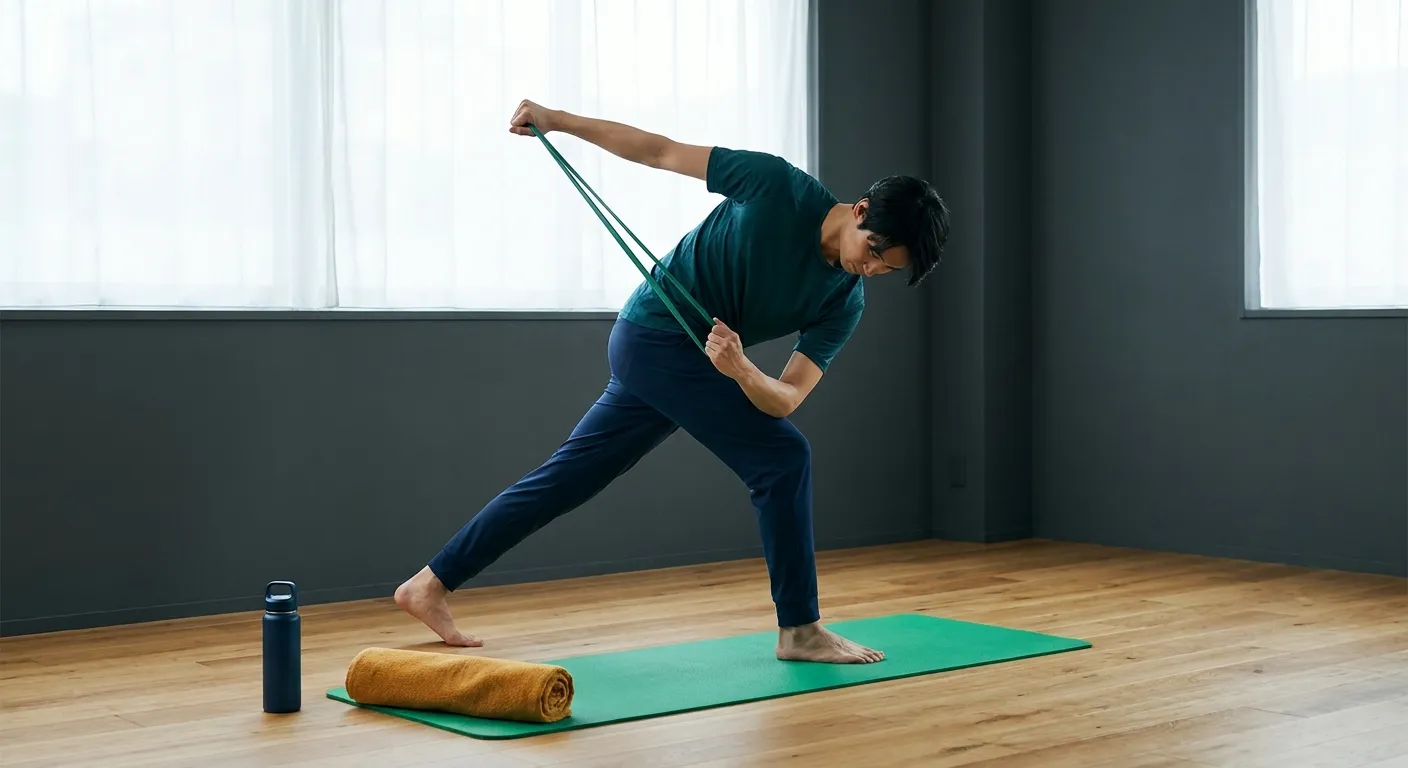
A fluid, powerful golf swing requires more than just strength; it demands exceptional flexibility. Without adequate range of motion, golfers risk not only limiting their potential but also increasing their susceptibility to injuries. Mastering golf flexibility exercises is not just about feeling good; it’s about optimizing your entire game, from tee to green.
At Golf Place, we understand that every golfer, regardless of skill level, aims for consistency and longevity in their sport. This article will guide you through essential stretches and mobility drills designed to improve your swing mechanics, increase clubhead speed, and most importantly, keep you playing injury-free for years to come. We’ll explore why flexibility is a cornerstone of golf performance and provide actionable exercises you can incorporate into your daily routine.
Why Golf Flexibility Exercises Are Crucial for Every Golfer
Many golfers focus heavily on strength and swing technique, often overlooking the foundational role of flexibility. However, a restricted range of motion can severely hinder your ability to achieve a full backswing, generate power through impact, or maintain balance. Think of your body as the engine of your swing; if the engine parts are stiff, they can’t operate efficiently or safely.
Improved flexibility allows for a greater coil and rotation during the backswing, leading to more power and distance. It also enables a smoother transition and follow-through, reducing strain on your joints and muscles. Furthermore, targeted golfer stretching routines can correct muscular imbalances that often contribute to common golf injuries like lower back pain, shoulder impingement, and wrist issues. Investing time in your mobility drills is an investment in your golf future.
Essential Stretches for Enhanced Golf Mobility
Integrating a routine of golf-specific stretches can dramatically impact your game. Here are some key areas to target and effective exercises for each:
1. Thoracic Spine Rotation
Your thoracic spine (mid-back) is vital for a good golf turn. Limited rotation here forces your lower back to compensate, leading to pain. Try these:
- Seated Thoracic Rotations: Sit on a chair, cross your arms over your chest. Rotate your upper body as far as comfortable, holding for 15-20 seconds. Repeat 5-10 times per side.
- Cat-Cow with Rotation: On hands and knees, perform a standard cat-cow, then add a gentle rotation by lifting one arm to the ceiling, following with your gaze.
2. Hip Flexor and Glute Flexibility
Strong and flexible hips are critical for power and stability. Tight hip flexors can limit your ability to rotate and finish your swing properly.
- Kneeling Hip Flexor Stretch: Kneel on one knee, place the other foot forward. Lean into the front leg, feeling the stretch in the hip of the kneeling leg. Hold 30 seconds per side.
- Figure-Four Stretch: Lie on your back, cross one ankle over the opposite knee. Gently pull the bottom knee towards your chest until you feel a stretch in the glute. Hold for 30 seconds per side.
3. Shoulder and Chest Mobility
Shoulder flexibility is paramount for a full backswing and preventing injuries. A tight chest can also restrict arm movement.
- Doorway Chest Stretch: Stand in a doorway, place forearms on the frame. Lean forward gently until you feel a stretch across your chest. Hold for 30 seconds.
- Arm Circles: Perform large, controlled arm circles both forward and backward. Do 10-15 repetitions in each direction.
4. Hamstring and Calf Stretches
Flexible hamstrings and calves contribute to better posture and stability throughout your swing. Tightness here can affect your ability to bend at the hips correctly.
- Standing Hamstring Stretch: Stand with one heel on an elevated surface (like a step). Keep your back straight and gently hinge at the hips until you feel a stretch in the back of your thigh. Hold for 30 seconds per side.
- Calf Stretch: Stand facing a wall, place hands on the wall. Step one foot back, keeping the heel down and knee straight. Lean into the stretch. Hold for 30 seconds per side.
Developing a Consistent Golf Flexibility Routine
Consistency is key when incorporating these movements into your daily life. A quick 10-15 minute routine performed several times a week can yield significant benefits. Consider doing these stretches before and after your rounds, or even as a standalone morning routine. Furthermore, hydration and proper nutrition also play a role in muscle elasticity. You might find additional useful resources for enhancing your physical readiness in our Golf Courses and Fitness Program section.
Moreover, listen to your body and avoid pushing into pain. Gentle, sustained stretches are more effective than aggressive bouncing. Over time, you will notice an improved range of motion and a more comfortable feeling during your swing. Many golfers report not only feeling better but also seeing measurable improvements in their game, including increased distance and better ball striking. Therefore, integrating these golf flexibility exercises becomes an essential part of your overall golf training.
The Science Behind Enhanced Mobility for Golfers
From a biomechanical perspective, a golfer’s swing is a complex chain reaction. Each segment of the body needs to move efficiently and in sync. For example, during the backswing, the hips and shoulders rotate independently yet cohesively. Limited hip internal rotation can restrict the backswing, forcing compensation in the lower back or shoulders, which often leads to injuries. Similarly, restricted thoracic rotation prevents a full, powerful coil, reducing clubhead speed.
Research consistently shows a correlation between a golfer’s range of motion and their swing speed and accuracy. One study published in the Journal of Strength and Conditioning Research highlighted how a golf-specific exercise program, including flexibility training, significantly improved clubhead speed and driving distance in amateur golfers. Therefore, these specific movements are not merely general stretches; they are targeted interventions for golf performance.
Beyond Stretching: Incorporating Mobility Drills
While static stretches are important, dynamic mobility drills also prepare your body for the demands of the golf swing. These drills involve movement through a range of motion, improving joint lubrication and muscle activation. Consider adding these to your warm-up:
- Torso Twists: Stand with feet shoulder-width apart, arms crossed over your chest. Gently twist your torso from side to side, gradually increasing the range of motion.
- Leg Swings: Hold onto a support, swing one leg forward and backward, then side to side. This helps loosen hips and hamstrings.
- Arm Swings: Similar to arm circles but more dynamic, swinging arms across the body and overhead to warm up the shoulders.
These dynamic movements are excellent preparatory steps before you even pick up a club. They help to prime your muscles and joints, making your initial swings feel much more natural and powerful. In fact, many professional golfers dedicate significant time to these types of warm-ups before every round. For those looking to explore more about enhancing their physical game, our Golf Training section offers a variety of resources.
Preventing Common Golf Injuries Through Flexibility
Many common golf injuries stem directly from a lack of flexibility and mobility. Lower back pain, for instance, is often a result of insufficient hip and thoracic spine rotation, forcing the lumbar spine to twist excessively. Shoulder impingement can occur due to tight chest muscles and poor rotator cuff mobility, limiting the shoulder’s ability to move freely.
By consistently performing these movements, you create a more resilient and adaptable body. This reduces the stress placed on individual joints and muscles during the repetitive motion of the golf swing. Consequently, you are less likely to experience the aches and pains that can sideline you from the course. Furthermore, preventing injuries means more time playing and enjoying the sport you love. You might also find valuable insights into maintaining overall wellness from reputable sources like Mayo Clinic’s guide on stretching and flexibility.
Moreover, when your body moves freely, your swing mechanics naturally improve. You can achieve better positions, generate more clubhead speed, and maintain balance more easily. This translates directly to better scores and more consistent play. Therefore, viewing these movements as a form of preventative maintenance is incredibly beneficial for any golfer.
Integrating Flexibility into Your Golf Lifestyle
Making flexibility a part of your golf routine doesn’t have to be a chore. It can be seamlessly integrated into your daily life. For instance, you can perform some hip flexor stretches while watching television or do thoracic rotations during short breaks at work. The key is to make it a habit, just like practicing your short game or visiting the driving range.
Consider setting aside 10-15 minutes each day, perhaps in the morning or evening, specifically for these movements. Over time, you will notice a significant improvement in how your body feels and performs on the course. Ultimately, a more flexible body is a more efficient body, capable of executing a powerful and controlled golf swing with less effort and greater safety. For more equipment that supports your journey, explore our Golf Shop.
In conclusion, prioritizing golf flexibility exercises is a non-negotiable aspect of serious golf training. It’s not just about adding a few yards to your drive; it’s about safeguarding your body, extending your playing career, and enhancing the pure enjoyment of the game. By dedicating time to these essential movements, you will build a stronger, more resilient body that can withstand the demands of golf and help you achieve your full potential on the course. Start today, and experience the transformative power of a flexible body for your golf game.
FAQ Section
What are the best exercises to improve golf swing flexibility?
Focus on stretches for the thoracic spine, hips, shoulders, and hamstrings. Examples include seated thoracic rotations, kneeling hip flexor stretches, doorway chest stretches, and standing hamstring stretches. Dynamic movements like torso twists and leg swings are also beneficial for warm-up.
How often should golfers do flexibility training?
Ideally, golfers should incorporate flexibility and mobility exercises into their routine daily or at least 3-5 times a week. Even 10-15 minutes of dedicated stretching can make a significant difference over time, especially when performed consistently.
Can improving my range of motion help prevent golf injuries?
Absolutely. Many common golf injuries, such as lower back pain and shoulder issues, are often linked to a lack of mobility. Enhancing your body’s range of motion reduces compensatory movements and stress on joints, thereby lowering your risk of injury.
Will increased body elasticity really add distance to my golf shots?
Yes, improved body elasticity can definitely contribute to greater distance. A more flexible body allows for a fuller backswing coil and a more powerful, unrestricted rotation through impact, leading to increased clubhead speed and, consequently, longer drives.
Are there specific stretches for older golfers to maintain their swing?
Older golfers benefit greatly from maintaining and improving their range of motion. Focus on gentle, sustained stretches for the hips, thoracic spine, and shoulders, as these areas often become restricted with age. Modified versions of standard stretches can be performed from a seated position if standing is difficult.