
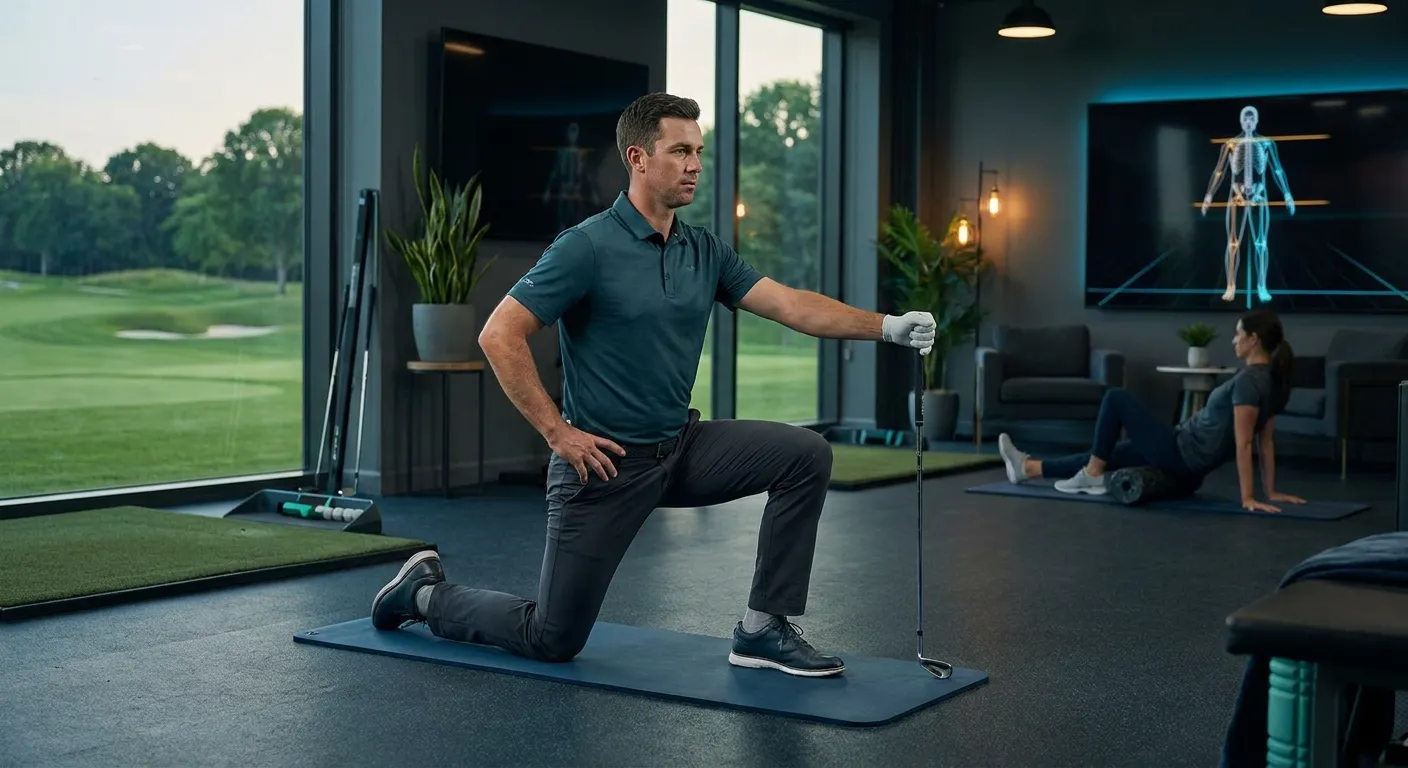
Many golfers focus intensely on technique, equipment, and strength, yet often overlook one of the most critical components of a consistent and powerful swing: flexibility. Proper golf flexibility exercises are not just about touching your toes; they are about achieving and maintaining the full range of motion required for an efficient golf swing, preventing injuries, and ultimately enhancing your performance on the course.
At Golf Place, we understand that a supple body is a powerful body. This article delves into why flexibility is paramount for golfers, highlights common areas of tightness, and provides a comprehensive guide to essential stretches and mobility drills that will help you unlock your full rotational potential and swing with greater ease and power.
Why Flexibility is Non-Negotiable for Golfers
The golf swing demands a complex sequence of movements involving significant rotation, stability, and coordination. Limited flexibility in key areas can severely restrict your ability to:
- Achieve a Full Backswing: Insufficient rotation in the thoracic spine (upper back) and hips can lead to a shorter, more restricted backswing, costing you power and distance.
- Maintain Proper Posture: Tight hamstrings and hip flexors can pull you out of your ideal address posture, leading to compensations and inconsistencies.
- Generate Clubhead Speed: A restricted body cannot create the kinetic chain sequence necessary for maximum clubhead velocity.
- Prevent Injuries: Overcompensating for stiffness puts undue stress on joints and muscles, increasing the risk of strains, pulls, and chronic pain, especially in the lower back, shoulders, and wrists.
Key Areas for Golfer Mobility Drills
Focus your golf flexibility exercises on these critical zones for maximum impact:
- Thoracic Spine (Upper Back): Essential for a full shoulder turn and maintaining width in the backswing. Lack of mobility here often leads to ‘lifting’ the arms or swaying.
- Hips: Crucial for rotation, weight transfer, and stability. Tight hips limit your ability to turn effectively and can restrict your follow-through.
- Hamstrings and Glutes: These muscles support your posture and provide power from the ground up. Tightness can impact your ability to bend from the hips at address.
- Shoulders and Chest: Important for arm swing mechanics, club control, and avoiding tension in the upper body.
- Core (Obliques & Abdominals): While often associated with strength, a flexible core allows for greater rotation and stability during the swing.
Essential Golf Flexibility Exercises and Stretches
Integrate these routines into your daily life, especially before and after playing or practicing. Remember to perform dynamic stretches before activity and static stretches after. Many of these movements can also be found in our Golf Courses and Fitness Program section, designed to complement your training.
Dynamic Pre-Round Stretches (5-10 minutes):
These movements prepare your body for the demands of the swing by increasing blood flow and activating muscles. Each dynamic stretch should be performed for 10-15 repetitions.
- Torso Rotations: Stand with feet shoulder-width apart, arms crossed over your chest. Gently rotate your torso from side to side, keeping your hips relatively stable. This improves thoracic spine mobility.
- Arm Circles: Perform both forward and backward circles with straight arms, starting small and gradually increasing the size. This warms up the shoulders and chest.
- Leg Swings (Front-to-Back): Hold onto something for balance. Swing one leg forward and backward in a controlled motion. This enhances hip flexor and hamstring flexibility.
- Leg Swings (Side-to-Side): Similarly, swing one leg across your body and out to the side. This targets the inner and outer thigh muscles and hip abductors.
- Cat-Cow Stretch (Standing or Kneeling): Arch your back and then round it, coordinating with your breath. This mobilizes the entire spine.
- Walking Lunges with a Twist: Step forward into a lunge, and as you do, twist your torso over the front leg. This combines hip and thoracic mobility.
Static Post-Round Stretches (15-20 minutes):
These are held for longer durations to improve overall flexibility and aid muscle recovery. Hold each stretch for 20-30 seconds, breathing deeply. Do not bounce.
- Seated Thoracic Rotation: Sit on the floor with one leg bent, foot flat on the outside of the opposite knee. Twist your torso towards the bent knee, using your arm for gentle leverage. This directly targets upper back rotation.
- Pigeon Pose (Yoga): A deep hip opener. Bring one knee forward, resting your shin on the ground, with the other leg extended straight back. This is excellent for hip external rotation.
- Hamstring Stretch (Standing or Seated): Reach for your toes or use a resistance band to gently pull your leg towards you. This lengthens the hamstrings, crucial for maintaining good posture.
- Figure-Four Stretch: Lie on your back, cross one ankle over the opposite knee, and gently pull the bottom thigh towards your chest. This targets the glutes and piriformis.
- Chest Opener (Doorway Stretch): Stand in a doorway, place forearms on the frame, and gently lean forward. This opens the chest and shoulders, counteracting golf posture.
- Lat Stretch: Kneel in front of a chair or bench, place hands on it, and push your hips back, letting your chest drop towards the floor. This stretches the lats, important for arm swing.
The Science Behind Golf Flexibility Training
Research consistently demonstrates the positive correlation between a golfer’s range of motion and their swing efficiency and power. For instance, a study published in the Journal of Strength and Conditioning Research found that increased hip and thoracic rotation directly improves clubhead speed. Furthermore, the Titleist Performance Institute (TPI), a leading authority in golf fitness, emphasizes that physical limitations are often the root cause of swing faults. Incorporating regular mobility work, like these golf flexibility exercises, addresses these limitations directly.
Ultimately, a more flexible body allows for a longer, wider backswing without compensation, a more efficient transition, and a powerful, balanced follow-through. This translates to more consistent ball striking, greater distance, and fewer aches and pains after a round. Therefore, prioritizing these types of movements is essential for any serious golfer.
Integrating Flexibility into Your Golf Routine
Consistency is key when it comes to seeing results from your flexibility program. Here are some tips for making golf flexibility exercises a regular part of your life:
- Morning Routine: Start your day with a few gentle stretches to wake up your body and improve circulation.
- Warm-up Before Play: Always perform dynamic stretches before heading to the first tee or practice range.
- Cool-down After Play: After your round, dedicate 10-15 minutes to static stretches to help your muscles recover and prevent stiffness.
- Off-Day Training: On days you’re not playing golf, consider a dedicated flexibility session or incorporate yoga or Pilates into your fitness regimen. Our Golf Training section offers resources to guide you.
- Listen to Your Body: Never force a stretch to the point of pain. Gentle, consistent effort yields the best long-term results.
Remember, improving your flexibility is a journey, not a destination. Small, consistent efforts will accumulate over time, leading to significant improvements in your golf game and overall physical well-being. These movements are just as important as the golf clubs you choose or the technique you refine.
Beyond the Stretches: Lifestyle Factors for Enhanced Mobility
While specific golf flexibility exercises are crucial, several lifestyle factors also contribute significantly to your overall suppleness and range of motion:
- Hydration: Water is vital for lubricating joints and maintaining the elasticity of muscles and connective tissues. Dehydration can lead to stiffness and reduced flexibility. Aim for adequate water intake throughout the day.
- Nutrition: A balanced diet rich in anti-inflammatory foods (like fruits, vegetables, and omega-3 fatty acids) can help reduce muscle soreness and promote recovery, indirectly supporting flexibility. Processed foods, on the other hand, can contribute to inflammation.
- Quality Sleep: During sleep, your body repairs and regenerates tissues. Insufficient sleep can hinder recovery and increase muscle tightness. Prioritize 7-9 hours of quality sleep each night.
- Stress Management: Chronic stress often manifests as muscle tension, particularly in the neck, shoulders, and lower back. Incorporating stress-reducing practices like meditation, deep breathing, or spending time outdoors can indirectly improve your physical flexibility.
- Ergonomics: If you spend many hours sitting, ensure your workstation is ergonomically sound. Poor posture during daily activities can counteract the benefits of your flexibility routine. Consider a standing desk or taking frequent movement breaks.
By addressing these broader lifestyle elements alongside your targeted stretching routine, you create a holistic approach to improving and maintaining your physical readiness for golf. For further reading on physical preparation, consider exploring relevant Golf Books available in our shop.
Common Misconceptions About Flexibility for Golfers
Despite the clear benefits, some misconceptions persist regarding flexibility training in golf: