What to Look for When Buying Golf Grips
Why Golf Grips Matter More Than You Think
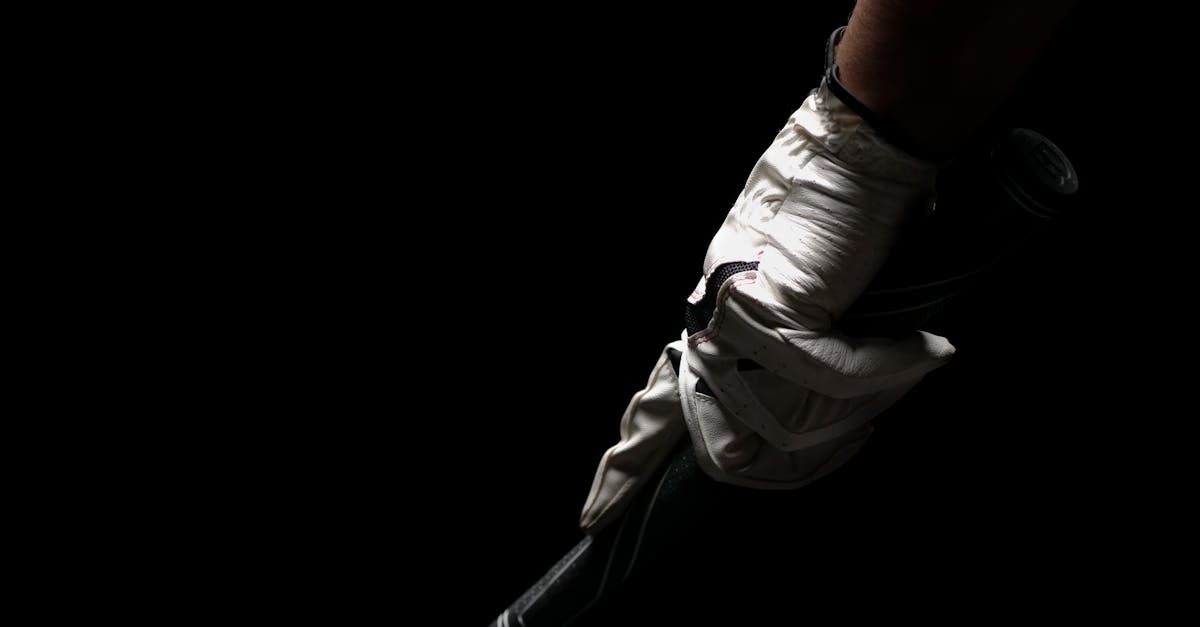
Ever tried swinging a club with a grip that feels like a wet fish? Not fun. Grips are your only direct contact point with the club, so they matter—a lot. A worn grip can cause slippage, reduce control, and mess up your game big time.
How to Choose the Right Golf Grip
It’s not just about color or brand; there’s serious science behind those rubbery handles. Let’s dig into the gritty stuff that separates the champs from the chumps.
Understanding the Basics
Grip Material: Rubber, Cord, or Hybrid?
Rubber grips are soft and comfy—great for beginners. Corded grips offer extra traction, ideal for wet conditions or sweaty hands. Hybrids combine both, blending feel and functionality.
Grip Size: It’s a Hand Thing
Your hands aren’t one-size-fits-all, so your grip shouldn’t be either. They come in standard, midsize, oversize, and junior options. Pro tip: If you’re squeezing the life out of your grip, it’s probably too small.
Taper or Not to Taper?
Standard grips taper—thinner toward the bottom. But reduced taper grips can promote more even hand pressure. Less taper equals more control, especially on tricky shots.
Performance Features to Consider
Weather Resistance: Rain, Sweat, and Sun
Grips that don’t slip when it pours are game-changers. Look for moisture-wicking and tack-enhanced technology like Golf Pride’s Align or Lamkin’s Genesis material.
Feel and Feedback
Some grips absorb vibration, while others give you every ounce of feedback. Want buttery feel? Go soft. Want info on mishits? Go firmer.
Texture: Smooth vs. Aggressive Patterns
It’s like tires. Smooth is great for dry, clean hands. Aggressive patterns are better if you need friction—think rough roads versus race tracks.
Grip Weight: Light or Heavy?
Lighter grips can change a club’s swing weight, making it feel easier to handle. Heavier grips? More stability. Choose accordingly.
Practical Considerations
Durability: How Long Will It Last?
If you’re burning through grips every season, you might not be choosing wisely. Premium materials often outlast cheap ones—simple as that.
Budget: Price vs. Performance
You don’t always have to splurge. But sometimes, spending a bit more on your grips can dramatically upgrade your feel and control.
Style and Personal Preference
There’s nothing wrong with choosing a grip that looks cool, too. If style boosts your confidence, go for it—just don’t make it your only reason.
Specialty Grips
Putter Grips: A League of Their Own
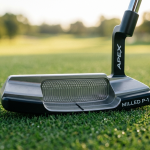
Putter grips come in fat, flat, and funky shapes, all designed to reduce wrist action. Experiment to find your jam—your putts will thank you.
Arthritis or Hand Pain? Consider Ergonomic Grips
Extra shock absorption and oversized profiles can reduce stress on joints. Lamkin Arthritic or Winn Dri-Tac grips are great options here.
Wrap-Up: Final Tips for Buying Golf Grips
1. Try Before You Buy
Head to a store, wrap your fingers around a few options, and take some swings. Feel is everything.
2. Consider Custom Fitting
Just like with clubs, grip fitting can help tailor your gear to your swing. If your swing’s unique, your grip should be too.
3. Regrip Regularly
Most golfers should regrip once a year—or after 40 rounds, whichever comes first. It’s cheaper than buying a new set of clubs, and way more effective than you’d expect.