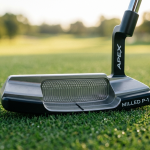

Why Golf Grips Are More Important Than You Think
A great golf grip can make or break your game. As the only contact point between you and your club, your grip plays a crucial role in control, comfort, and performance. Whether you’re chasing power or finesse, the right golf grip enhances every shot.
This guide unpacks how to choose the right golf grip based on feel, weather, and your playing style — plus when to replace them and how to keep them in top condition.
What Is a Golf Grip, Really?
It’s the rubbery (or sometimes corded) section at the top of the club that you hold during your swing. But not all grips are created equal.
The Role of the Grip
- Provides traction and control
- Helps maintain consistent hand placement
- Affects swing comfort and pressure
- Influences shot direction and spin
Types of Golf Grips: What’s Out There?
Let’s break down the three main categories of golf grips.
1. Rubber Grips
- Most common and affordable
- Smooth or lightly textured
- Great all-weather option
2. Corded Grips
- Embedded fabric cords provide texture
- Excellent in wet or sweaty conditions
- Preferred by aggressive swingers and pros
3. Wrap-Style Grips
- Mimic the look/feel of leather wraps
- Softer and tackier
- Ideal for players who like a cushioned feel
Grip Sizes: One Size Doesn’t Fit All
Grip size can make or break your swing mechanics.
Types of Sizes
- Undersize (Ladies) – Smaller hands, more wrist action
- Standard – Fits most golfers
- Midsize – Larger hands or those with arthritis
- Oversize (Jumbo) – Maximum comfort, reduces grip pressure
Pro Tip: Try different sizes at a golf shop. A grip too small can lead to hooks; too large can promote fades or blocks.
Choosing the Right Grip for Weather Conditions
Dry Weather
- Rubber grips work fine
- Focus on texture preference
Wet or Humid Conditions
- Corded grips offer superior control
- Or go for all-weather grips with moisture-wicking tech
Cold Weather
- Softer grips feel better in chilly temps
- Avoid hard corded grips that stiffen in cold air
Feel: What Kind of Sensation Do You Prefer?
Feel is personal — and your grip should match your style.
Prefer a Soft, Cushioned Feel?
- Try wrap-style or synthetic grips
- Ideal for players with hand pain or sensitivity
Need Firmness and Feedback?
- Corded or firm rubber grips
- Lets you “feel” the shot better at impact
Favor Tackiness Instead of Texture?
- Choose grips marketed for tackiness
- Great for lighter grip pressure and control
Grip Texture: Subtle or Serious?
Texture affects how tight you need to grip the club — and that affects swing speed and tension.
- Light Texture: Better for smooth swingers
- Heavy Texture: Needed for sweaty hands or firm grips
- Ribbed Grips: Have a small ridge along the back to guide hand placement
Signs It’s Time to Replace Your Golf Grips
Worn grips are a silent swing killer. Here’s what to watch for:
- Glossy shine: That’s a slick surface, not style
- Cracks or splits: Total control killer
- Slippage or twisting: Dangerous mid-swing
- Loss of tackiness: Grip pressure creeps up, causing tension
If you play weekly, regrip at least once a year. If you play more, consider twice annually.
DIY vs. Professional Regripping: What’s Best?
DIY Regripping
- Cheaper in the long run
- Requires solvent, vice, tape, and patience
- Satisfying if you enjoy hands-on work
Pro Shop Regripping
- Fast and clean
- Usually $3–$10 per club (plus grip cost)
- Ideal for beginners or those short on time
How to Clean Your Golf Grips
Dirty grips = slippery hands and erratic shots. Here’s how to fix that.
Rubber Grips
- Use warm water, dish soap, and a soft brush
- Scrub gently, rinse, and towel dry
Corded Grips
- Use a stiff nylon brush to clean embedded dirt
- Avoid soaking too long — just rinse and dry
Clean your grips every 4–6 rounds, especially in summer.
Top Golf Grip Brands to Know
- Golf Pride: Trusted by the pros, solid across categories
- Lamkin: Known for texture and durability
- Winn: Soft, cushioned grips with strong tack
- SuperStroke: Best known for oversized putter grips
- PURE Grips: Eco-friendly and durable options
Try before you buy if possible. A grip you love is worth every penny.
Don’t Forget the Putter Grip
Putter grips are a different beast — and just as important.
Common Types
- Pistol Grips: Traditional shape with a flare at the top
- Flat Front Grips: Helps square your hands
- Oversized Grips: Reduce wrist action and promote a pendulum stroke
SuperStroke’s line of oversized grips has exploded in popularity for a reason — they calm your hands and stabilize your stroke.
How Grip Affects Performance
Your grip can influence:
- Shot shape (hook, slice, fade, draw)
- Ball flight consistency
- Swing tension and tempo
- Confidence at address
The wrong grip can cause mishits, tension, and even injury. The right grip? It just feels like home.
Conclusion: The Grip Is Your Connection to the Game
Think of your grip like the steering wheel of a car — it’s how you control the entire vehicle. The right golf grip gives you confidence, control, and comfort. It’s not about playing what the pros play — it’s about what makes your hands feel secure and steady. Experiment, clean regularly, and regrip when the signs are there.
FAQs
- How often should I replace my golf grips?
At least once a year if you play regularly. Twice a year if you play often or in harsh weather. - What grip size should I use?
It depends on your hand size and swing style. Try gripping a standard club — if your fingertips dig into your palm, you may need a bigger size. - Can changing grips really help my game?
Yes. A properly sized and textured grip can improve consistency, reduce tension, and prevent errant shots. - Are softer grips better for seniors or players with arthritis?
Absolutely. Softer, larger grips reduce pressure and are easier on the joints.
What’s the best grip for wet conditions?
Corded grips are the top choice for moisture control and firm traction in wet or sweaty conditions.