Don’t Let Pain Keep You Off the Course
If arthritis or joint pain is making golf harder to enjoy, you’re not alone. Gripping a club too tightly, feeling vibration from impact, or experiencing soreness after a round can all take the joy out of the game. But here’s the good news: the right golf grip can make a huge difference.
The best golf grips for arthritis and joint pain are designed to reduce tension, absorb shock, and improve comfort, giving you back the freedom to swing without wincing. In this guide, we’ll walk you through the top grip choices that deliver pain relief — and let you enjoy every round again.
Why Grip Choice Matters for Arthritis and Joint Pain
Your hands are your only connection to the club. If your grips are too small, too firm, or lack cushioning, your joints will feel every vibration and jolt — especially on off-center hits.
The wrong grip can:
- Increase pain in fingers, wrists, and elbows
- Require more grip pressure, which causes fatigue
- Reduce feel and control over time
The right grip does the opposite — it cushions impact, eases pressure, and allows a more relaxed swing.
What to Look for in Arthritis-Friendly Golf Grips
1. Oversized or Jumbo Design
Larger grips reduce the need to close your hands tightly, easing joint strain and muscle fatigue.
2. Soft Material
Shock-absorbing rubber or polymer compounds help minimize vibration on impact.
3. High Tackiness
Tacky surfaces allow you to hold the club with less effort, reducing grip pressure.
4. Lightweight Construction
Helps maintain swing speed and club balance without adding strain to the wrists.
Top 7 Best Golf Grips for Arthritis and Joint Relief
1. Winn Dri-Tac AVS Oversize Grip
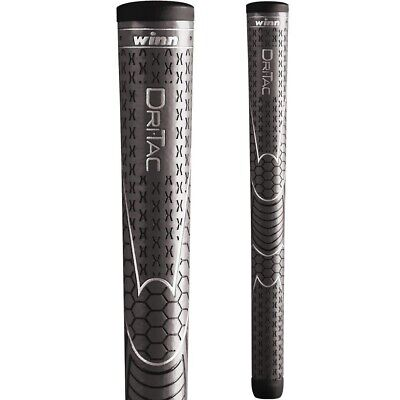
- Why it’s great: One of the softest, most cushioned grips on the market. Tacky feel with high shock absorption.
- Best for: Golfers with arthritis, hand pain, or reduced grip strength.
2. Lamkin Arthritic Grip
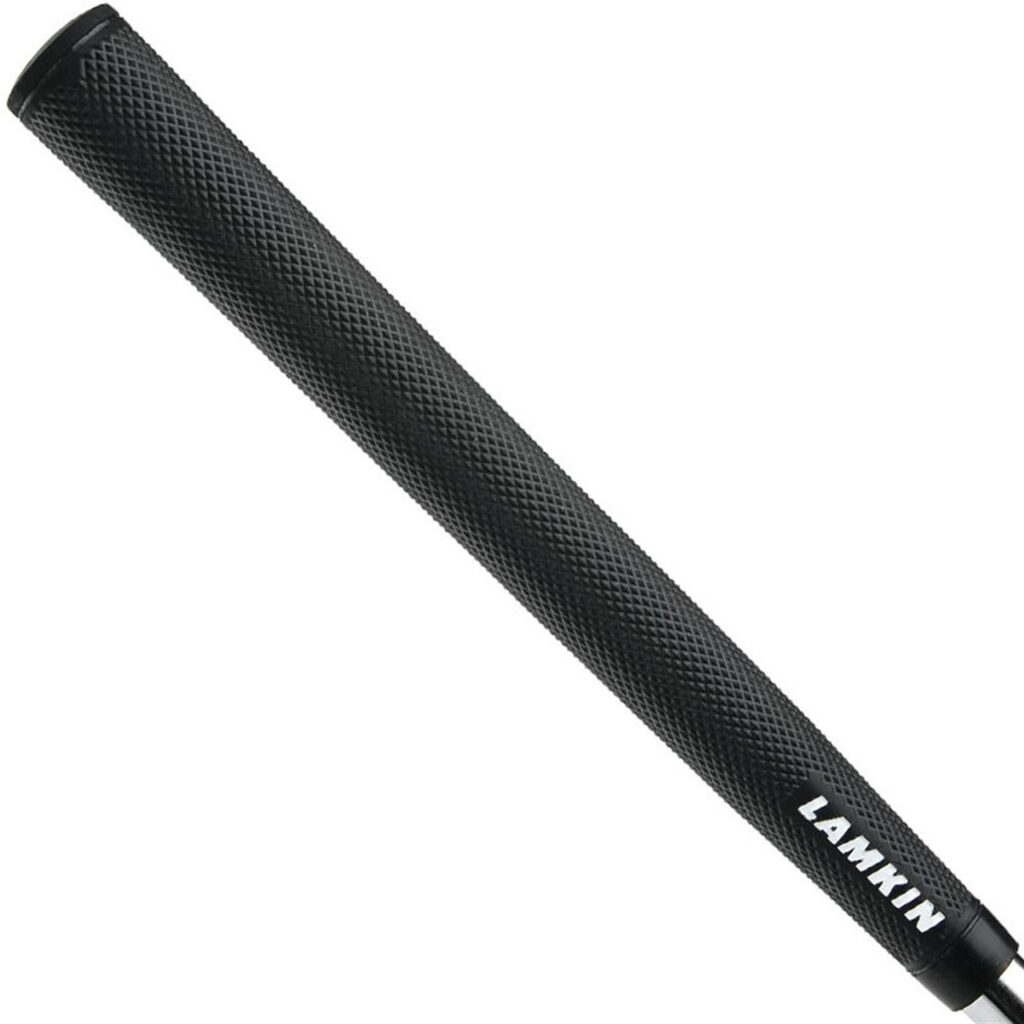
- Why it’s great: Specifically designed for golfers with arthritis. Deep-textured surface enhances traction without requiring a tight hold.
- Best for: Players needing a larger diameter and reduced hand effort.
3. Golf Pride CP2 Pro Jumbo
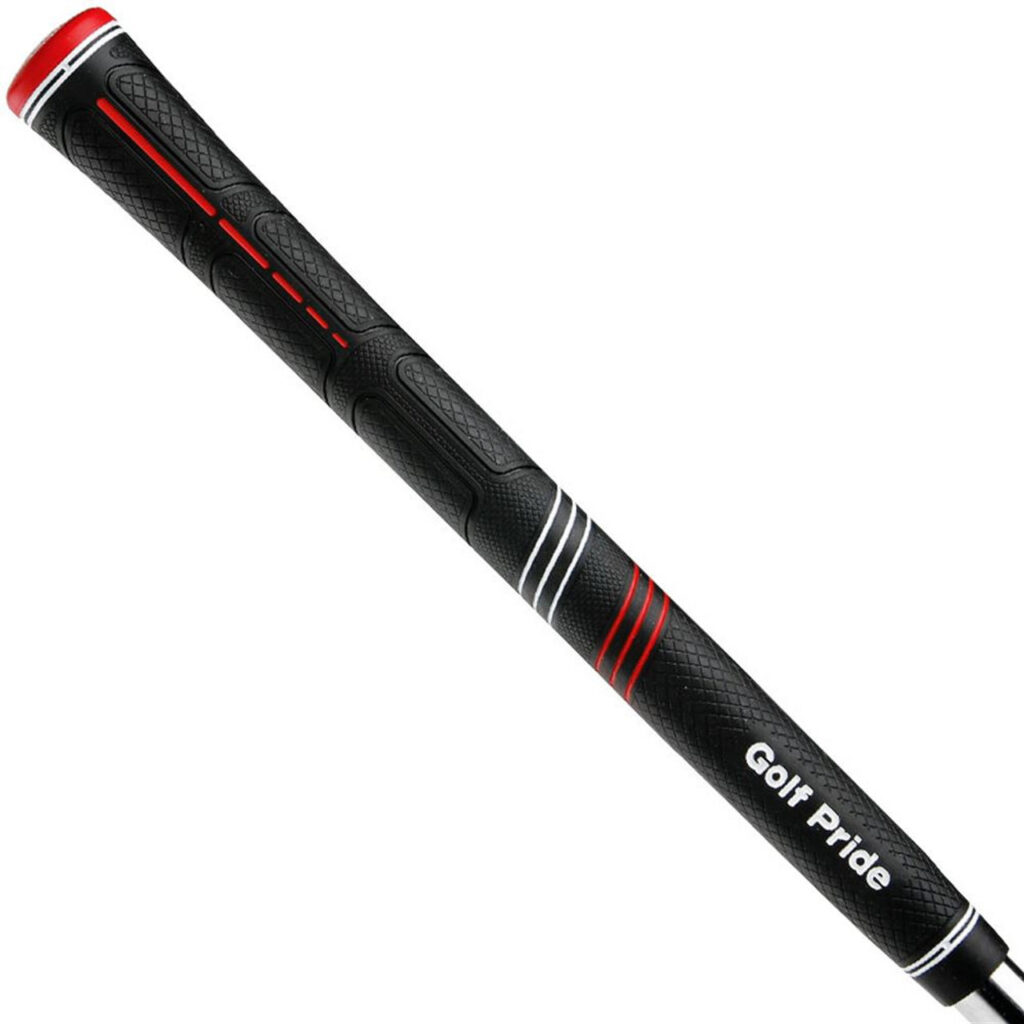
- Why it’s great: Combines a soft rubber compound with internal control core technology to reduce torque and absorb shock.
- Best for: Golfers seeking a cushioned feel with added stability and less wrist pain.
4. JumboMax Tour Series
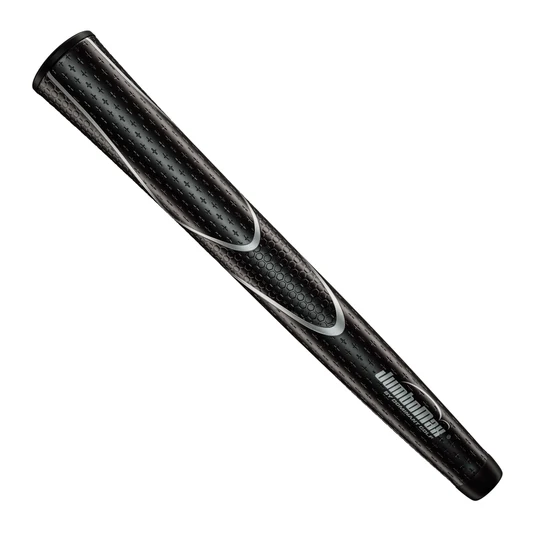
- Why it’s great: Popularized by Bryson DeChambeau, these oversized grips promote a light grip pressure and full-hand contact.
- Best for: Players with arthritis, large hands, or those wanting more stability and less wrist strain.
5. Winn Excel Oversize Grip
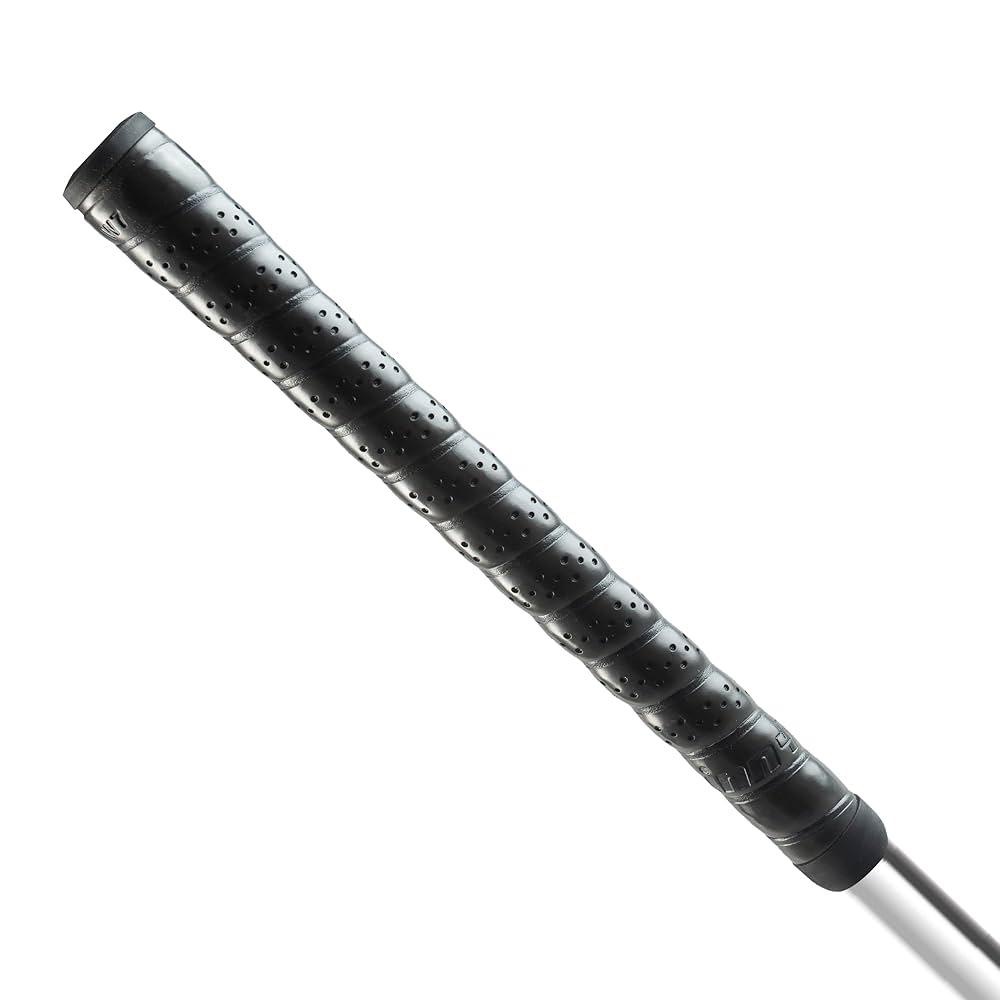
- Why it’s great: Extra thick, cushioned, and ultra-tacky. Reduces vibration and feels soft even on mishits.
- Best for: Players who prioritize comfort and shock reduction over firm feedback.
6. Karma Arthritic Grip
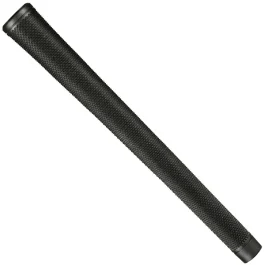
- Why it’s great: Budget-friendly option made for players with joint issues. Extra-large size and rough texture reduce grip tension.
- Best for: Senior players or anyone needing affordability with arthritic support.
7. SuperStroke S-Tech Oversize
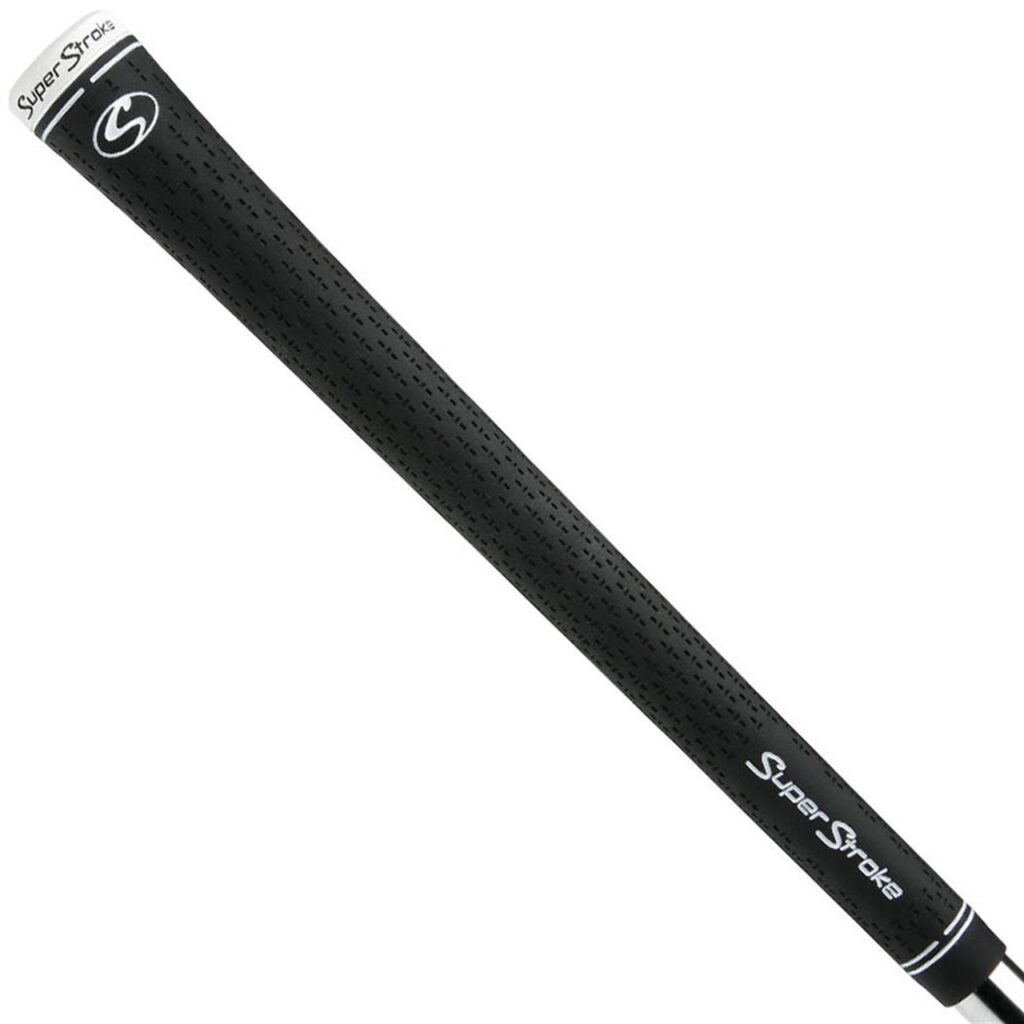
- Why it’s great: A performance-focused grip that still offers plenty of comfort and tack. Slightly firmer than others but great for control.
- Best for: Players with mild arthritis who want feel and performance without sacrificing relief.
Benefits of Using Arthritis-Friendly Grips
- Reduces Grip Pressure – Larger, softer grips allow you to relax your hands during the swing.
- Minimizes Joint Fatigue – Less stress on hands, wrists, and elbows during and after play.
- Improves Confidence – Comfortable hands lead to more consistent swings and better ball striking.
- Promotes Longer Play – Reduced discomfort helps you play more holes without pain or fatigue.
Tips for Golfers with Arthritis or Joint Pain
- Use Oversize or Jumbo Grips
These reduce the effort needed to grip the club tightly. - Regrip Regularly
Worn grips lose tack and cushion. Fresh grips maintain comfort and performance. - Try Graphite Shafts
While not grip-related, graphite reduces vibration compared to steel. - Warm Up Your Hands Before Playing
Use heat packs, stretch your fingers, or wear compression gloves to loosen up stiff joints. - Consider Using Gloves on Both Hands
A second glove can reduce friction and strain for players with tender fingers or knuckles.
Conclusion
Arthritis or joint pain doesn’t have to sideline your golf game. The right grip — oversized, cushioned, and tacky — can dramatically reduce discomfort and help you swing with confidence again.
Whether you choose the pillowy softness of the Winn Dri-Tac AVS, the stability of the Golf Pride CP2 Pro Jumbo, or the specifically engineered Lamkin Arthritic Grip, there’s an option that can keep your hands happy and your score steady.
Golf should be fun — not painful. Choose the right grip and get back to playing your best.
FAQs
- Are larger grips better for arthritis?
Yes. Jumbo or oversize grips require less hand strength to hold, making them ideal for reducing joint pain. - What’s the softest golf grip for arthritis relief?
Winn Dri-Tac AVS Oversize and Winn Excel are two of the softest, most cushioned grips available. - Do grip materials matter for joint pain?
Absolutely. Softer rubber or polymer compounds absorb more shock and reduce vibration. - Will oversized grips affect my swing mechanics?
They may slightly reduce wrist action, which can be beneficial for control and reducing pain — but they rarely hurt performance. - How often should I replace grips if I have arthritis?
Every season or every 40–60 rounds, depending on play frequency. Fresh grips ensure maximum comfort and tackiness.