
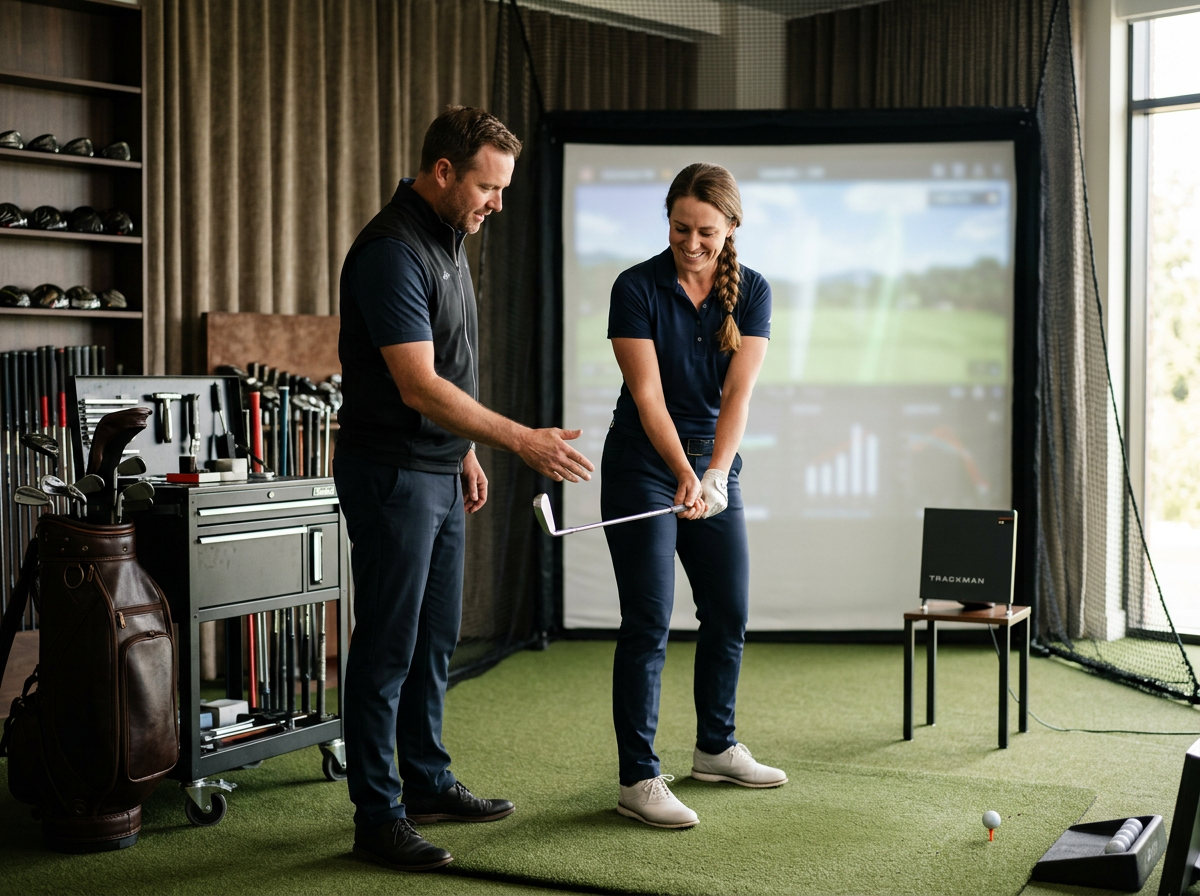
Golf can feel frustrating when every swing seems unpredictable. Many players spend years adjusting their mechanics without realizing the issue may not be their technique at all. In many cases, the real problem comes from equipment that simply does not fit the golfer. That is why properly fitted clubs have become one of the most important investments for players who want better comfort, cleaner contact, and more confidence on the course.
When clubs match a golfer’s body, swing speed, posture, and playing style, the game becomes easier and more enjoyable. Instead of forcing awkward movements, golfers can swing naturally and trust their equipment. As a result, confidence grows, tension decreases, and consistency improves over time.
Many golfers assume custom fitting only benefits professionals. However, beginners and high handicappers often see the biggest improvements. Even small adjustments in shaft length, lie angle, grip size, or club weight can dramatically change how the club feels during the swing. Consequently, players gain more control and develop a smoother rhythm.
Comfort matters more than many golfers realize. When equipment feels balanced and natural, golfers can focus on strategy and execution instead of compensating for uncomfortable clubs. Over time, this creates a more relaxed and enjoyable experience on the course.
Why Club Fitting Matters More Than Most Golfers Think
Many golfers buy clubs directly from retail shelves without considering how those clubs match their physical build or swing mechanics. Although standard clubs may work reasonably well for some players, they are designed around averages. Unfortunately, very few golfers actually fit those average measurements.
A golfer who is taller may need longer shafts. Meanwhile, someone with slower swing speed may benefit from lighter shafts and more flexible materials. If the club does not suit the player, compensations often develop during the swing. Eventually, those compensations create inconsistent shots and physical discomfort.
Properly fitted clubs help eliminate unnecessary adjustments. Instead of fighting the equipment, golfers can swing with freedom and confidence. This often leads to better tempo, improved balance, and more centered contact.
Club fitting also improves shot dispersion. Players frequently notice tighter shot patterns after switching to fitted clubs because the equipment encourages more repeatable swings. As accuracy improves, golfers naturally become more confident standing over the ball.
Additionally, custom fitting helps golfers understand their own swing tendencies. During a fitting session, launch monitors and professional analysis reveal valuable data about ball speed, spin rates, launch angles, and impact consistency. This information allows golfers to make smarter equipment choices based on real performance rather than marketing claims.
How Comfort Affects Swing Performance
Comfort and performance are closely connected in golf. When a club feels too heavy, too long, or difficult to control, tension quickly builds throughout the body. Tight muscles often lead to rushed swings and inconsistent contact.
On the other hand, comfortable equipment encourages smoother movement. Golfers swing more naturally because they trust the club. As a result, the body stays relaxed and balanced during the swing.
Grip size plays a major role in comfort. Golfers with grips that are too small may squeeze the club too tightly. Conversely, grips that are too large can reduce wrist mobility and feel awkward during impact. Finding the correct grip size helps players maintain proper pressure while improving overall control.
Shaft weight also influences comfort significantly. Some golfers perform better with lightweight shafts because they generate more speed with less effort. Others prefer heavier shafts for added stability and control. A professional fitting helps identify the best combination for each player.
Lie angle adjustments improve comfort as well. If the clubhead sits incorrectly at address, golfers often compensate by changing posture or hand position. Over time, these adjustments can create swing flaws and even physical strain. Proper lie angles allow golfers to stand naturally and swing freely.
Many golfers notice reduced fatigue after moving to properly fitted clubs. Since the body no longer works against the equipment, energy levels remain more stable throughout the round. This becomes especially important during long practice sessions or competitive play.
The Confidence Boost That Comes From Better Equipment
Confidence in golf often begins before the swing even starts. Standing over the ball with trust in your equipment creates a calmer mindset and better focus. When golfers believe their clubs fit correctly, hesitation decreases and commitment improves.
Properly fitted clubs help players develop trust because shots become more predictable. While no golfer hits perfect shots every time, consistency increases when equipment matches the player’s swing characteristics. Consequently, golfers begin expecting solid contact instead of fearing mishits.
Confidence also improves decision-making. Players become more willing to attack pins, shape shots, and commit to aggressive swings when they trust their clubs. This mental advantage often lowers scores as much as physical improvements do.
Many golfers experience renewed excitement after a fitting session. The game simply feels easier and more enjoyable. Instead of blaming themselves for every poor shot, players recognize how much properly matched equipment matters.
Furthermore, confidence tends to build gradually through repetition. As golfers continue seeing positive results with fitted clubs, trust strengthens over time. Eventually, the equipment becomes an extension of the golfer rather than an obstacle.
How Shaft Selection Changes Performance
Shafts influence nearly every aspect of ball flight and feel. Despite this, many golfers overlook shaft fitting entirely. Selecting the correct shaft flex, weight, and material can dramatically improve consistency and comfort.
Golfers with faster swing speeds often benefit from stiffer shafts because they provide greater control and stability. Meanwhile, slower swingers usually perform better with more flexible shafts that help launch the ball higher and increase distance.
Weight matters just as much as flex. Lightweight shafts can increase swing speed and reduce fatigue, particularly for seniors or beginners. Heavier shafts may provide better tempo and stability for stronger players.
Material choices also affect feel and performance. Graphite shafts absorb vibration and feel smoother during impact. Therefore, many golfers prefer them for comfort and reduced strain on the hands and elbows. Steel shafts generally provide more feedback and control, making them popular among experienced players.
Finding the right shaft combination creates a more natural swing motion. Golfers no longer feel like they must force the club through impact. Instead, the swing flows more freely and efficiently.
Better Contact Leads to Better Results
Clean contact is one of the biggest factors in golf performance. Even minor off-center hits can reduce distance, accuracy, and consistency. Fortunately, properly fitted clubs help golfers strike the ball more solidly.
Club length affects impact location significantly. Clubs that are too long may cause heel strikes, while clubs that are too short often lead to toe contact. Properly sized clubs help golfers return the clubface to the ball more consistently.
Lie angle adjustments improve turf interaction as well. When the sole sits correctly at impact, the club moves through the turf more efficiently. This creates cleaner contact and more predictable ball flights.
Loft fitting also matters. Some golfers struggle because their clubs do not provide proper launch conditions. Adjusting lofts can improve carry distance, trajectory, and stopping power on the greens.
As contact improves, golfers usually gain distance without swinging harder. Efficient impact transfers more energy into the ball, creating stronger and more consistent shots.
Importantly, better contact also improves emotional confidence. Golfers enjoy the game more when shots feel solid and predictable. That positive feedback encourages continued improvement and greater commitment to practice.
Custom Fitting Helps Every Skill Level
Many beginners believe they should wait until their swing improves before getting fitted. In reality, the opposite is often true. Poorly matched equipment can slow development and reinforce bad habits.
Beginners benefit from fitted clubs because they learn with equipment that supports proper mechanics. Instead of compensating for uncomfortable clubs, they can focus on developing rhythm and balance.
Intermediate golfers often experience noticeable score improvements after a fitting session. Since they already possess some consistency, better equipment quickly translates into improved accuracy and distance control.
Advanced players benefit from precision adjustments that fine-tune ball flight and shot shaping. Even small equipment changes can influence performance at higher skill levels.
Senior golfers frequently gain significant advantages from properly fitted clubs as well. Lightweight shafts, optimized lofts, and forgiving clubheads help maintain distance and reduce physical strain. Consequently, many seniors continue enjoying the game comfortably for longer periods.
Women golfers also benefit from fitting because standard clubs are often designed around male swing characteristics. Custom fitting ensures proper weight, length, and flex profiles for smoother swings and improved consistency.
The Mental Side of Playing With Confidence
Golf is deeply mental. Doubt and uncertainty can quickly ruin even a technically sound swing. That is why confidence plays such a major role in scoring and overall enjoyment.
Properly fitted clubs reduce mental distractions because golfers trust their setup. Instead of questioning whether the club suits the shot, players can focus fully on execution.
This mental clarity becomes especially important under pressure. During competitive rounds or difficult situations, confidence in equipment helps golfers stay committed and calm.
Comfort also affects emotional stability during a round. Golfers who feel physically relaxed tend to recover faster after mistakes. Meanwhile, uncomfortable equipment often increases frustration and tension.
Over time, the mental benefits of fitted clubs become just as valuable as the physical improvements. Golfers feel more prepared, more relaxed, and more optimistic about their performance.
Signs Your Clubs May Not Fit Properly
Many golfers continue using mismatched equipment without realizing it. However, several warning signs often indicate poor club fit.
Frequent toe or heel strikes may suggest incorrect club length. Consistent slices or hooks could indicate unsuitable shaft characteristics or lie angles. Persistent discomfort in the hands, wrists, shoulders, or back may also point toward equipment issues.
Golfers who feel off balance during the swing should consider a fitting session as well. Clubs that feel excessively heavy or difficult to control often create timing problems and inconsistent contact.
Another common sign involves trajectory issues. Shots that launch too low, too high, or with excessive spin may result from improper shaft or loft configurations.
If a golfer struggles to maintain consistency despite regular practice, equipment may be contributing to the problem. In many cases, small fitting adjustments produce surprisingly large improvements.
Investing in Long-Term Enjoyment
Golf should feel rewarding and enjoyable. Although lessons and practice remain important, equipment plays a major role in the overall experience. Properly fitted clubs help golfers feel more comfortable, swing with greater confidence, and enjoy the game more consistently.
The benefits extend far beyond distance gains. Better comfort reduces fatigue and tension. Improved confidence supports stronger decision-making and calmer swings. More consistent contact creates better results and greater satisfaction.
Additionally, custom fitting helps golfers maximize their existing abilities. Instead of fighting unsuitable equipment, players can focus on developing skills and enjoying the process of improvement.
Many golfers spend years searching for swing fixes while overlooking the importance of equipment fit. Yet properly fitted clubs often provide one of the fastest and most noticeable improvements available in golf.
Whether you are a beginner learning the game or an experienced player seeking greater consistency, investing in fitted clubs can transform your relationship with golf. The game becomes more comfortable, more predictable, and far more enjoyable when your equipment truly works with you instead of against you.
FAQ
1. How do custom golf clubs improve accuracy?
Custom clubs improve accuracy by matching the golfer’s swing characteristics, posture, and timing. This creates more consistent contact and tighter shot patterns.
2. Are fitted clubs worth it for beginners?
Yes, beginners often benefit greatly from fitted equipment because it helps develop better habits and creates a more comfortable learning experience.
3. How often should golfers get fitted for clubs?
Golfers should consider a fitting every few years or whenever their swing, strength, flexibility, or playing frequency changes significantly.
4. Can the wrong shaft affect swing consistency?
Absolutely. An unsuitable shaft can alter timing, launch angle, and ball flight, leading to inconsistent performance and reduced confidence.
5. Do fitted clubs help reduce physical strain?
Yes, clubs matched to the golfer’s body and swing reduce unnecessary tension and compensation, which can lower fatigue and discomfort during play.