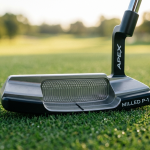

Every golfer wants a ball flight that behaves predictably. A clean launch, ideal height, balanced spin, and steady direction can transform any round. Yet many players chase these results by changing mechanics, rehearsing drills, or adjusting swing thoughts. What they often overlook is how proper club fitting influences ball flight long before technical adjustments even matter.
Proper club fitting optimizes ball flight by ensuring the equipment works with your natural motion. When shaft characteristics, loft, lie angle, length, weight, and head design match your body and rhythm, the ball reacts more consistently. Trajectory stabilizes. Spin settles into a predictable pattern. Shots stop curving unpredictably. Instead of fighting equipment that distorts your motion, you swing freely and produce cleaner contact.
Most golfers underestimate how dramatically equipment influences flight. A small adjustment in one component—sometimes as subtle as a single degree—can transform how the ball moves through the air. Understanding how proper club fitting improves ball flight is one of the fastest ways to elevate your performance.
Why Proper Club Fitting Controls Ball Flight
Ball flight depends on several factors: launch angle, spin rate, dynamic loft, impact location, and face orientation. These variables determine height, curvature, and distance. If equipment doesn’t match your body or tempo, each variable becomes harder to control. Compensations appear. Timing changes. Impact location shifts. As a result, ball flight becomes unpredictable.
Proper club fitting stabilizes the entire system. When the club complements your natural motion, your swing becomes easier to repeat. Launch improves. Spin becomes reliable. Impact shifts toward the center of the face. Consistency begins with equipment that harmonizes with your body.
How Shaft Flex Influences Ball Flight
The shaft influences how the club loads and unloads, which affects dynamic loft and face control. Proper club fitting ensures your shaft flex matches your swing speed and tempo.
If Flex Is Too Stiff
Shots tend to:
Fly low
Fade or push
Launch with limited spin
Feel weak at impact
A shaft that barely flexes can’t store or release energy effectively.
If Flex Is Too Soft
Flights often:
Rise too high
Spin excessively
Curve left for many players
Launch inconsistently
A soft shaft releases too early, causing instability.
Correct Flex Enhances Launch and Spin
When flex matches your natural rhythm, the club returns to impact in a square, stable position. This produces balanced height, consistent spin, and reliable direction.
How Shaft Weight Affects Trajectory
Shaft weight influences tempo and strike quality. It plays a major role in ball flight.
Heavy Shafts Produce Lower, Stronger Flights
But when too heavy, they cause:
Sluggish rhythm
Low hooks or low fades
Reduced carry
Difficulty generating speed
Light Shafts Produce Higher Flights
But too light can cause:
Excess spin
Timing issues
High, unstable shots
Loss of directional control
Optimal Weight Matches Your Strength and Tempo
Proper club fitting finds the weight that supports smooth tempo and efficient energy transfer. This creates a stable, controlled flight that matches your swing.
How Lie Angle Steers Your Ball Flight
Lie angle is one of the most powerful factors influencing direction.
Upright Lie Angles Pull Shots Left
When the toe rises at impact, the face tilts left. This creates a pull or draw bias.
Flat Lie Angles Push Shots Right
A dropped toe tilts the face right. This creates a push or fade bias.
Proper Lie Angle Straightens Your Flight
A matched lie angle ensures the sole contacts the ground evenly. This produces straighter shots and prevents direction problems caused by equipment rather than technique.
How Length Shapes Launch and Contact
Club length changes posture, balance, and spacing. It subtly influences everything from impact location to spin rates.
Long Clubs Cause Heel Contact and Fades
A long club pulls your posture upright, which often leads to heel strikes and open-face impact.
Short Clubs Cause Toe Contact and Hooks
Short clubs force you too close to the ball, increasing toe strikes and closed-face impact.
Correct Length Centers Strike Location
Centered contact is the key to optimized ball flight. Proper club fitting ensures your arms hang naturally and the club returns consistently to the middle of the face.
How Loft and Clubhead Design Refine Ball Flight
Loft controls height and spin. Head design influences stability and energy transfer.
Low Loft Creates a Line-Drive Flight
Too little loft:
Reduces carry
Lowers peak height
Makes shots fall early
Increases curvature for many players
High Loft Creates Excessive Height
Too much loft:
Increases spin
Raises flight beyond ideal windows
Reduces roll-out
Creates ballooning trajectories
Matched Loft Maximizes Distance and Control
Proper club fitting finds the loft that delivers the ideal combination of height, carry, and spin.
Head Design Also Matters
High-MOI heads help straighten miss-hits. Compact heads encourage workability for skilled players. Matching the right head design to your needs greatly improves consistency.
How Grip Size Influences Clubface Control
Grip size affects how your hands release through impact.
Small Grips Increase Hand Activity
This often produces hooks or shots with excess spin.
Large Grips Limit Release
This leads to blocks, pushes, or weak fades.
Proper Size Promotes a Neutral, Stable Release
This stability reduces curvature and produces a more predictable flight pattern.
How Swing Weight Influences Timing and Flight
Swing weight affects the “heaviness” of the clubhead during the swing.
Light Swing Weights Increase Height
But can also cause early releases and inconsistent contact.
Heavy Swing Weights Lower Flight
But overly heavy clubs can drag your rhythm off track and cause pulls or low hooks.
Proper Swing Weight Matches Your Tempo
The right swing weight supports smooth tempo, centered contact, and consistent launch.
How Proper Fitting Reduces Excess Curve
Many golfers struggle with slices or hooks. While technique plays a role, equipment often amplifies curvature. Proper club fitting reduces unwanted curve by:
Balancing spin rates
Centering face impact
Aligning loft with your swing
Matching shaft dynamics to your release
Ensuring lie angle matches your impact position
Less curve means straighter, more predictable ball flight.
How Proper Club Fitting Stabilizes Launch Conditions
Launch conditions determine distance and control. Proper club fitting helps:
Raise low-launch shots
Lower high-launch shots
Reduce excessive spin
Add beneficial spin where needed
Increase ball speed through improved impact
These adjustments produce a balanced, controlled flight that matches your game.
The Mental Advantage of Optimized Flight
Confidence grows when ball flight becomes predictable. Proper club fitting removes doubt from your setup and swing. You stop adjusting mid-motion. You commit to the shot. This mental clarity improves both rhythm and execution.
Relaxed swings produce better strikes and better results.
Why Proper Club Fitting Works for All Skill Levels
Some golfers believe club fitting is only for advanced players, but beginners and intermediates benefit just as much. Proper equipment helps you build better habits and avoid unnecessary compensations. The ball flies more predictably, which makes learning easier.
Even seasoned players gain new consistency when their clubs match their movement.
Final Thoughts: Better Fit, Better Flight
Proper club fitting optimizes ball flight by aligning equipment with your natural motion. Everything improves—launch, spin, height, speed, accuracy, and confidence. Instead of forcing compensations to correct a mismatched club, your swing flows naturally and produces more consistent results.
If your ball flight feels unpredictable or difficult to control, a professional fitting may be the missing link. When your equipment fits correctly, your flight pattern stabilizes and your game immediately feels more reliable.
FAQ
1. How does proper club fitting improve ball flight?
It improves launch, spin, direction, and impact location by matching the club to your natural movement.
2. Can incorrect shaft flex affect trajectory?
Yes. Too stiff or too soft a shaft changes height, curvature, and spin.
3. Does lie angle really influence direction?
Absolutely. Lie angle is one of the biggest factors in left or right misses.
4. Will proper fitting help reduce slices and hooks?
Yes. Proper fitting reduces side spin and helps stabilize clubface delivery.
5. Should newer golfers get fitted?
Yes. Proper fitting helps newer players build consistent swings without compensating for mismatched equipment.