Welcome to Your Golf Club Journey
Welcome to our golf club buying guide — your complete resource for choosing, customizing, and upgrading your clubs. Whether you’re new to the game or refining your gear as an experienced player, the right golf clubs can dramatically improve your performance and confidence on the course.
We’re diving into how to choose, customize, and upgrade your clubs so you can play with more confidence, comfort, and control — without the confusion.
Understanding the Different Types of Golf Clubs
Let’s break down the golf bag lineup so you’re not guessing what each club is supposed to do.
Drivers
- Longest club in the bag
- Used for tee shots on long holes
- Prioritizes distance
Fairway Woods
- Great off the tee or fairway
- More loft than drivers
- Easier to control for many players
Hybrids
- Combo of wood and iron
- Fantastic for awkward lies
- Easier to hit than long irons
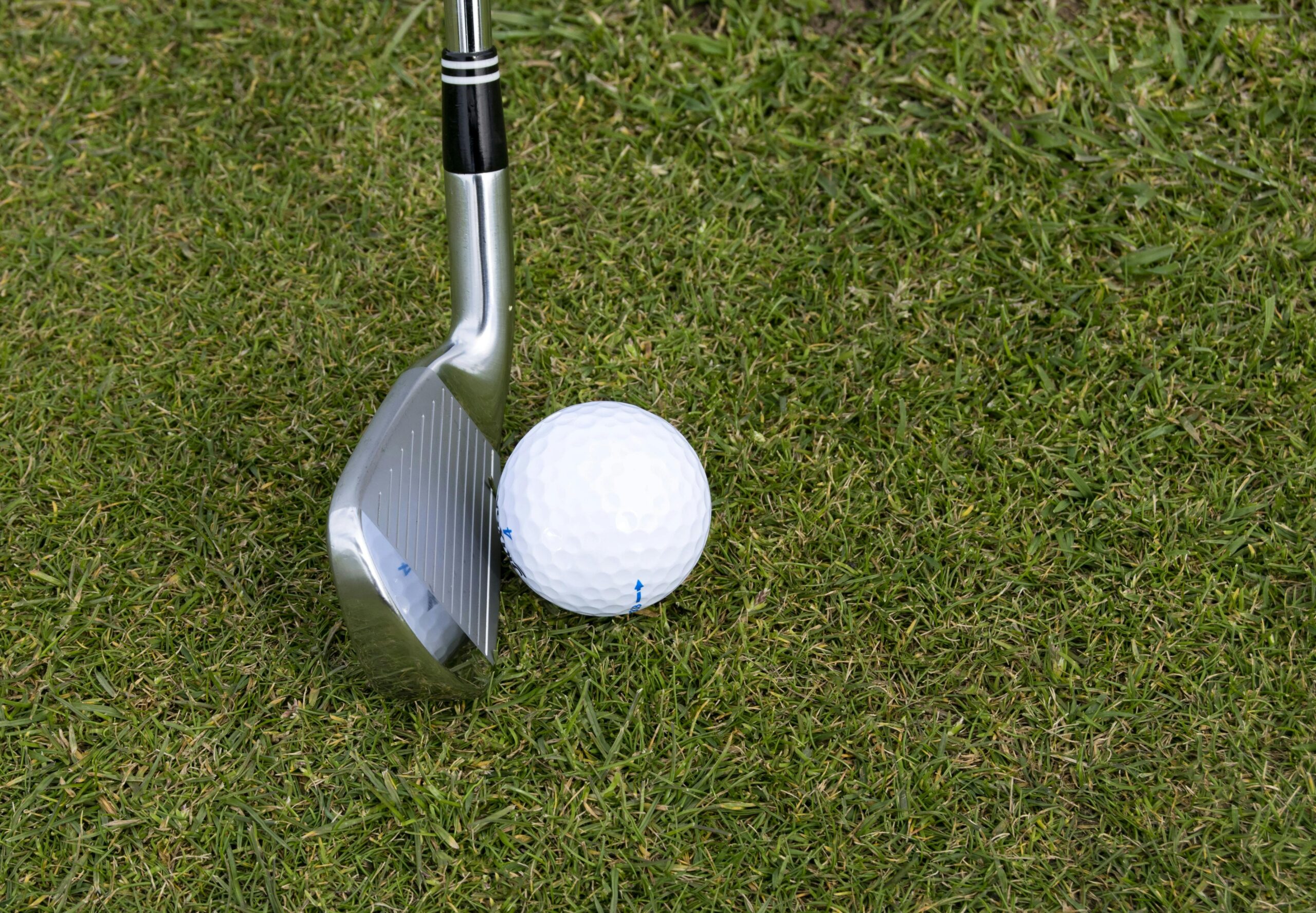
Irons
- Numbered 3–9
- Used for shots from fairway or rough
- Higher number = more loft, less distance
Wedges
- Pitching, sand, gap, and lob wedges
- Specialized for short game and approach shots
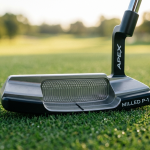
Putters
- Used on the green
- Comes in many shapes: blade, mallet, mid-mallet
- All about feel and alignment
Best Golf Clubs by Skill Level
Beginners
- Look for full starter sets
- Prioritize forgiveness
- Graphite shafts and cavity-back irons are your friends
Intermediate Players
- Upgrade key clubs like driver or putter
- Mix and match clubs that suit your swing
- Begin considering shaft flex and lofts
Advanced Players
- Time for custom-fitted clubs
- Choose club types based on ball flight and control preferences
- Consider switching to blades or player’s distance irons
How to Customize Your Golf Clubs
Customization isn’t just for the pros. Tailoring your clubs to your swing is a total game-changer.
Shaft Flex
- Measured from extra stiff (X) to ladies (L)
- Faster swings need stiffer shafts
- Slower swings benefit from more flexible shafts
Lie Angle
- Affects direction of your shots
- Incorrect lie angles can cause pulls or pushes
Grip Size
- Too small? You may over-rotate
- Too large? You might block shots
- Get sized properly at a shop or range
Loft Adjustments
- Many drivers and hybrids allow tweaking loft
- Helps dial in optimal launch angle and spin rate
When to Upgrade Your Golf Clubs
Golf clubs don’t last forever — and neither does the technology inside them.
1. You’ve Improved
- Still swinging those beginner clubs with a mid-handicap? You’re leaving performance on the table.
2. Worn-Out Grooves
- Less spin, less control. Wedges suffer the most.
3. New Tech Can Help
- Modern clubs are more forgiving, lighter, and smarter
4. You’re Getting Fit
- Better fitness often equals faster swing speed. Your old shafts may not match your new game.
How Often Should You Replace Your Golf Clubs?
There’s no hard rule, but general guidance helps.
Drivers
- Every 3–5 years for recreational players
Irons
- Every 5–7 years depending on usage
Wedges
- Replace every 2–3 years or after ~75 rounds
Putters
- Can last forever — unless your feel or confidence takes a hit
Golf Club Fitting vs. Off-the-Rack Buying
Buying off the rack is convenient, but it’s not always ideal.
Off-the-Rack Pros
- Cheaper upfront
- Immediate availability
- Great for beginners
Custom Fit Pros
- Dialed in for your body and swing
- Can gain distance, accuracy, and confidence
- More value in the long run
A proper fitting can lead to better posture, fewer mishits, and more smiles. Worth it? Absolutely.
What Golf Clubs Should Be in Your Bag?
According to USGA rules, you can carry 14 clubs. Here’s a common setup:
- 1 Driver
- 2 Fairway Woods (3W, 5W)
- 1 Hybrid (4H)
- 6 Irons (5–9, PW)
- 3 Wedges (GW, SW, LW)
- 1 Putter
But don’t let tradition box you in. If hybrids feel better than long irons? Carry more. Hate fairway woods? Replace with high-lofted hybrids. Your bag, your game.
Buying New vs. Used: What Should You Do?
Buy New If:
- You want the latest tech
- You plan to keep them a long time
- You can get fitted
Buy Used If:
- You’re on a budget
- You’re new to the game
- You can inspect clubs in person
Used doesn’t mean bad — just make sure grooves, shafts, and grips are in good shape.
Women’s and Senior-Specific Clubs
Don’t fall for pink paint or flimsy shafts.
Women’s Clubs
- Generally lighter and shorter
- Higher lofted to aid with launch
- Great for those with slower swing speeds
Senior Clubs
- Lightweight shafts for easier swings
- Larger sweet spots
- Often hybrid-heavy sets for easier ball striking
Play what fits your swing, not what the label says.
Build a Set Over Time: Your Golf Club Buying Guide in Action
Buying all 14 clubs at once isn’t always realistic — or smart.
Start With Essentials
- Putter, driver, 7-iron, pitching wedge
Add Based on Gaps
- Analyze your yardage gaps as your game progresses
Use Launch Monitor Data
- Even a basic session can reveal which clubs you actually need
Club Fitting: What to Expect
A good fitting feels like a mini coaching session.
You’ll Go Through:
- Interview on your game, goals, and budget
- Swing analysis (speed, launch, spin)
- Club testing with data tracking
Don’t worry — you don’t need a perfect swing. Fitters work with all skill levels.
Golf Club Shopping: Online vs. In-Store
Online Perks
- Wider selection
- Deals and bundles
- Reviews and comparisons
In-Store Perks
- Hands-on testing
- Fitting sessions
- Instant gratification
Best route? Do your research online, then test and buy in-store when possible.
Top Golf Club Brands to Watch
Here’s who’s leading the pack in tech and quality:
- Callaway – Great for beginners and distance seekers
- TaylorMade – Big on innovation, speed, and forgiveness
- PING – Known for fitting and reliability
- Titleist – Trusted by advanced players
- Cobra – Value-packed and tech-savvy
- Mizuno – Beloved for buttery-soft irons
Try before you buy. Even the best brand might not be your best fit.
Conclusion: Your Clubs Should Work for You, Not the Other Way Around
Buying golf clubs is like buying a suit — one size doesn’t fit all, and custom tailoring makes a huge difference. Whether you’re starting out or dialing in your game, the right clubs give you confidence, consistency, and more fun on the course. Test often, fit wisely, and always upgrade when your swing says so. This golf club buying guide is designed to help you build a set that grows with your skills and maximizes your performance from tee to green.
FAQs
- Does a softer ball go farther?
Sometimes — softer, low-compression balls can help slower swings achieve more distance. But too soft for a fast swing? That could cost you yards. - What’s the best ball for cold weather?
Low-compression balls like the Callaway Supersoft or Srixon Soft Feel perform better in the cold when other balls feel like rocks. - Is there really a difference between expensive and cheap golf balls?
Yes — mainly in spin, feel, and control. But for beginners, the difference may not be noticeable. Start affordable, then upgrade as your skills grow. - How many rounds can I use a premium ball?
3–5 rounds before performance starts dropping. If it’s scuffed or lost its pop, it’s time for a fresh one. - Should beginners worry about golf ball type?
Not obsessively. Pick a soft, forgiving ball with good durability — you’ll get more benefit from consistent swings than the fanciest ball on the shelf.