
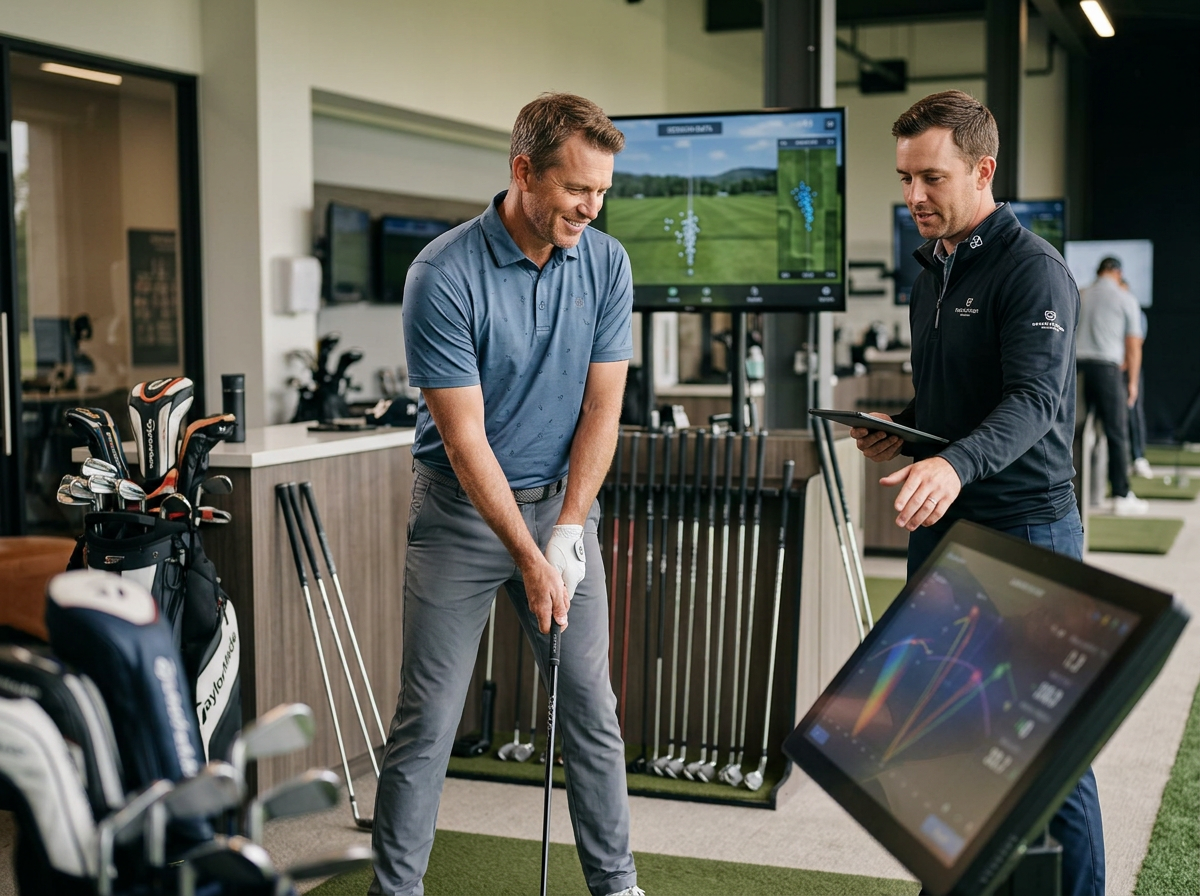
Golfers spend countless hours practicing swings, studying mechanics, and chasing consistency. However, many players overlook one of the biggest factors influencing performance: equipment fit. Even a technically sound swing becomes difficult to repeat when clubs, grips, shafts, or other gear do not match the golfer properly. That is why fitted golf equipment can dramatically improve consistency and overall confidence on the course.
Many golfers assume custom fitting only benefits professionals or low handicappers. In reality, golfers of every skill level can gain major advantages from equipment designed around their body type, swing speed, and playing style. Poorly fitted gear often forces golfers to compensate during the swing, which creates inconsistency and unnecessary tension.
Comfort also improves significantly with properly matched equipment. When clubs feel balanced and natural, golfers swing more freely and trust their movements more confidently. Consequently, rhythm, tempo, and ball striking usually improve over time.
Fitted golf equipment helps eliminate guesswork during both practice and competition. Instead of fighting uncomfortable clubs or unpredictable distances, golfers can focus on execution and decision-making.
Importantly, custom fitting does not guarantee perfection overnight. However, it creates a much stronger foundation for repeatable swings and reliable ball flight. Over time, this support helps golfers build confidence and enjoy the game more consistently.
Why Equipment Fit Matters More Than Many Golfers Realize
Many golfers buy clubs directly from retail shelves without considering how those clubs match their individual swing characteristics. Standard equipment may work reasonably well for some players, but golf swings vary greatly between individuals.
Height, posture, swing speed, hand size, flexibility, and tempo all influence how equipment performs. Consequently, clubs designed for average specifications may feel uncomfortable or inconsistent for many golfers.
Fitted golf equipment helps golfers swing naturally rather than forcing awkward adjustments. For example, clubs that are too long may encourage heel strikes and poor posture. Meanwhile, clubs that are too short often create toe contact and inconsistent balance.
Shaft selection also affects performance significantly. Swing speed and tempo determine how shafts load and release during the swing. Poorly matched shafts may create unpredictable ball flight and inconsistent contact.
Grip size matters as well. Small grips can encourage excessive hand action, while oversized grips may restrict release and feel. Comfortable grips help golfers maintain proper pressure and smoother tempo.
Lie angle adjustments improve turf interaction too. Incorrect lie angles may cause directional misses even when the swing itself feels solid. Properly fitted clubs allow the sole to interact with the ground more naturally through impact.
Golf becomes much simpler when equipment supports the golfer instead of working against them. Better comfort and cleaner contact usually lead to more confidence and repeatable performance.
How Consistency Improves With Better Club Fitting
Consistency in golf depends heavily on repeatable movement. When equipment feels awkward or difficult to control, golfers often make subconscious adjustments during the swing. Unfortunately, these compensations usually create unpredictable results.
Fitted golf equipment reduces the need for compensation because clubs match the golfer’s natural motion more effectively. Consequently, swings become more repeatable and balanced over time.
Distance consistency often improves first. Golfers begin striking the ball more cleanly and generating more reliable carry numbers. This helps players make smarter decisions on approach shots and course management.
Directional consistency also improves because fitted clubs support better clubface control. Golfers who previously struggled with unpredictable misses often notice tighter shot patterns after proper fitting.
Tempo benefits significantly as well. Clubs with suitable shaft weight and balance create smoother transitions during the swing. As a result, golfers maintain better rhythm and timing under pressure.
Importantly, consistency involves more than mechanics alone. Mental confidence plays a huge role in performance. Golfers who trust their equipment tend to commit more fully to shots and recover more calmly from mistakes.
Even small fitting adjustments can create noticeable improvements. Changes involving grip size, shaft flex, loft, or lie angle may dramatically affect ball flight and overall comfort.
Why Shaft Selection Changes Performance
Shaft fitting remains one of the most overlooked areas in golf equipment. However, shafts influence nearly every part of ball flight and swing feel.
Golfers with faster swing speeds often perform better with stiffer shafts because they provide more stability during transition and impact. Meanwhile, players with moderate or slower speeds may benefit from softer shafts that improve launch and feel.
Weight also matters significantly. Heavier shafts can improve control and tempo for stronger players, while lightweight shafts may help increase speed and reduce fatigue.
Fitted golf equipment includes shafts designed around the golfer’s swing profile rather than generic standards. Consequently, players experience better timing, improved feel, and more consistent contact.
Graphite and steel shafts create different performance characteristics too. Graphite often feels smoother and absorbs vibration better, while steel usually provides greater feedback and control.
Launch conditions change depending on shaft characteristics as well. Proper fitting helps golfers optimize spin rates, trajectory, and carry distance more effectively.
The Comfort Advantage of Properly Fitted Clubs
Comfort directly affects golf performance. When clubs feel too heavy, too stiff, or awkward during the swing, tension builds throughout the body. Tight muscles often lead to rushed swings and inconsistent contact.
Fitted golf equipment improves comfort by matching the golfer’s physical characteristics and movement patterns. As a result, swings feel more relaxed and athletic.
Grip comfort becomes especially important during longer rounds. Properly sized grips reduce hand fatigue and allow golfers to maintain lighter grip pressure throughout the day.
Club weight distribution also influences comfort significantly. Balanced clubs help golfers swing naturally without excessive effort or manipulation.
Golfers with physical limitations often benefit greatly from custom fitting. Seniors, beginners, and players recovering from injuries frequently experience improved comfort and reduced strain with properly matched equipment.
Confidence grows when equipment feels natural during setup and throughout the swing. Golfers stop worrying about compensations and begin focusing more clearly on target and execution.
How Club Fitting Improves Accuracy
Accuracy depends heavily on centered contact and predictable ball flight. Poorly fitted equipment often creates inconsistent impact conditions that lead to directional misses.
Fitted golf equipment helps golfers return the clubface more consistently at impact. Correct shaft characteristics, club length, and lie angles all contribute to improved directional control.
Club length affects impact location significantly. Longer clubs may encourage heel strikes, while shorter clubs often create toe contact. Properly fitted lengths improve strike quality and consistency.
Lie angle fitting also matters greatly for accuracy. Clubs that sit improperly at impact may cause shots to miss left or right even when swings feel solid.
Launch monitor technology now allows fitters to measure these variables precisely. Golfers can see measurable improvements in dispersion patterns and consistency during fitting sessions.
Confidence improves as accuracy improves too. Golfers who trust their ball flight usually swing more freely and commit more fully to targets under pressure.
Why Beginners Benefit From Fitted Equipment
Many golfers believe beginners should wait before investing in custom fitting. However, new players often gain some of the biggest advantages from properly matched equipment.
Poorly fitted clubs may reinforce bad habits early in development. Beginners frequently compensate for uncomfortable clubs without realizing it. Consequently, swing flaws become harder to correct later.
Fitted golf equipment allows new golfers to learn more naturally. Comfortable clubs encourage better posture, smoother tempo, and cleaner contact during practice.
Forgiveness also becomes extremely important for beginners. Properly fitted game-improvement clubs help newer players launch the ball more easily while reducing the punishment from off-center strikes.
Confidence plays a major role in learning golf as well. Beginners who experience better shots more consistently usually remain motivated and enjoy practice more.
Importantly, custom fitting does not always require expensive premium equipment. Even affordable clubs perform much better when matched properly to the golfer’s swing and physical needs.
How Technology Improved Club Fitting
Modern fitting technology has transformed the golf equipment industry dramatically. Launch monitors and swing analysis tools now provide detailed data about club performance and player tendencies.
Golfers can measure ball speed, spin rates, launch angles, carry distances, and dispersion patterns instantly. Consequently, fitters make more accurate recommendations based on measurable performance rather than guesswork.
Fitted golf equipment now becomes highly personalized because technology reveals how each golfer delivers the club during the swing.
Club fitting sessions also help golfers understand their own games more clearly. Players learn how swing speed, tempo, attack angle, and impact location influence ball flight and consistency.
Many fitters now allow golfers to compare multiple shafts, heads, and configurations side by side. This process helps players feel performance differences directly while seeing launch monitor data in real time.
Technology also improves wedge and putter fitting. Proper loft, lie angle, and weight distribution help golfers control distance and accuracy more effectively around the greens.
Mental Confidence and Better Decision-Making
Golf confidence often begins before the swing starts. Golfers who trust their equipment usually approach shots with greater calmness and commitment.
Fitted golf equipment reduces doubt because players understand how their clubs perform under different situations. Consequently, decision-making becomes more confident and consistent during rounds.
Golfers also recover better emotionally after mistakes when they trust their equipment. Instead of blaming unpredictable gear, players focus more clearly on execution and adjustment.
Pressure situations highlight the value of confidence even further. During important shots, golfers need equipment that feels predictable and comfortable.
Mental freedom matters because tension and hesitation often create poor swings. Comfortable, reliable equipment helps golfers maintain smoother tempo and better focus under pressure.
Consistency and confidence work together closely. As golfers experience better results with fitted clubs, trust continues growing over time.
Signs Your Equipment May Not Fit Properly
Many golfers continue using unsuitable clubs for years without realizing how much equipment affects performance. However, several common warning signs often indicate poor fit.
Frequent heel or toe strikes may suggest incorrect club length. Persistent hooks or slices sometimes result from unsuitable shafts or lie angles rather than pure swing flaws.
Golfers who feel uncomfortable during setup or struggle maintaining balance should consider professional fitting. Excessive tension or fatigue during rounds may also indicate equipment issues.
Inconsistent distances often signal shaft or loft problems. Similarly, golfers who struggle launching the ball properly may benefit from different club configurations.
Hand discomfort, blisters, or grip pressure problems sometimes relate directly to incorrect grip sizing. Proper grips improve comfort and reduce unnecessary tension.
Importantly, golfers should not assume poor performance always comes from technique alone. Equipment fit influences nearly every aspect of the game.
Long-Term Benefits of Fitted Equipment
Custom fitting creates benefits far beyond immediate performance gains. Over time, fitted clubs help golfers build more efficient swings and better practice habits.
Fitted golf equipment supports long-term consistency because golfers develop movements around comfortable and predictable tools. Consequently, practice becomes more productive and enjoyable.
Golfers often improve faster because fitted equipment provides clearer feedback and more repeatable results. Instead of constantly compensating, players focus more effectively on skill development.
Physical comfort also supports longevity in the game. Reduced strain and smoother movement help golfers practice and play more comfortably over the years.
Importantly, custom fitting encourages smarter equipment decisions overall. Golfers learn how specifications influence performance and avoid chasing marketing hype unnecessarily.
The game simply feels easier when equipment matches the golfer properly. Better contact, improved confidence, and more predictable ball flight all contribute to lower scores and greater enjoyment.
Ultimately, fitted golf equipment transforms consistency by helping golfers swing naturally and trust their performance more fully. While practice and instruction remain essential, equipment fit creates the foundation for reliable movement and long-term improvement.
Golf becomes far more enjoyable when clubs feel comfortable, balanced, and predictable. Instead of fighting unsuitable gear, golfers can focus on rhythm, confidence, and smarter course management.
Whether you are a beginner seeking more confidence or an experienced player chasing better consistency, fitted equipment offers one of the most effective ways to improve your overall game.
FAQ
1. Does custom fitting really improve golf consistency?
Yes, properly fitted clubs help golfers produce more repeatable swings, cleaner contact, and more consistent ball flight.
2. Are fitted clubs only for advanced golfers?
No, golfers of every skill level benefit from equipment matched to their swing and physical characteristics.
3. How often should golfers update their fitting?
Golfers should consider updating fittings every few years or whenever their swing, flexibility, or playing frequency changes significantly.
4. What part of club fitting matters most?
Shaft selection, club length, lie angle, and grip size all play major roles in comfort, accuracy, and consistency.
5. Can fitted equipment improve confidence on the course?
Absolutely. Golfers who trust their equipment usually swing more freely and make more confident decisions during rounds.