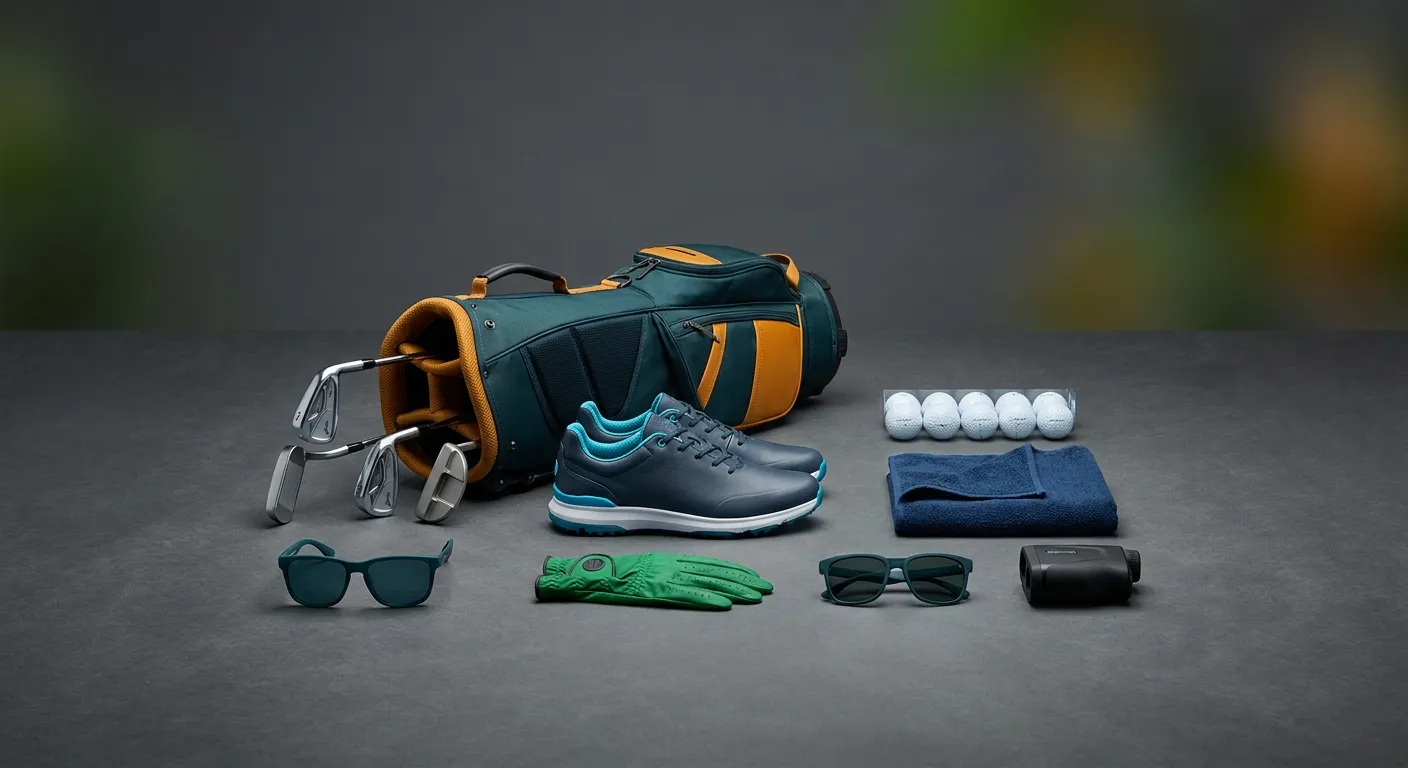
Starting golf can be incredibly exciting, but the sheer volume of equipment available often feels daunting. What do you really need to begin? At Golf Place, we cut through the noise to help you understand the essential golf gear beginners should prioritize. You certainly don’t need to break the bank or fill your garage with every gadget. Our focus is on getting you on the course with confidence and the right tools for an enjoyable start. Therefore, let’s explore the fundamental items that will make a real difference.
The Core Four: Clubs You Can’t Do Without
While a full set of 14 clubs is standard for experienced players, beginners can effectively start with a more manageable and affordable selection. Focusing on a few key clubs allows you to learn the basics without feeling overwhelmed. Furthermore, it helps you develop a feel for different shots before expanding your arsenal. This approach is highly recommended for those new to the sport.
Driver: For Those Long Tee Shots
Your driver is specifically designed for maximum distance off the tee. As a beginner, look for a driver with a larger clubhead (460cc) for a bigger sweet spot. This offers more forgiveness on off-center hits. Higher lofts (10.5-12 degrees) can also help get the ball in the air more easily. Don’t worry about hitting it perfectly straight every time; instead, focus on making solid contact. Many manufacturers offer excellent drivers tailored for higher handicappers, making the game more accessible. For more options, explore our Golf Clubs section.
Irons: Your Workhorses for Approach Shots
A good starting set of irons might include a 6-iron, 7-iron, 8-iron, 9-iron, and a Pitching Wedge (PW). These clubs cover a range of distances, typically from about 100-180 yards. For beginners, ‘game-improvement’ irons are ideal. They typically feature larger heads, wider soles, and perimeter weighting, all designed to make them more forgiving and easier to hit consistently. These will likely be your most used clubs on the course, so choose wisely. Consequently, investing in a decent set of these will significantly aid your progress.
Putter: The Scoring Club
Roughly 40% of your shots happen on the green, making the putter arguably the most important club in your bag. There are various styles available, including blade, mallet, and mid-mallet. However, for beginners, the primary focus should be on finding one that feels comfortable and helps you align easily. A putter with clear alignment aids can be very helpful. Don’t skimp on practice with this club; it’s where you save strokes and build confidence. After all, a good putting stroke can compensate for other imperfections.
Sand Wedge (SW): Escaping Trouble
A sand wedge is specifically designed for getting your ball out of bunkers. It is also quite useful for short chips around the green. It features a high loft and a ‘bounce’ angle that helps it glide through sand without digging in too much. Learning to use this club effectively will save you many strokes and a lot of frustration. Therefore, consider adding this to your initial set of essential golf gear beginners should acquire. Mastering bunker shots early on can be a huge advantage.
Beyond Clubs: Essential Accessories for the Course
With your core clubs selected, a few other items are absolutely necessary for a comfortable and prepared round. These accessories contribute significantly to your enjoyment and performance on the course. They are just as crucial as your clubs.
Golf Balls: Quantity Over Quality (Initially)
As a beginner, you’re going to lose balls. Lots of them, in fact. Consequently, don’t invest in premium, expensive golf balls right away. Opt instead for affordable, used, or ‘lake balls’ in bulk. Focus on finding a ball that is easy to see (white or bright colors) and offers decent durability. As your game improves, you can then experiment with different types. For example, explore various options in our Golf Shop.
Golf Bag: Carry or Cart?
For most beginners, a lightweight stand bag is an excellent choice. This type of bag has retractable legs, allowing it to stand upright on the course. It’s easy to carry and typically has enough pockets for your essential items. If you prefer riding in a cart, a cart bag is designed to fit securely. Consider your typical playing environment when making this decision. Many bags now offer comfortable straps, making walking the course more enjoyable. This choice is part of selecting your initial golf equipment.
Golf Shoes: Stability and Comfort
Proper golf shoes provide stability during your swing and comfort for walking the course. They typically feature spikes (soft or metal) or nubs for grip. Look for waterproof or water-resistant options, especially if you plan to play in various weather conditions. A comfortable pair can make a huge difference in your endurance and focus. This is a key piece of golf equipment for new players.
Golf Gloves: Better Grip, Fewer Blisters
A golf glove is worn on your non-dominant hand (left hand for right-handed golfers) to provide a better grip and prevent blisters. They come in various materials, including leather and synthetic. Try a few different sizes and materials to find what feels best. A secure grip is fundamental to a consistent swing. Many beginners overlook this item, but it is truly part of the essential golf gear beginners need.
Tees: Always Have Spares
Tees are small, inexpensive, but absolutely necessary. You’ll use them on every tee shot with your driver or woods. Keep a good supply in your bag, as they tend to break or get lost. Wooden tees are traditional, while plastic tees offer more durability. This might seem minor, but running out of tees mid-round is frustrating. Therefore, always stock up.
Understanding Golf Attire: Dress for Success (and Comfort)
While not strictly ‘gear,’ appropriate golf attire is vital for comfort, performance, and respecting club traditions. Many courses have dress codes, so it’s wise to be prepared. This section covers what to wear to ensure you feel confident and ready to play.
Shirts: Collared is Customary
Most golf courses require collared shirts for men, and often for women as well. Polo shirts made from moisture-wicking fabrics are ideal. They keep you cool and dry, especially during warmer rounds. Avoid t-shirts, tank tops, or shirts with distracting logos. Looking the part can even boost your confidence. This is an important part of your initial golf equipment considerations.
Bottoms: Trousers, Shorts, or Skirts
For men, golf trousers or golf shorts are standard. For women, golf trousers, skirts, or skorts are appropriate. Denim jeans are generally not permitted on the course. Choose comfortable, breathable fabrics that allow for a full range of motion during your swing. The right attire contributes to an overall positive experience. This falls under the broader category of golf equipment for new players.
Hats or Visors: Sun Protection
A hat or visor is highly recommended for sun protection. It helps keep the sun out of your eyes, allowing you to focus on your shot. Furthermore, it protects your face from harmful UV rays. Many golfers also find that a hat helps manage sweat. This simple item can significantly enhance your comfort, especially on sunny days. It’s a small but significant piece of golf equipment.
Practice Makes Perfect: Training Aids and Resources
Beyond the physical gear, consider how you will improve your game. The right training aids and resources can accelerate your learning curve. These are not necessarily part of the essential golf gear beginners need to step on the course, but they are crucial for progression. For further training resources, check out our Golf Training section.
Practice Balls and Mats: Home Training
Having a few foam practice balls or an impact mat allows you to practice your swing in your backyard or even indoors. This is incredibly useful for building muscle memory and refining your technique without needing to go to the driving range. Consistent, short practice sessions at home can lead to significant improvements on the course. This is a smart addition to any beginner’s golf equipment.
Golf Books and Online Resources: Knowledge is Power
Learning the rules of golf, etiquette, and basic swing mechanics from reputable sources is invaluable. There are many excellent golf books and online tutorials that can provide foundational knowledge. Understanding the game’s nuances will make your rounds more enjoyable and help you avoid common beginner mistakes. For example, the USGA provides comprehensive rules and etiquette guides. You can also explore our selection of Golf Books.
Lessons with a Pro: The Fastest Way to Improve
While not a piece of gear, investing in a few lessons with a PGA-certified professional is perhaps the single best thing a beginner can do. A pro can analyze your swing, correct bad habits before they become ingrained, and teach you proper fundamentals. This personalized guidance is far more effective than trying to figure everything out on your own. It’s an investment in your golf journey. Find a PGA Coach to start your lessons.
The Importance of Etiquette and Rules
Golf is a game steeped in tradition and respect. Understanding basic etiquette and rules is just as important as having the right golf equipment. It ensures an enjoyable experience for everyone on the course. This knowledge is part of being a well-rounded golfer.
Pace of Play: Keep Moving
One of the most important aspects of golf etiquette is maintaining a good pace of play. Be ready to hit when it’s your turn, and don’t spend excessive time searching for lost balls. If you’re holding up the group behind you, consider letting them play through. Efficient play benefits everyone. This is a sign of a considerate golfer.
Course Care: Leave it Better Than You Found It
Always repair your divots (the chunk of turf removed during a shot) and ball marks on the green. Rake bunkers after you’ve played out of them. These actions help maintain the course for all players. Respect for the course is a fundamental aspect of golf. Learn more about the Rules of Golf.
Building Your Bag: A Phased Approach
Remember, you don’t need all the essential golf gear beginners might eventually accumulate on day one. Start with the absolute necessities: a few key clubs, some balls, tees, a glove, and comfortable shoes. As you play more and develop your skills, you can gradually add more specialized clubs and accessories. This phased approach makes the initial investment more manageable and allows you to discover what truly benefits your game. Enjoy the process of learning and growing as a golfer. Golf Place is here to support your entire journey.
Conclusion: Enjoy the Journey
Embarking on your golf journey is an exciting adventure. By focusing on the essential golf gear beginners truly need, you can avoid unnecessary expenses and get straight to enjoying the game. Remember, golf is about having fun, learning, and continually improving. With the right basic golf equipment and a positive attitude, you’re well on your way to many memorable rounds. Welcome to the golfing community!
FAQ: Common Questions for New Golfers
What golf clubs should a beginner buy first?
A beginner should start with a driver, a few irons (like a 6, 7, 8, 9, and Pitching Wedge), a putter, and a sand wedge. This selection provides enough variety to cover most shots without overwhelming a new player with a full set of clubs.
How many golf balls does a new player need?
New players tend to lose more balls, so it’s advisable to have at least a dozen or two inexpensive golf balls. Focus on quantity over premium quality initially, as you’ll likely go through several during your first few rounds.
Is a golf glove really necessary for a beginner?
Yes, a golf glove is highly recommended. It improves your grip on the club, especially in humid conditions, and helps prevent blisters, making your practice and play much more comfortable. Wear it on your non-dominant hand.
What kind of golf bag is best for someone just starting out?
For most new golfers, a lightweight stand bag is ideal. It allows you to easily carry your clubs and has retractable legs to stand upright. If you plan to ride in a cart frequently, a cart bag is also a good option.
Should a new golfer get golf lessons right away?
Absolutely. Investing in lessons from a qualified golf professional is one of the most effective ways for a new golfer to learn proper fundamentals, correct bad habits early, and accelerate their improvement. It’s a valuable investment in your golf development.