Why the Right Golf Gear Really Matters
Buying golf equipment can feel overwhelming, especially with so many options available for every budget and skill level. Whether you’re just starting out or refining your game, the right gear makes all the difference
So, if you’re wondering whether it’s time to upgrade your clubs, what type of balls fit your game, or how to choose gear that actually matches your skill level — you’re in the right place.
Understanding Your Skill Level
Before diving into product recommendations, it’s important to identify where you are on your golfing journey.
Beginner (0–1 year of experience)
- Just getting the hang of it
- Struggles with consistency
- Needs forgiving equipment
Intermediate (1–5 years of experience)
- Developing a consistent swing
- Understands different clubs
- Starting to consider distance, spin, and control
Advanced (5+ years, low handicap)
- Precision and customization matter
- Knows personal playstyle and preferences
- Ready for premium gear
Essential Golf Equipment Checklist
Every golfer needs a basic toolkit. Here’s the breakdown, no matter your level:
Clubs
- Driver
- Woods (3-wood, 5-wood)
- Irons (3–9)
- Wedges (pitching, sand, lob)
- Putter
Golf Balls
- Different types for spin, feel, and distance
Bag & Accessories
- Carry or cart bag
- Tees, gloves, ball markers
- Rangefinder or GPS
Golf Clubs: Matching the Set to Your Skill
Beginner: Go Forgiving or Go Home
Hitting the sweet spot every time? Not likely when you’re new. Look for:
- Large clubfaces
- Cavity-back irons
- Lightweight graphite shafts
- Complete beginner sets
Intermediate: Start Tweaking the Details
Now’s the time to:
- Explore hybrid clubs
- Use game-improvement irons
- Consider a driver upgrade for distance and control
Advanced: Time for Precision Instruments
If your swing is consistent:
- Choose forged irons
- Opt for adjustable drivers and fairway woods
- Invest in custom fitting
Drivers: Your Distance Weapon
Beginner
- Max forgiveness
- 10.5°–12° loft
- Larger sweet spot
Intermediate
- Adjustable hosels
- Mid-to-high MOI (Moment of Inertia)
Advanced
- Low-spin models
- Tailored shaft flex
- Launch monitor testing encouraged
Irons: The Workhorses
Beginner
- Wide soles
- Perimeter weighting
- More launch, less punishment
Intermediate
- Combo sets (hybrids + irons)
- Steel shafts for better control
Advanced
- Blades or player’s irons
- Thin toplines
- High workability
Wedges: Scoring Short Game Magic
Don’t overlook these — they save more strokes than your driver ever will.
Beginner
- Sand and pitching wedge are plenty
- High bounce helps with chunked shots
Intermediate
- Add a gap wedge (GW)
- Test different grinds
Advanced
- Carry 3–4 wedges
- Custom grinds
- Groove sharpness matters
Putters: The Personal Feel Club
You’ll use it the most, so don’t skimp.
Beginner
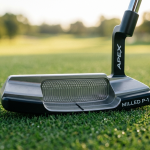
- Mallet style
- Alignment aids
- Face-balanced designs
Intermediate
- Test toe hang vs. face balanced
- Mid-size grips
Advanced
- Custom fit
- Precision-milled faces
- Counterbalance options
Golf Balls: It’s Not Just a White Sphere
Beginner
- 2-piece construction
- Low compression
- Focus on durability
Intermediate
- Urethane cover
- Balance between distance and spin
Advanced
- Tour balls with multi-layer construction
- Tailored to swing speed and spin needs
Golf Bags: Cart, Stand, or Hybrid?
Beginner
- Lightweight stand bags
- Basic dividers
Intermediate
- Hybrid bags with full-length dividers
- Comfortable straps
Advanced
- Cart bags with ample storage
- Premium materials
Golf Technology: Modern Tools to Elevate Your Game
Rangefinders & GPS
- Beginner: App-based GPS
- Intermediate: Basic rangefinder
- Advanced: Tournament-ready rangefinder with slope
Swing Analyzers
- For those wanting to dissect every swing
- Pair with smartphone apps for feedback
Launch Monitors
- Great for fitting clubs
- Helpful in building a data-driven practice routine
Shoes, Gloves, and Apparel: Comfort Meets Performance
Shoes
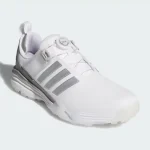
- Beginner: Spikeless for walking ease
- Advanced: Spiked models for grip and power
Gloves
- Get a snug, comfortable fit
- Replace when worn
Clothing
- Moisture-wicking
- UV-protection
- Consider weather adaptability
When and How to Upgrade Equipment
Signs You Need New Gear
- Worn grooves
- Shaft damage
- Inconsistent performance
Tips for Upgrading
- Start with most-used clubs: putter, wedges, driver
- Always test before you buy
- Consider getting fit by a pro
Budgeting Tips: Quality Without Breaking the Bank
Beginner
- Stick to value sets or secondhand gear
- Don’t overbuy early
Intermediate
- Upgrade piece by piece
- Take advantage of off-season sales
Advanced
- Invest in quality over quantity
- Fitting pays off in long-term savings
Should You Get Fitted? Absolutely.
Club fitting is no longer just for pros.
Why Get Fitted?
- Optimizes distance, accuracy, and comfort
- Helps eliminate bad habits
When to Get Fitted
- You’ve been playing consistently
- Ready to buy higher-end gear
Common Mistakes When Buying Golf Equipment
- Buying what the pros use. Their gear is custom-fit for elite swings.
- Ignoring shaft flex. It drastically affects launch and control.
- Skipping a putter fitting. It’s your most-used club, remember?
- Not testing before buying. Always swing before you swipe.
- Overspending early. Let your game develop first.
Conclusion: Gear Up for Success, One Swing at a Time
Buying golf equipment isn’t about grabbing the fanciest club on the shelf. It’s about knowing yourself — your game, your goals, and your growth. Whether you’re hunting for forgiveness or chasing that buttery feel of a flush 7-iron, there’s gear out there for every stage of your journey.
Start smart, stay informed, and remember: it’s not about what’s in the bag — it’s what you do with it that counts.
FAQs
- What’s the best golf set for beginners on a budget?
Look for complete box sets from brands like Wilson or Callaway Strata. They’re affordable, forgiving, and include everything you need to get started. - How often should I upgrade my golf clubs?
Every 3–5 years is common, or sooner if your game improves significantly or your clubs show wear. - Do expensive golf balls make a difference?
Yes — but mostly for intermediate to advanced players. Beginners benefit more from durable, low-compression balls. - Is custom fitting worth it for high handicappers?
Absolutely. Fitting helps you play more comfortably and consistently, even if you’re still learning. - Can I mix and match clubs from different brands?
Yes! Many players build a “Frankenbag” of clubs they love from various brands. Just make sure they work together for your swing.