
Most golfers spend significant time choosing drivers, irons, wedges, and putters while overlooking one of the most important pieces of equipment in the game: the golf ball. Every shot begins and ends with the ball, yet many golfers simply buy whatever model feels popular or affordable. That is why custom golf ball fitting has become an increasingly valuable part of modern golf improvement.
Different golf balls perform very differently depending on swing speed, launch conditions, spin rates, and short-game preferences. A ball designed for one golfer may produce poor results for another player with a different swing profile. Consequently, using the wrong ball often leads to lost distance, inconsistent spin, and poor feel around the greens.
Custom golf ball fitting helps golfers identify the ball that best matches their swing and playing style. Instead of guessing, players can evaluate performance through launch monitor data, short-game testing, and real-course experience.
Many golfers immediately notice better consistency after switching to a properly fitted golf ball. Improved launch conditions, optimized spin, and better control often create noticeable scoring advantages over time.
Feel also plays a huge role in confidence. Golfers who trust how the ball reacts during full swings, chips, and putts usually perform more comfortably under pressure. Therefore, choosing the right golf ball involves much more than simply chasing maximum distance.
Why Golf Ball Selection Matters So Much
Every golf ball reacts differently during impact. Compression, cover material, dimple pattern, and construction all influence ball flight, spin, feel, and control. Because of this, golf ball choice affects nearly every shot throughout a round.
Custom golf ball fitting allows golfers to match ball characteristics with swing tendencies and performance goals. Consequently, players gain more predictable results and improved consistency.
Distance often becomes the first noticeable improvement. Some golfers lose yardage because they use balls with compression ratings that do not match their swing speed. Lower swing speed players may struggle compressing firmer balls efficiently, while faster swingers sometimes create excessive spin with softer options.
Spin control also matters significantly. High-spin players may benefit from lower-spinning models that improve accuracy and reduce ballooning ball flights. Meanwhile, golfers needing more stopping power around the greens often prefer softer urethane-covered balls with greater spin potential.
Feel remains extremely personal as well. Some golfers enjoy a soft sensation off the putter face, while others prefer firmer feedback during impact. The right feel creates greater confidence and comfort throughout the round.
Importantly, golf ball fitting helps golfers understand how different models influence scoring performance rather than focusing only on marketing claims or professional endorsements.
How Ball Compression Affects Performance
Compression refers to how much a golf ball deforms during impact. This characteristic influences launch, spin, feel, and energy transfer throughout the swing.
Golfers with slower swing speeds generally perform better with lower-compression balls because they compress more easily during impact. Consequently, players often achieve better launch conditions and increased distance.
Custom golf ball fitting helps determine whether compression levels match the golfer’s swing profile properly. Many golfers unknowingly use balls that feel too firm or unresponsive because the compression does not suit their speed.
Higher swing speed players usually benefit from firmer balls because they maintain stability and control during aggressive swings. Softer balls sometimes create excessive spin or inconsistent ball flight for stronger players.
Feel changes significantly depending on compression too. Lower-compression balls often feel softer during putting and short-game shots, while firmer models provide more solid feedback.
Weather conditions influence compression performance as well. Colder temperatures generally make golf balls feel firmer, which affects distance and feel during winter rounds.
Importantly, compression alone does not determine ball quality. Golfers should evaluate total performance rather than assuming softer or firmer always means better.
Why Spin Rates Matter in Ball Fitting
Spin affects nearly every aspect of golf ball performance. Too much spin can reduce distance and increase directional misses, while too little spin may limit stopping power and control.
Custom golf ball fitting helps golfers optimize spin rates based on swing characteristics and scoring priorities. Consequently, players gain more balanced performance throughout the bag.
Driver spin especially influences distance and accuracy. Excessive spin often creates high, weak ball flights that lose carry and become vulnerable to wind. Lower-spinning balls may help golfers maximize distance while improving control off the tee.
Iron spin matters differently. Approach shots require enough spin to stop effectively on greens while maintaining predictable trajectories and carry distances.
Short-game spin becomes extremely important around the greens. Golfers who rely heavily on chips, pitches, and delicate wedge shots often prefer premium balls with urethane covers because they generate more control and stopping power.
Golfers should remember that higher spin is not always better. Some players create naturally high spin rates already, so additional spin may actually reduce consistency.
How Feel Influences Confidence
Feel remains one of the most personal aspects of golf ball performance. Some golfers prefer a soft sensation during putting and wedge shots, while others enjoy firmer feedback throughout the bag.
Custom golf ball fitting helps golfers identify which feel characteristics improve confidence and comfort most effectively. Since confidence affects decision-making and swing freedom, feel becomes far more important than many players realize.
Putting often highlights feel preferences clearly. Golfers who enjoy the sound and response of a particular ball tend to develop greater trust on the greens. Consequently, speed control and confidence frequently improve.
Short-game feel matters significantly too. Delicate chips and pitches require touch and creativity, so golfers usually perform better when they trust how the ball reacts during impact.
Full-swing feel also influences tempo and comfort. Some golfers swing more freely with softer-feeling balls, while others prefer the stability and feedback of firmer models.
Importantly, feel should complement performance rather than override it completely. A ball that feels great but performs poorly off the tee may still hurt scoring overall.
The Difference Between Premium and Distance Balls
Golf ball categories often confuse many players. Premium tour balls, distance balls, and mid-level options all target different performance goals and golfer profiles.
Premium balls typically use multi-layer construction and urethane covers. These designs provide greater spin control, softer feel, and better greenside performance. However, they usually cost more than basic distance-focused options.
Custom golf ball fitting helps golfers determine whether premium performance actually benefits their games enough to justify the higher cost.
Distance balls usually prioritize reduced spin and increased durability. Many feature firmer covers and lower spin characteristics designed to maximize distance and straightness.
Mid-level balls attempt balancing feel, spin, forgiveness, and affordability. These options often suit recreational golfers seeking versatile performance without premium pricing.
Swing speed, scoring priorities, and budget all influence the ideal category for each golfer. Consequently, there is no universal “best” golf ball for every player.
How Launch Monitors Improve Ball Fitting
Modern launch monitor technology has transformed golf ball fitting dramatically. Instead of relying only on feel or marketing claims, golfers can now measure performance data accurately.
Ball speed, launch angle, spin rate, carry distance, and dispersion patterns all reveal how different balls perform for individual swings. Consequently, golfers make smarter decisions based on measurable results.
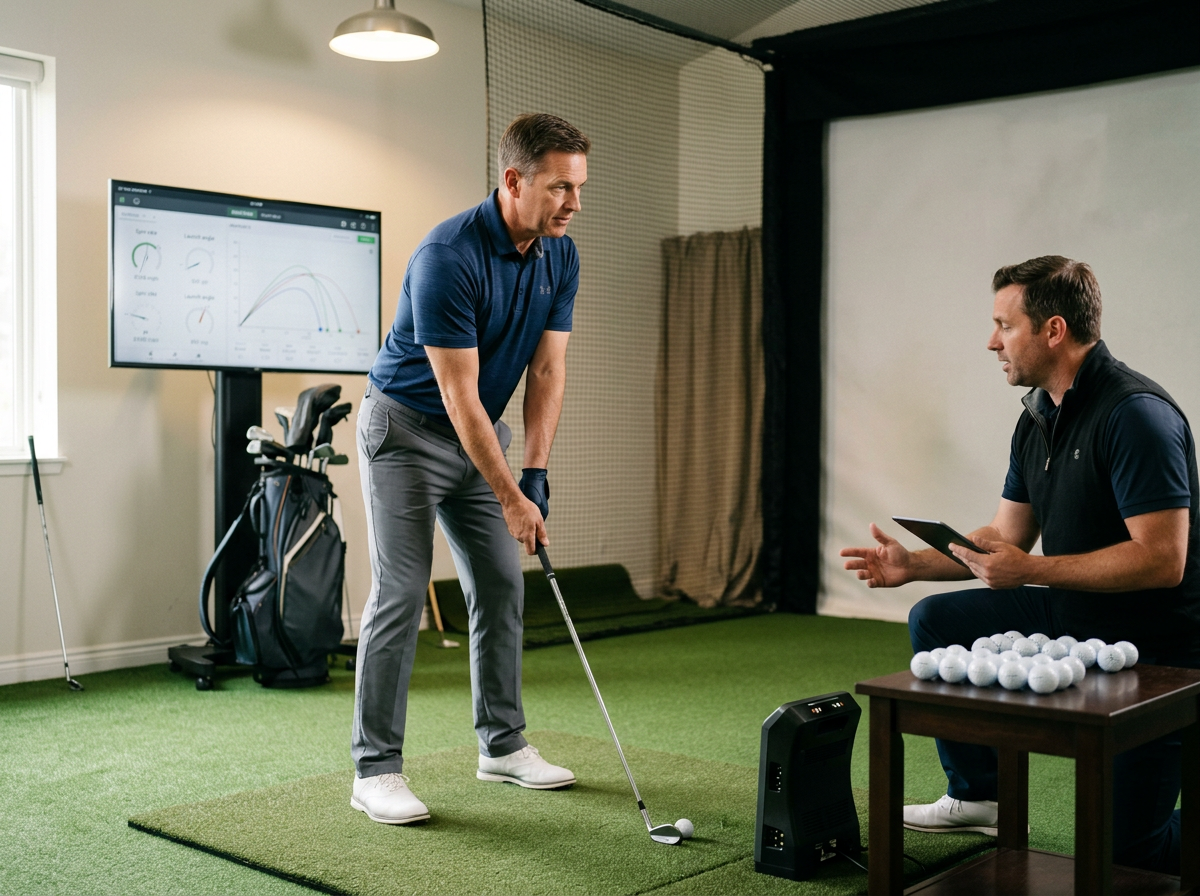
Custom golf ball fitting sessions often compare multiple ball models side by side using identical clubs and swing conditions. This process helps golfers see how small changes affect overall performance.
Launch monitor data frequently surprises golfers. Some players discover they gain more accuracy with lower-spinning balls, while others improve carry distance by switching compression levels.
Wedge and short-game testing also becomes more precise with modern technology. Golfers can evaluate spin consistency and rollout behavior more effectively around the greens.
Importantly, fitters usually combine launch monitor testing with feel evaluations and on-course considerations. This balanced approach creates more realistic recommendations.
Why Consistency Improves With the Right Ball
Consistency remains one of the biggest advantages of using the correct golf ball. When performance characteristics match the golfer’s swing profile, shots become more predictable throughout the round.
Custom golf ball fitting improves consistency because launch, spin, and feel remain more stable under different conditions. Consequently, golfers gain greater trust in their distances and trajectories.
Distance consistency becomes especially valuable during approach shots. Predictable carry numbers help golfers attack pins more confidently and avoid costly mistakes.
Directional consistency often improves as well. Golfers using lower-spinning driver balls may notice straighter shots and tighter dispersion patterns off the tee.
Short-game consistency matters just as much. Players who trust rollout and spin behavior around the greens usually chip and pitch with greater confidence.
Mental confidence grows alongside physical consistency too. Golfers who understand how their ball reacts under pressure often commit more fully to swings and decisions.
Common Mistakes Golfers Make With Ball Selection
Many golfers choose golf balls based solely on price, brand popularity, or professional endorsements. Unfortunately, these decisions often ignore personal swing characteristics and playing needs.
One common mistake involves assuming premium balls always improve performance. While tour-level models offer excellent short-game control, some golfers lose distance or consistency because spin rates become excessive.
Custom golf ball fitting helps golfers avoid these mismatches by focusing on individual performance rather than marketing trends.
Another mistake involves constantly changing ball models. Switching frequently creates inconsistency because feel, spin, and launch characteristics vary between brands and constructions.
Golfers also underestimate the importance of using the same ball consistently during practice and play. Familiarity helps develop better touch and distance control over time.
Ignoring short-game performance creates problems too. Many golfers focus heavily on driver distance while overlooking how ball choice affects scoring shots around the greens.
How Golf Ball Fitting Helps Different Skill Levels
Golfers of every skill level benefit from proper ball fitting. Beginners often gain improved launch and forgiveness, while experienced players refine spin and control characteristics more precisely.
Higher handicappers frequently improve accuracy and distance consistency after finding balls that reduce excessive spin and optimize launch conditions.
Custom golf ball fitting also helps seniors and slower swingers maximize carry distance without sacrificing feel or control.
Advanced golfers often prioritize greenside spin and shot-shaping ability. Fitting helps these players fine-tune performance around scoring areas and under pressure situations.
Junior golfers benefit too because swing speed changes rapidly during development. Proper ball fitting supports smoother progression and more enjoyable practice experiences.
Importantly, fitting does not require professional-level skill. Every golfer deserves equipment that matches individual performance needs and playing style.
Long-Term Benefits of Playing the Right Golf Ball
The benefits of proper golf ball selection extend far beyond immediate distance gains. Over time, golfers develop better consistency, stronger confidence, and more predictable scoring performance.
Custom golf ball fitting creates trust because golfers understand how the ball reacts during every type of shot. Consequently, decision-making becomes simpler and more confident on the course.
Distance control improves significantly with consistent ball performance. Players begin learning exact carry numbers and rollout tendencies more accurately over time.
Short-game confidence also grows because golfers understand spin reactions and feel characteristics more clearly around the greens.
Practice becomes more effective as well. Using one fitted ball consistently helps golfers develop better touch, tempo, and shot expectations throughout the bag.
Importantly, golf becomes more enjoyable when equipment supports performance naturally. Players spend less time guessing and more time focusing on strategy and execution.
Ultimately, custom golf ball fitting remains one of the most overlooked ways to improve golf performance. While many golfers obsess over clubs and swing changes, the golf ball directly influences every shot during the round.
The right ball improves distance, consistency, feel, spin control, and confidence all at the same time. Small performance gains across multiple areas often create major scoring improvements over time.
Golfers who invest time into proper ball fitting usually develop better understanding of their games while making smarter equipment decisions overall. Whether you are a beginner seeking forgiveness or an experienced player chasing scoring precision, the correct golf ball can transform how the game feels and performs.
FAQ
1. What is golf ball fitting?
Golf ball fitting helps golfers find the ball that best matches their swing speed, spin rates, feel preferences, and scoring needs.
2. Does golf ball compression really matter?
Yes, compression affects launch, distance, feel, and energy transfer during impact, especially for different swing speeds.
3. Can the wrong golf ball reduce distance?
Absolutely. Poorly matched compression or excessive spin can reduce carry distance and overall consistency.
4. Why do tour players use premium golf balls?
Premium balls provide better spin control, feel, and short-game performance for advanced shot-making and scoring precision.
5. Should beginners use premium golf balls?
Not always. Some beginners benefit more from forgiving, lower-spinning balls that improve distance and accuracy.