
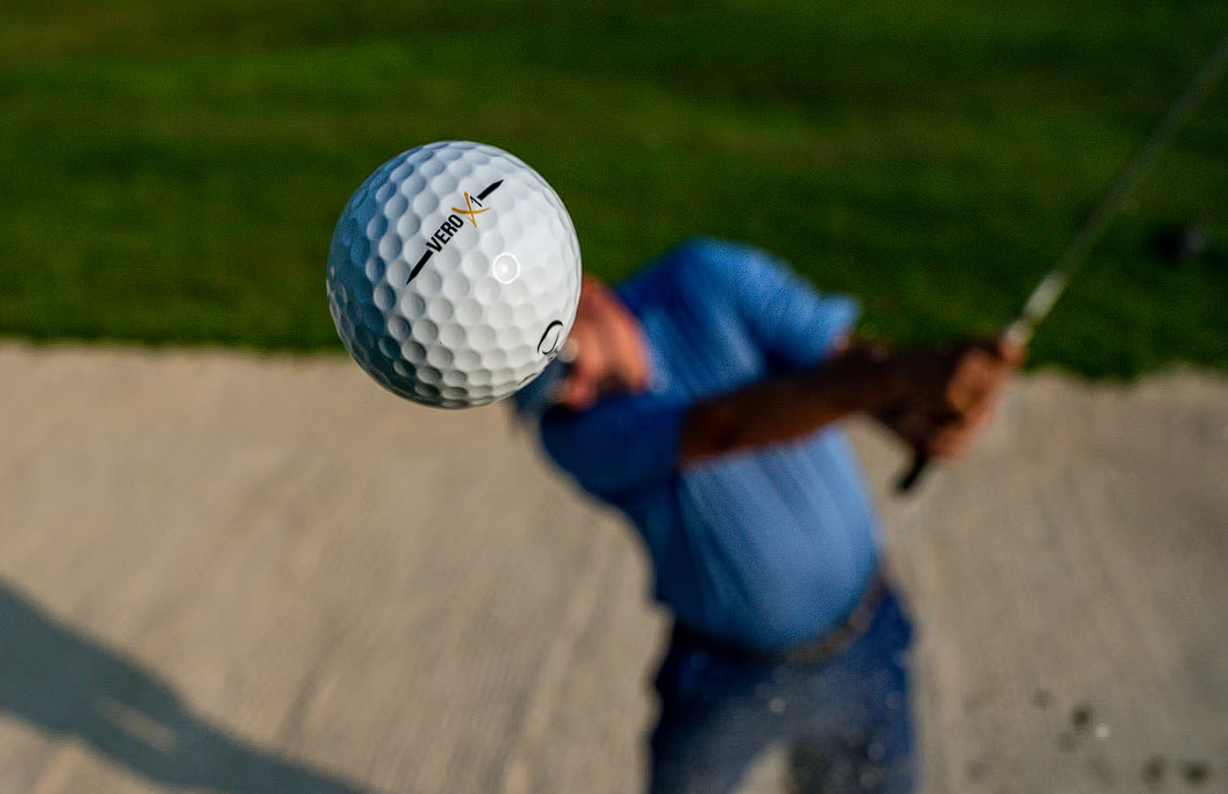
The Right Ball Makes a Big Difference — Especially for High Handicappers
Let’s get one thing straight — the golf ball you use matters. A lot. If you’re a high handicapper still working on consistency, distance, and control, the wrong ball can exaggerate your mistakes. But the right golf ball? It can help you hit it straighter, farther, and with way less frustration.
If you’re wondering what the best golf balls are for high handicappers, you’re in the right place. We’ve broken it down into what to look for, what to avoid, and which balls actually help you play better without breaking the bank.
What Makes a Golf Ball Great for High Handicappers?
1. Soft Feel
You want a ball that feels soft off the clubface — this helps with control, especially around the greens. Softer balls compress more easily, which is ideal for slower swing speeds.
2. Low to Mid Compression
Lower compression balls are easier to launch and generate more distance with slower swings. They also tend to reduce side spin — helping you hit it straighter.
3. Affordable Price Tag
You’re still learning, so losing a few balls per round is normal. Skip the $50 tour-level balls. Look for value without sacrificing performance.
4. Extra Forgiveness on Mis-Hits
Balls with a softer cover and simple construction (usually 2 or 3-piece) help reduce spin and side spin, which leads to fewer slices and hooks.
Top 8 Best Golf Balls for High Handicappers
1. Callaway Supersoft
- Why it’s great: Ultra-low compression (38), very soft feel, and excellent forgiveness. One of the best-selling balls for a reason.
- Best for: Beginners and high handicappers who want distance, soft feel, and affordability.

2. Srixon Soft Feel

- Why it’s great: 60 compression rating makes it easy to compress even with slower swings. Launches high and flies straight.
- Best for: High handicappers looking for consistent performance and a clean, classic look.
3. Titleist TruFeel
- Why it’s great: Titleist’s softest ball with a lower spin profile for longer distance and more accuracy off the tee.
- Best for: Golfers who want the trusted Titleist name in a more forgiving and budget-friendly package.

4. Bridgestone e6

- Why it’s great: Redesigned for distance with reduced sidespin to help minimize hooks and slices.
- Best for: Players looking to straighten out their ball flight without giving up yardage.
5. TaylorMade Soft Response
- Why it’s great: Soft ionomer cover and low compression for a high, straight ball flight. Great greenside feel too.
- Best for: High handicappers who want a mix of distance, feel, and control.

6. Wilson Duo Soft+

- Why it’s great: One of the softest balls on the market. Very forgiving, very affordable.
- Best for: Budget-conscious golfers who need help with distance and feel.
7. Pinnacle Soft
- Why it’s great: High-energy core and low compression design equals long, forgiving drives.
- Best for: High handicappers who want basic distance without any fluff or flash.

8. Vice Drive

- Why it’s great: Budget-friendly, low-compression ball with good performance and solid durability.
- Best for: Casual players and weekend golfers looking for value and forgiveness.
What to Avoid as a High Handicapper
Tour-Level Balls Like Pro V1 or TP5
These premium balls are designed for high swing speeds and spin control — not forgiveness. They’re expensive, spinny, and punishing for inconsistent ball striking.
Urethane Covers
Unless you’re a short-game wizard, urethane covers are too soft and often unnecessary. Stick with ionomer or surlyn covers for durability and distance.
High Compression Balls
Harder balls require faster swing speeds to get the most out of them. If you swing under 90 mph, you’re leaving distance on the table.
Should You Use Colored Golf Balls?
Yes — and here’s why:
- Easier to find in rough or leaves
- Boosts confidence when you can track flight better
- Many high-handicap-friendly balls come in yellow, orange, red, or matte finishes
Color is personal, but visibility = fewer lost balls = lower scores.
How to Choose the Right Ball for YOU
- Know Your Swing Speed
If you swing under 90 mph, go with a low compression ball (like Callaway Supersoft or Wilson Duo Soft). - Track Your Misses
Hooking or slicing a lot? Choose a low-spin ball like the Bridgestone e6. - Want More Height?
Soft Response or Srixon Soft Feel offer higher launch profiles that help shots stay airborne longer. - Losing Too Many Balls?
Choose affordable options like Vice Drive or Pinnacle Soft — great performance without the guilt when one sails OB.
When Should You Switch to a “Better” Ball?
- You’re breaking 90 regularly
- You’ve gained more clubhead speed (95+ mph)
- You want more spin/control around the greens
Until then, stick with consistency and forgiveness. Master your swing — then upgrade your ball.
Conclusion
For high handicappers, the best golf balls are all about distance, forgiveness, and feel — not fancy tech or tour-level spin. The right ball helps reduce your slice, adds a few extra yards, and gives you a little wiggle room when contact isn’t perfect. Whether you choose the soft and straight Callaway Supersoft, the reliable Srixon Soft Feel, or the budget-friendly Vice Drive, you’ll be playing smarter and scoring better in no time.
So go ahead — pick the right ball and play with confidence. Your scorecard will thank you.
FAQs
- Should high handicappers use soft or hard golf balls?
Soft balls are better — they compress more easily and provide extra distance and control for slower swings. - Do expensive golf balls make a big difference?
Not for most high handicappers. Affordable balls like the Callaway Supersoft or Bridgestone e6 offer plenty of performance without the premium price. - Is it okay to mix different golf balls during a round?
Technically, yes — but it’s best to stick with one model per round to keep your feel and distances consistent. - How many layers should a high handicapper look for in a golf ball?
Two or three layers (2-piece or 3-piece) are ideal. More layers typically mean more spin and less forgiveness. - Can the right ball really improve my game?
Absolutely. While it won’t fix your swing, the right ball can help you hit straighter, longer, and feel more confident — which all leads to lower scores.