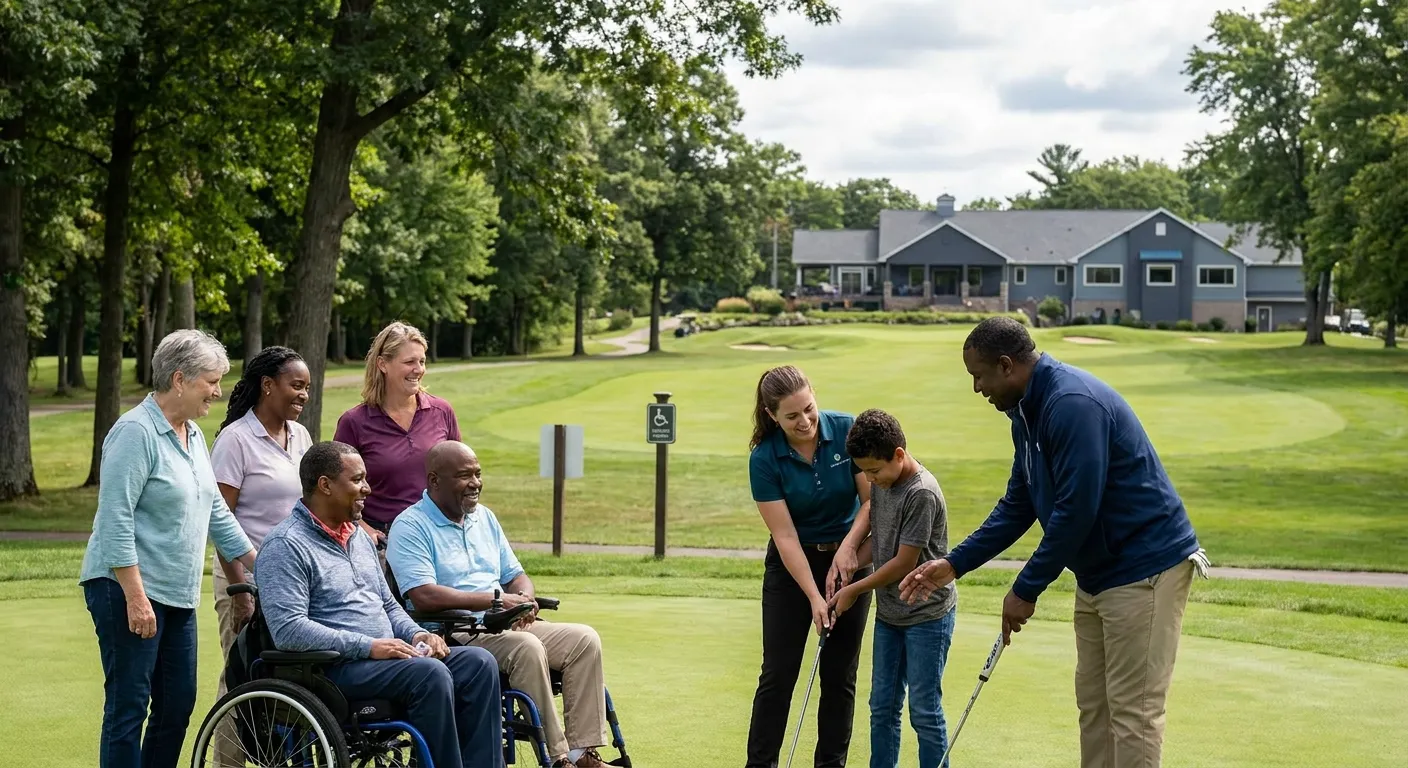
Golf has long carried a reputation for exclusivity, but that image is rapidly changing. Today, a vibrant movement is underway to build a truly inclusive golf community, welcoming players of all ages, genders, and abilities to experience the joy and benefits of the sport. With women’s participation up 46% since 2019 and a surge in younger players, golf is embracing its social and wellness aspects like never before. At Golf Place, we’re dedicated to fostering this evolution, ensuring that everyone feels like golf is their game, their way.
The global golf equipment market is booming, driven by a diversified audience seeking accessible and engaging recreational options. This growth is directly linked to initiatives that break down traditional barriers, making golf less intimidating and more approachable. From modified courses to adaptive equipment, the focus is on creating environments where everyone can thrive and enjoy the unique lifestyle golf offers. Consequently, more people are discovering the sport.
Building Bridges: Pillars of an Inclusive Golf Community
Creating an inclusive environment requires more than just good intentions; it demands deliberate action and thoughtful programming. It’s about recognizing diverse needs and actively working to meet them. Furthermore, it involves a commitment from clubs, coaches, and existing players to embrace new perspectives.
Strategies for Fostering an Inclusive Golf Community
Many golf clubs and organizations are introducing accessible entry points. These include affordable lesson packages, shorter course options (like 9-hole play), and relaxed dress codes. For example, many facilities now offer introductory clinics at a lower cost. This helps new players get started without a significant financial commitment. Moreover, some courses are designing shorter loops specifically for beginners or juniors. This reduces the time commitment and intimidation factor. The emphasis is on fun and learning, not just strict adherence to traditional rules.
Another crucial strategy involves promoting adaptive golf programs. These programs cater to individuals with physical or cognitive disabilities. Specialized equipment, like single-rider golf carts, allows players with mobility challenges to navigate courses effectively. The National Alliance for Adaptive Golf, for instance, provides resources and support for these initiatives. Additionally, coaches are receiving training to work with diverse populations. This ensures that instruction is tailored to individual needs. Consequently, more people can participate and enjoy the sport.
Investing in junior golf is also paramount for building a truly inclusive golf community. Programs like PGA Junior League and First Tee introduce children to golf in a fun, team-oriented setting. These programs teach not only golf skills but also important life values such as honesty, respect, and perseverance. By making golf accessible and enjoyable for youngsters, we cultivate a lifelong love for the game. This also ensures the future of the sport is diverse and welcoming. In fact, many junior programs offer equipment rentals, removing another barrier to entry.
The Role of Technology in Expanding Golf’s Reach
Technology plays a significant role in making golf more accessible. Simulation golf, for example, allows people to play famous courses indoors, regardless of weather or physical limitations. Virtual golf coaching helps you improve faster by providing instant feedback and personalized instruction. This is especially beneficial for beginners who might feel intimidated on a traditional course. Similarly, golf tracking devices that boost performance can help players of all levels understand their game better. This data-driven approach removes some guesswork and makes improvement more tangible. Therefore, technology is a powerful tool for inclusion.
Furthermore, online communities and social media platforms are connecting golfers globally. These digital spaces offer opportunities for players to share experiences, ask questions, and find local groups. This fosters a sense of belonging, especially for those who might not have a strong local network. It helps reinforce the idea of an inclusive golf community. In addition, many brands and organizations use these platforms to promote diversity initiatives and highlight inspiring stories of golfers from all backgrounds. This visibility is vital for changing perceptions.
Equipment and Apparel for Every Golfer
The evolution of golf equipment and apparel also contributes to a more accessible sport. Manufacturers are now designing clubs and gear that cater to a wider range of players. For instance, lighter clubs are available for juniors and seniors. Women’s specific clubs are also increasingly common. This focus on customization ensures that every player can find equipment that suits their physical capabilities and swing characteristics. Indeed, club customization benefits for better golf performance are no longer just for pros. Everyone can benefit from properly fitted clubs.
Apparel has also become more diverse and comfortable. Stretchable golf pants for comfort and flexibility are widely available, moving away from restrictive traditional attire. Moisture-wicking golf shirts for all-day comfort ensure players stay cool and dry, regardless of body type or weather conditions. This shift towards functional, comfortable, and stylish clothing helps players feel more confident and at ease on the course. Moreover, options like anti-slip golf grips for comfort and stability and cushioned golf grips for better comfort and feel are designed to enhance the playing experience for everyone, including those with arthritis or other hand conditions. These small but significant changes make golf more enjoyable for a broader audience.
Breaking Down Barriers: Addressing Common Challenges
Despite progress, challenges remain in creating a fully inclusive golf community. Perceptions of golf being expensive or exclusive still deter many potential players. Therefore, it’s crucial for clubs and organizations to actively market their affordable programs and welcoming environments. Clear communication about dress codes, equipment needs, and membership options can demystify the sport for newcomers.
Time commitment is another barrier. Many people perceive golf as a lengthy sport, requiring several hours for a full round. Promoting 9-hole options, executive courses, and even par-3 courses can help. These alternatives offer a quicker, more casual way to enjoy the game. Furthermore, events like
Related reading: