
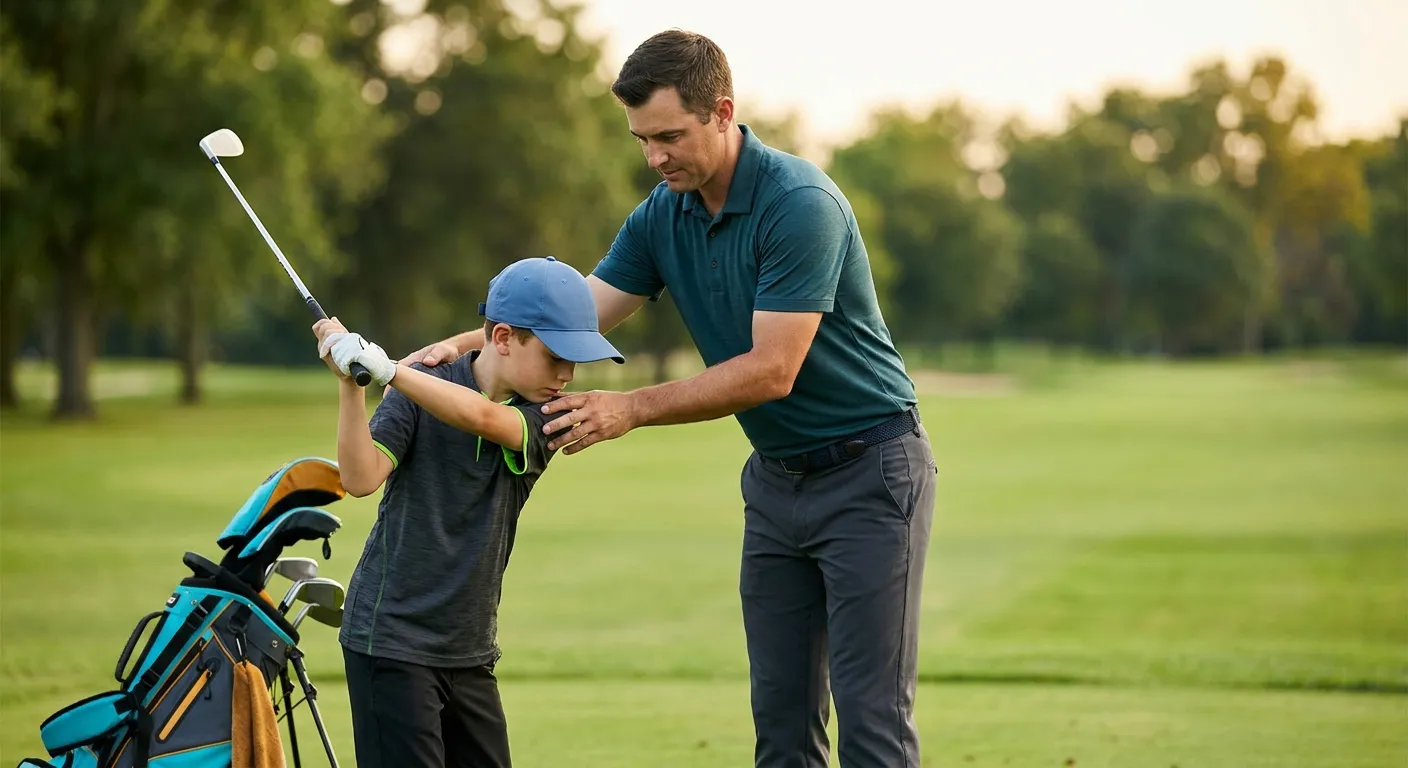
There’s a palpable excitement around junior golf, driven by a surge in younger players who embrace the sport’s social, wellness, and lifestyle benefits. This isn’t just a fleeting trend; it’s a foundational shift. Nurturing junior golf talent is crucial for the continued growth and vibrancy of the game, ensuring that the next generation finds joy, camaraderie, and skill on the greens. At Golf Place, we believe in supporting every golfer’s journey, starting from their very first swing.
The golf industry recognizes the importance of engaging youth. Total golf engagement, including off-course simulators, has reached an all-time high, indicating a broad appeal that extends beyond traditional play. By focusing on accessibility, fun, and proper development, we can inspire a lifelong love for golf in young players, making it truly inclusive. Consequently, this focus is vital for the sport’s future.
The Importance of Youth Engagement in Golf
Engaging young people in golf offers numerous benefits, both for the individuals and for the sport itself. For example, golf teaches patience, discipline, and respect, all valuable life skills. Furthermore, it provides a healthy outdoor activity that promotes physical fitness and mental well-being. Many young players develop strong friendships on the course, fostering a sense of community. Therefore, creating welcoming environments is paramount.
The growth of youth participation is evident in various programs worldwide. Organizations like The First Tee are instrumental in introducing golf to diverse groups of children, often from underserved communities. They combine golf instruction with life skills education, thereby making a significant impact. This approach proves that golf can be more than just a game; it can be a vehicle for personal growth. Consequently, such initiatives deserve widespread support.
PGA Jr. League: A Model for Engaging Young Golfers
One of the most successful models for engaging young golfers is the PGA Jr. League. This program offers a team-based approach, which contrasts with the typically individual nature of golf. Children play in a fun, scramble format, reducing pressure and emphasizing teamwork. As a result, this structure makes golf more approachable and enjoyable for beginners.
The PGA Jr. League has seen impressive growth, demonstrating the effectiveness of its format. It provides a structured yet relaxed environment where kids can learn the game, develop skills, and build confidence. Moreover, the team aspect encourages camaraderie and sportsmanship, which are essential values. For instance, children learn to support their teammates and celebrate collective successes. This collective experience is vital for nurturing junior golf talent.
Making Golf Accessible and Enjoyable for Kids
Accessibility is a significant factor in attracting and retaining young golfers. High costs, limited access to courses, and a perception of golf as an elite sport can deter potential players. Therefore, efforts to lower barriers are crucial. Many facilities now offer junior rates, family packages, and introductory clinics. In addition, schools and community centers are increasingly incorporating golf into their programs.
Making golf enjoyable for kids means focusing on fun over strict rules in the early stages. Games and drills that resemble play rather than rigorous practice can keep young players engaged. For example, setting up short courses or using oversized equipment can make the game less intimidating. Ultimately, the goal is to create positive early experiences that foster a lasting interest. This positive start is key to nurturing junior golf talent effectively.
The Role of Equipment and Training in Youth Development
Proper equipment is essential for young golfers. Using clubs that are too heavy or too long can hinder a child’s swing development and make the game frustrating. Consequently, junior clubs are specifically designed with lighter shafts and smaller grips to suit smaller frames. Golf Place offers a range of junior equipment suitable for various age groups and skill levels. Furthermore, selecting the right golf ball, considering factors like golf ball compression and energy transfer, can also aid in a junior’s development.
Beyond equipment, appropriate training is vital. Coaching for juniors should emphasize fundamental skills, but always in an age-appropriate manner. Coaches should prioritize making learning fun and encouraging natural athletic development. For instance, focusing on swing tempo consistency can be introduced through playful drills rather than rigid instruction. Moreover, virtual golf coaching is becoming popular, allowing young players to improve faster from home. This method offers flexibility and personalized feedback.
Developing Fundamental Skills and Good Habits
For young golfers, establishing strong fundamentals early on is paramount. This includes grip, stance, and posture. However, it’s equally important to avoid overwhelming them with too much technical information. Instead, coaches should use simple analogies and visual aids. For example, teaching a proper grip can be compared to holding a bird – firm but gentle. Consequently, this approach helps children grasp concepts more easily.
Encouraging good practice habits, even short ones, can significantly impact a junior’s progress. Regular, short practice sessions are often more effective than infrequent, long ones. Moreover, incorporating games that focus on specific skills, such as putting or chipping, can make practice enjoyable. For instance, setting up targets or playing