Embarking on your golf journey is an exciting step! The greens beckon, the fresh air calls, and the promise of a perfect swing awaits. However, before you can master your putt or drive, you need the right equipment. For beginners, the sheer volume of choices can be overwhelming. Don’t worry, Golf Place is here to guide you through the essential golf gear beginners need, ensuring you start your golfing adventure on the right foot.
Getting started in golf shouldn’t feel like a high-stakes investment. The goal is to acquire reliable, forgiving gear that helps you learn and enjoy the game without breaking the bank. Think of it as building a foundational wardrobe – you need the basics before adding designer pieces. This guide will help you understand what truly matters for those first few rounds, focusing on practical choices.
Understanding Your First Golf Set: What to Prioritize
When you’re just starting, you don’t need a full 14-club set. Instead, focus on clubs that offer forgiveness and ease of use. This means larger clubheads, wider soles, and shafts designed to help you get the ball airborne. Consequently, the key is to build confidence with every swing, not get bogged down by overly specialized gear. Choosing the correct initial equipment is vital for a positive experience.
The Fundamental Five: Clubs to Start With
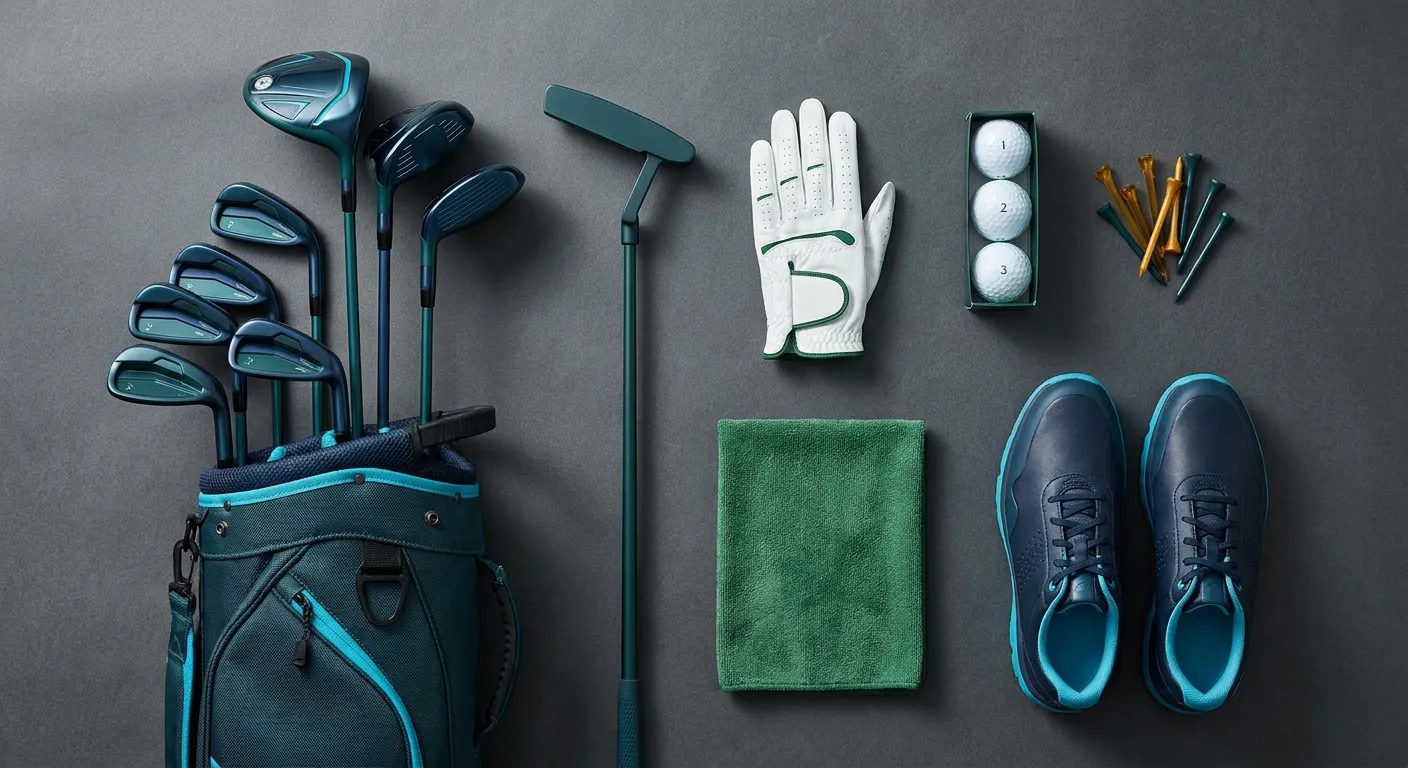
1. Driver: A high-lofted driver (10.5-12 degrees) with a larger clubhead (460cc) and a flexible shaft will be your best friend off the tee. This helps maximize forgiveness on off-center hits and makes it easier to launch the ball. Moreover, a forgiving driver can significantly boost your confidence.
2. Fairway Wood/Hybrid: A 3-wood or a 4/5-hybrid is crucial for longer shots from the fairway or even off the tee on shorter holes. Hybrids are often easier to hit than long irons due to their wider sole and lower center of gravity. For instance, many new golfers find hybrids much more manageable.
3. 7-Iron: This is a great club for learning the fundamentals of an iron swing. Its mid-loft makes it versatile for a variety of distances. Therefore, practicing with a 7-iron can build a solid foundation.
4. Pitching Wedge (PW): Essential for shots around the green, approaching the flag, and getting out of light rough. Mastering your pitching wedge is key to developing a solid short game. Notably, good short game skills save strokes.
5. Putter: The most used club in your bag! For beginners, a mallet-style putter offers more stability and easier alignment compared to traditional blade putters. Look for models with clear alignment aids. As a result, you’ll likely see more consistent putts.
Beyond Clubs: Other Essential Gear for Beginning Golfers
Golf isn’t just about clubs. A few other items will significantly enhance your experience on the course. Furthermore, having the right accessories can make a significant difference in comfort and performance. This section highlights additional essential golf gear beginners should consider.
- Golf Balls: Don’t splurge on premium balls initially. Opt for durable, mid-compression balls designed for distance and forgiveness. You’ll lose a few, so choose wisely. For more on how balls perform, consider reading about golf ball compression and energy transfer explained.
- Golf Bag: A lightweight stand bag is ideal for walking the course. Look for comfortable straps and enough pockets for your essentials. Consequently, you’ll find carrying your clubs much easier.
- Golf Shoes: Comfortable, waterproof golf shoes provide the necessary grip and support for your swing and for walking several miles. Look for models with good cushioning. In addition, proper footwear prevents fatigue.
- Gloves: A single glove (worn on your non-dominant hand for right-handers) improves grip, prevents blisters, and provides better control. Consider exploring cushioned golf grips for better comfort and feel to complement your glove choice.
- Tees: A simple box of wooden or plastic tees is a must-have for teeing off on each hole.
- Ball Markers and Divot Tools: These small but vital accessories help you mark your ball’s position on the green and repair divots, maintaining course etiquette.
- Headwear: A cap or visor protects you from the sun, which is important for long days outdoors.
- Sunscreen: Essential for protecting your skin during extended time on the course.
Apparel Choices for the New Golfer
While golf has a reputation for strict dress codes, many public courses are more relaxed. Still, dressing appropriately enhances your experience and reflects respect for the game. Therefore, choose comfortable, functional clothing.
- Shirts: A collared shirt is generally preferred, but many courses now allow athletic shirts. Look for moisture-wicking fabrics to stay dry and comfortable. For example, moisture-wicking golf shirts for all-day comfort are an excellent choice.
- Pants/Shorts: Khakis, golf-specific pants, or Bermuda-length shorts are standard. Avoid denim. In addition, stretchable fabrics offer better mobility during your swing.
- Outerwear: A lightweight, waterproof jacket is useful for unpredictable weather.
Where to Find Your First Set of Golf Equipment for Beginners
You have several options when it comes to purchasing your first set of golf equipment. Each has its advantages. Consequently, selecting the right place can save you money and ensure you get suitable gear. When looking for essential golf gear beginners often find value in specific retail avenues.
- Retailers specializing in golf: Stores like Golf Galaxy or PGA Superstore offer a wide selection and expert advice. They can help you with basic club fitting.
- Online stores: Websites such as Golf Place, Amazon, or Dick’s Sporting Goods provide convenience and competitive pricing. However, you miss out on in-person fitting.
- Used equipment shops or online marketplaces: Sites like eBay or local golf shops often have quality used clubs. This can be a cost-effective way to acquire your initial set. For instance, a gently used beginner set can be perfect.
- Starter Sets: Many brands offer complete beginner sets, often including a driver, a few irons, a wedge, a putter, and a bag. These are convenient and budget-friendly.
When buying clubs, remember that forgiveness is key for new players. Avoid clubs designed for advanced players, as they can be frustrating to learn with. Instead, focus on game-improvement irons and drivers with a larger sweet spot. For further improvement, consider how club customization benefits for better golf performance could help later. It is important to know that the right equipment can significantly impact your early progress.
Practice and Improvement: Beyond the Gear
Having the right equipment is just the beginning. To truly enjoy and improve at golf, consistent practice is vital. Therefore, make time for the driving range and putting green. For example, focusing on your swing tempo can greatly improve your game. Learn more about swing tempo consistency through better training.
Consider taking a few lessons from a PGA professional. They can provide personalized feedback and correct common beginner mistakes, helping you develop good habits from the start. Moreover, professional guidance can accelerate your learning curve. Many resources are available to help you improve your game, including virtual coaching options.
Remember that golf is a journey, not a destination. There will be good shots and bad shots. The key is to enjoy the process, the camaraderie, and the beautiful surroundings. Consequently, patience and persistence are crucial. The essential golf gear beginners invest in will serve as the foundation for countless hours of enjoyment.
Maintaining Your Golf Gear
Once you have your essential golf gear beginners need, proper maintenance will ensure its longevity and performance. Keeping your clubs clean, for example, is simple yet effective. After each round, wipe down your clubheads and grips. This prevents dirt and grime buildup, which can affect your grip and ball striking. For instance, clean grooves help impart spin on the ball.
Store your clubs in a dry place to prevent rust. If you have a stand bag, ensure the legs are functioning correctly. Regularly check for any loose screws or damage. Furthermore, proper care extends the life of your investment. For more general equipment care tips, you might find information on maintenance equipment standards for safer operations useful.
Your golf shoes also require attention. Clean them after muddy rounds and allow them to air dry. Replace worn spikes as needed to maintain good traction. Similarly, your golf glove will last longer if you let it air out after use and avoid storing it crumpled. Taking these small steps will ensure your equipment is always ready for your next round.
Building Your Golfing Foundation
Starting your golf journey with the right equipment and mindset sets you up for success and enjoyment. The essential golf gear beginners acquire should focus on forgiveness, comfort, and affordability. As you progress, you can gradually upgrade your clubs and accessories, tailoring your set to your evolving skill level and preferences. Remember, the game is meant to be enjoyed, so don’t let equipment choices intimidate you. Focus on learning the fundamentals, practicing regularly, and most importantly, having fun on the course. For more insights on golf, you can explore resources like the US Golf Association (USGA) website, which offers extensive information on rules and equipment standards (www.usga.org). Additionally, the Royal and Ancient Golf Club of St Andrews (The R&A) also provides valuable resources for golfers worldwide (www.randa.org).
FAQ
What clubs should a complete beginner buy first?
A complete beginner should start with a basic set of forgiving clubs. This typically includes a high-lofted driver, a fairway wood or hybrid, a 7-iron, a pitching wedge, and a putter. This selection provides enough variety to learn the different types of shots without overwhelming a new player.
Is a full set of golf clubs necessary for new players?
No, a full 14-club set is not necessary for new players. In fact, it can be counterproductive. Focusing on a smaller, more manageable set of 5-7 clubs allows beginners to learn the fundamentals and develop a consistent swing without too many options creating confusion.
What type of golf balls are best for someone just starting?
For someone just starting, durable, mid-compression golf balls are best. These balls are designed for distance and forgiveness, making them easier to hit and less expensive to replace when lost. Avoid premium, multi-layer balls until your game develops.
How important are golf shoes for those new to the sport?
Golf shoes are very important for those new to the sport. They provide essential grip and stability during your swing, which helps with balance and power transfer. Additionally, they offer comfort and support for walking long distances on the course, especially in varying terrains and weather conditions.
Should new golfers take lessons, or just practice with their initial equipment?
New golfers should definitely consider taking lessons from a qualified PGA professional. While practice is crucial, lessons provide structured guidance, correct bad habits early on, and help develop proper technique. This can accelerate learning and prevent frustration, making the golf journey more enjoyable from the start.
What apparel is suitable for a beginner golfer?
Suitable apparel for a beginner golfer includes comfortable, moisture-wicking shirts (often collared), golf-specific pants or shorts, and a cap or visor for sun protection. Focus on clothing that allows for a full range of motion and is appropriate for the course’s dress code, if any.