
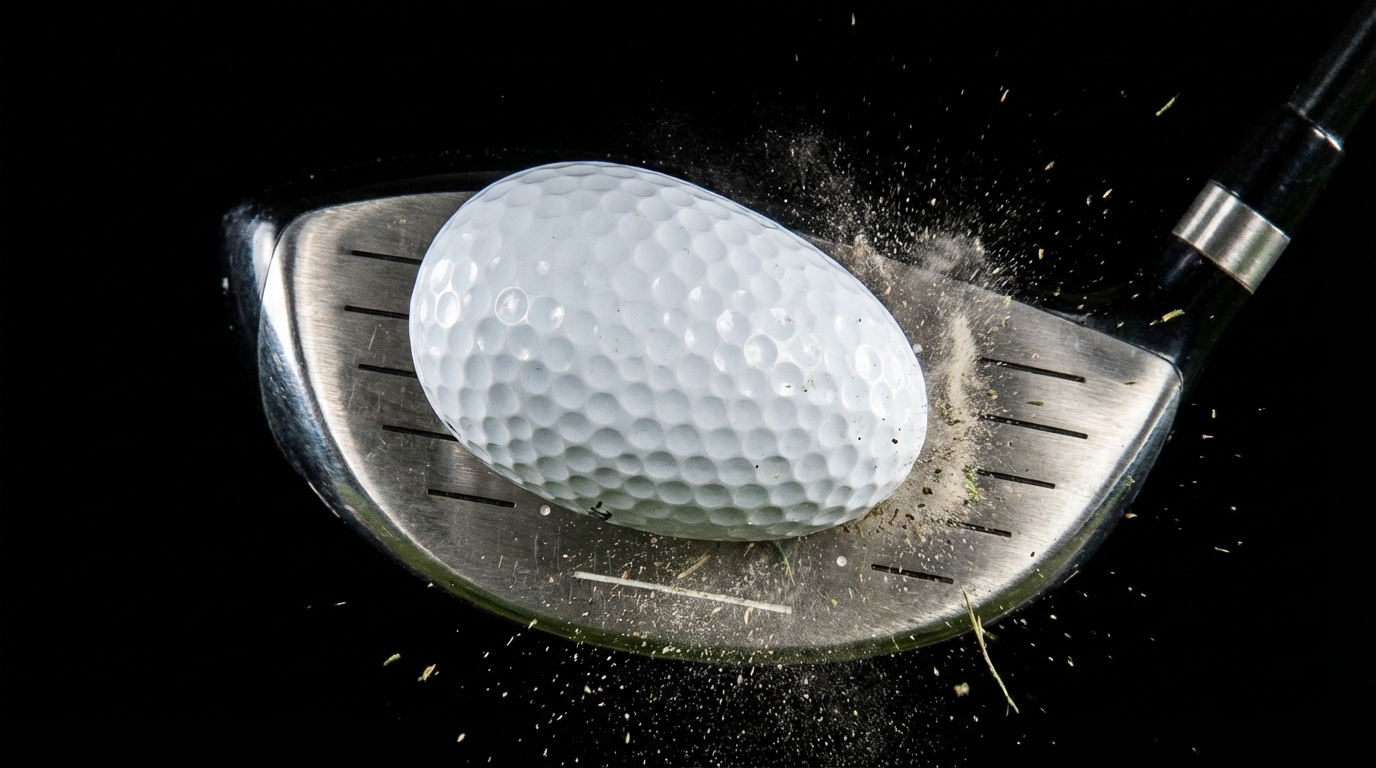
Choosing the right golf ball can dramatically improve your distance, control, and overall consistency. Many golfers spend hours adjusting their swing, yet they overlook how much impact the right golf ball has on launch, spin, and carry. If your ball does not match your swing speed and delivery, you leave yards on the table.
Although drivers and irons get most of the attention, the ball influences every shot. Therefore, understanding how construction affects performance helps you make smarter decisions. Once you match your swing to the proper model, you often see immediate gains.
Why the Ball Matters More Than You Think
Golf balls look similar on the surface. However, their internal construction varies greatly. Core size, compression rating, mantle layers, and cover material all change performance.
For example, a high-compression ball suits faster swing speeds. Meanwhile, lower-compression models help moderate swing speeds generate better energy transfer. Because of this, using the right golf ball improves ball speed without altering your technique.
Additionally, cover material affects spin. Urethane covers create more short-game control. Surlyn covers reduce spin for straighter full shots. As a result, your choice impacts both distance and scoring ability.
Small design differences produce measurable yardage gains. That is why equipment fitting should include ball selection.
Understanding Swing Speed and Compression
Swing speed plays a major role in distance optimization. Players with faster swings compress firmer balls more efficiently. Conversely, slower swings struggle to compress high-compression models.
If compression does not match your speed, energy transfer drops. Consequently, ball speed decreases and launch becomes inconsistent.
Most amateur golfers swing drivers between 85 and 100 mph. Many of them unknowingly play balls designed for tour-level speeds above 105 mph. Because those balls do not fully compress, distance suffers.
Testing different compression ratings helps identify the right golf ball for your personal launch conditions. When compression matches your speed, carry distance often increases immediately.
Launch Angle and Spin Optimization
Distance depends on launch and spin working together. Too much spin creates ballooning shots. Too little spin causes low, falling trajectories.
The right golf ball helps balance these factors. Lower-spin models reduce driver backspin, producing flatter, longer flights. Higher-spin models provide more stopping power with irons.
If you already generate excess spin, choosing a lower-spin option can add valuable yards. On the other hand, if your shots drop quickly, you may benefit from slightly more spin and height.
Launch monitor data makes this process easier. However, even on-course testing reveals differences in peak height and roll-out.
Matching spin characteristics to your swing ensures maximum carry and optimal rollout.
Two-Piece vs Multi-Layer Construction
Two-piece golf balls typically feature a large core and durable cover. These balls promote lower spin and straight flight. As a result, they often suit beginners and high-handicap players.
Multi-layer balls include additional mantles between core and cover. This design allows manufacturers to separate driver spin from wedge spin. Therefore, players can gain distance off the tee while maintaining greenside control.
Although many assume more layers always mean better performance, that is not always true. Instead, you need the right golf ball that fits your skill level and priorities.
Distance-focused golfers may prefer a low-spin two- or three-piece model. Competitive players often choose premium multi-layer options for scoring precision.
How Feel Influences Performance
Feel impacts confidence. Confidence influences swing freedom. Swing freedom often increases speed.
Softer balls compress more easily and produce a muted sound. Firmer balls create a sharper click. Because sound affects perception, many golfers perform better with a feel they trust.
While feel does not directly add yardage, it affects how aggressively you swing. If you trust the right golf ball, you commit fully through impact.
Testing feel during practice rounds helps you identify what inspires confidence without sacrificing performance numbers.
Weather and Course Conditions
Conditions also influence ball selection. Cold weather reduces compression efficiency. Therefore, slightly softer models perform better in cooler temperatures.
Windy conditions favor lower-spin designs. Excess spin exaggerates side movement in crosswinds. A lower-spin ball flies straighter and penetrates wind more effectively.
Firm courses reward lower-spin options that roll out after landing. Softer courses benefit from slightly higher launch and spin to hold greens.
Because conditions vary seasonally, some golfers rotate models. Even so, they ensure each option remains the right golf ball for their swing characteristics.
Short Game Trade-Offs
Distance matters, yet scoring happens around the green. Premium urethane balls provide more wedge spin and stopping control. However, they may spin slightly more off the driver.
Distance-oriented balls reduce spin for longer tee shots but may release more on chips.
You must decide where you want performance gains. If you struggle off the tee, prioritizing driver optimization makes sense. If approach shots frequently run through greens, extra spin may help more.
Finding the right golf ball often involves balancing tee performance with short-game control.
Testing the Proper Way
Random testing rarely produces clear answers. Instead, follow a structured process.
First, narrow choices based on swing speed. Second, compare two or three models during the same session. Third, track carry distance, dispersion, and peak height.
During short-game testing, observe how quickly chips stop. Notice trajectory consistency on half-wedges.
Because feel and performance both matter, combine data with personal preference. When numbers improve and confidence rises, you likely found the right golf ball.
Consistent testing over multiple rounds confirms results.
Common Mistakes Golfers Make
Many players assume tour balls automatically improve distance. However, these balls target high-speed swings. Without sufficient speed, they underperform.
Others select balls solely based on price. While budget matters, mismatched performance costs strokes and yardage.
Some golfers constantly switch models. Inconsistent ball choice creates inconsistent feedback. Sticking with the right golf ball builds predictable performance.
Avoid choosing based on marketing claims alone. Instead, rely on launch conditions and on-course results.
When to Reevaluate Your Choice
Swing changes affect ball performance. If you gain speed through training, your compression needs may shift. Likewise, improved contact may alter spin characteristics.
Reevaluate your ball at least once per season. Additionally, test again after significant equipment changes.
Because performance evolves, the right golf ball today may not remain ideal forever.
Regular reassessment ensures continued distance optimization.
Strong Conclusion
Distance does not come from swing speed alone. It comes from efficient energy transfer, optimized launch, and controlled spin. While technique matters, equipment alignment plays an equally important role.
Choosing the right golf ball aligns construction, compression, and spin profile with your natural swing. As a result, ball speed improves. Launch stabilizes. Carry distance increases.
Rather than chasing mechanical changes immediately, evaluate your equipment first. A simple ball switch often delivers noticeable yardage gains without altering your swing.
Ultimately, maximizing distance requires smart decisions. Start with the one piece of equipment used on every shot. When you commit to playing the right golf ball, you unlock the performance your swing already has.
FAQ
1. How do I know if my current ball fits my swing speed?
Check your average driver swing speed. Then compare it to the manufacturer’s recommended compression range.
2. Do softer balls always go farther?
Not necessarily. Softer models help moderate swing speeds but may reduce performance for very fast swings.
3. Should beginners use premium urethane models?
Beginners often benefit more from lower-spin distance balls that promote straighter shots.
4. Can changing balls really add yardage?
Yes. Matching compression and spin to your swing can increase carry distance immediately.
5. How often should I test new models?
Review your ball choice annually or after major swing or equipment changes.