
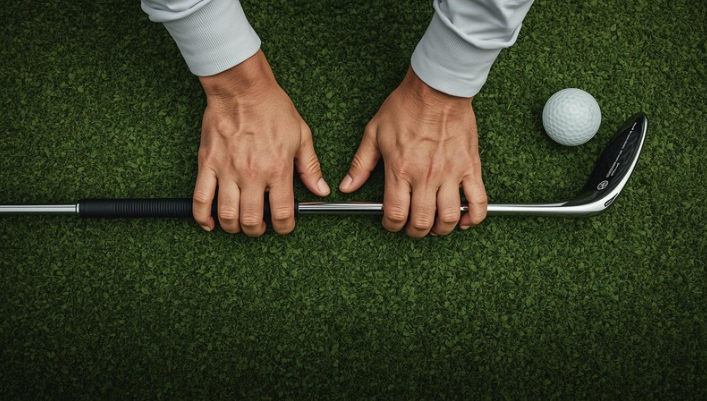
Replace your golf grips before performance begins to slip. Many golfers focus on drivers, irons, and golf balls, yet they overlook the one part of the club they actually hold. However, grips directly influence comfort, tension, and control. When they wear down, subtle changes begin to appear in your swing.
At first, the decline feels minor. The club may twist slightly at impact. You may squeeze harder without noticing. Over time, those small adjustments create inconsistent ball flight and unnecessary tension. Consequently, comfort fades and confidence drops.
Fresh grips restore traction and stability. More importantly, they bring back that secure feeling in your hands. Because your hands guide every shot, grip condition matters more than most players realize.
Let’s explore when and why you should replace your golf grips to maintain peak comfort and performance.
Why You Should Replace Your Golf Grips Regularly
Grips are consumable equipment.
Every swing exposes them to friction, sweat, dirt, and sunlight. As a result, rubber compounds begin to break down. Texture fades. Tackiness decreases.
When traction declines, your instinct is to squeeze tighter. Increased grip pressure tightens forearms. Tight forearms restrict wrist hinge. Restricted hinge limits clubhead speed.
Although the changes feel subtle, they compound over time. Reduced speed lowers distance. Altered wrist action affects accuracy.
Therefore, replacing your golf grips regularly prevents unnecessary performance loss. Instead of compensating for worn material, you maintain natural mechanics.
Comfort remains consistent. Control stays stable.
Signs It’s Time to Replace Your Golf Grips
Some signs are obvious. Others are gradual.
If grips feel slick even after cleaning, replacement is likely needed. Shiny patches often indicate worn texture. Hardening rubber signals aging material.
You may also notice increased tension during swings. Shots may curve more than usual. Clubface control may feel inconsistent.
Additionally, visible cracks or smooth spots suggest deterioration. In humid conditions, slipping becomes more noticeable.
When these signs appear, replacing your golf grips restores traction immediately.
Ignoring them prolongs discomfort.
How Often Should You Replace Your Golf Grips?
Frequency depends on play volume.
Golfers who play once per week typically replace grips annually. Frequent players may need replacements every six months. Practice sessions accelerate wear.
Climate also matters. High heat and humidity break down rubber faster. Cold conditions stiffen materials over time.
As a general rule, if you play 40 to 60 rounds per year, schedule yearly replacement.
Routine maintenance prevents performance decline.
How Worn Grips Affect Comfort and Confidence
Comfort influences confidence.
When grips feel secure, your hands relax. Relaxed hands promote smoother tempo. Smooth tempo improves consistency.
However, worn grips increase uncertainty. You may question grip pressure before each shot. That hesitation disrupts focus.
Over time, doubt replaces trust. Instead of committing fully, you guide the club tentatively.
Replacing your golf grips restores assurance. Because your hands feel stable again, tension decreases naturally.
Confidence often returns instantly.
The Connection Between Grip Wear and Swing Mechanics
Grip wear alters hand action subtly.
As texture fades, grip pressure rises. Elevated pressure stiffens wrists. Stiff wrists reduce hinge and release timing.
In addition, inconsistent traction can shift hand placement slightly at address. Small variations in hand alignment influence clubface angle.
Even slight misalignments affect ball flight significantly.
When you replace your golf grips, mechanics feel natural again. Because traction improves, hand placement stabilizes.
Stable hand placement supports repeatable impact.
Why Fresh Grips Improve Distance
Distance depends on speed and timing.
Excessive grip pressure reduces clubhead speed. Reduced speed decreases ball velocity. Although the difference may be only a few miles per hour, yardage declines noticeably.
Fresh grips encourage lighter pressure. Lighter pressure enhances wrist hinge. Enhanced hinge supports efficient energy transfer.
Consequently, distance may improve slightly after replacement.
While grips do not add power directly, they remove friction that limits performance.
Removing friction unlocks potential.
Grip Texture and Material Breakdown
Rubber compounds degrade gradually.
Ultraviolet exposure dries materials. Sweat and oils accelerate wear. Dirt accumulates within grooves.
Even if grips appear intact, internal tackiness may diminish.
Cleaning can restore some traction temporarily. However, cleaning cannot reverse aging material.
Therefore, replacing your golf grips periodically ensures consistent texture and performance.
Maintenance supports longevity.
Psychological Benefits When You Replace Your Golf Grips
Fresh grips create a reset.
New texture feels secure. The club sits confidently in your hands. That sensation improves mental clarity.
Because golf relies heavily on confidence, small upgrades can shift mindset positively.
Replacing worn grips signals commitment to improvement. Commitment builds belief.
Belief influences performance.
Sometimes, confidence grows not from swing changes but from reliable equipment.
Grip Size Considerations During Replacement
Replacement offers an opportunity for refinement.
Hand size may change over time. Grip strength may fluctuate. Comfort preferences may evolve.
Standard grips do not fit everyone perfectly. Midsize or undersize options may provide better support.
Additionally, extra tape layers allow fine adjustments.
When replacing your golf grips, consider professional measurement. Proper fit maximizes comfort.
Customized fit enhances control further.
Seasonal Timing for Grip Replacement
Many golfers replace grips at the start of the season.
Fresh grips entering peak playing months ensure consistency. Alternatively, off-season replacement prepares equipment for improvement cycles.
Avoid waiting until mid-season performance declines noticeably.
Proactive replacement prevents frustration.
Planning ahead maintains readiness.
DIY vs Professional Grip Replacement
Some players replace grips themselves.
Do-it-yourself kits are affordable and convenient. However, professional installation ensures precise alignment and consistent tape layering.
If experimenting with size adjustments, professional fitting offers guidance.
Regardless of method, quality installation matters.
Secure alignment ensures uniform feel across all clubs.
Cost Versus Performance Value
Grip replacement remains one of the most affordable upgrades.
Compared to drivers or irons, grips cost significantly less. Yet their impact touches every shot.
Investing in fresh grips protects swing mechanics and comfort.
Given their role in control, replacement offers strong value.
Small investments produce meaningful returns.
How Replacing Grips Supports Long-Term Development
Long-term improvement depends on consistency.
Practicing with worn grips introduces variables. Those variables disrupt feedback.
Fresh grips maintain consistent tactile sensation. Consistency strengthens muscle memory.
Stable feedback accelerates skill development.
Because hands remain the control center, grip condition influences learning efficiency.
Replacing your golf grips supports steady progress.
Environmental Impact and Grip Care
Proper storage extends lifespan.
Avoid leaving clubs in hot vehicles. Heat accelerates material breakdown. Store clubs in moderate environments.
Clean grips regularly with mild soap and water. Dry thoroughly afterward.
Although maintenance helps, eventual replacement remains necessary.
Care delays wear but cannot prevent it entirely.
Conclusion: Replace Your Golf Grips Before Performance Slips
Replace your golf grips to preserve comfort, confidence, and control. Because your hands connect directly to the club, worn grips influence tension, face angle, and timing. Subtle deterioration gradually impacts performance.
Fresh grips restore traction and encourage relaxed hand action. Relaxed hands improve tempo and consistency. Instead of waiting for visible damage, replace grips proactively based on usage and feel.
Small maintenance steps protect long-term performance. Comfort fuels confidence. Confidence supports lower scores. If you want peak performance without changing your swing, start by replacing your golf grips.
FAQ
- How often should I replace my golf grips?
Most golfers should replace grips once per year or after 40–60 rounds. - Can worn grips reduce distance?
Yes, increased grip pressure from worn grips can lower clubhead speed slightly. - Is cleaning enough to restore old grips?
Cleaning helps temporarily, but it cannot reverse material breakdown. - Do new grips improve accuracy?
Fresh grips enhance traction and stabilize hand placement, which can improve consistency. - Should grip size be reconsidered during replacement?
Yes, replacement provides an opportunity to evaluate and optimize grip size for comfort and control.