
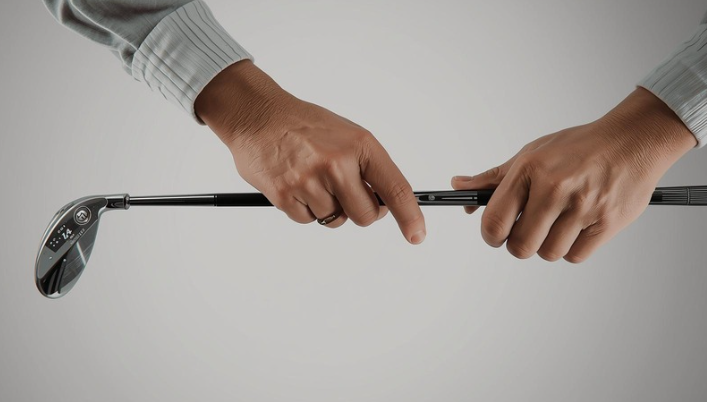
Custom golf grips may look like a small upgrade, yet they can create a powerful shift in your game. Because your hands are the only connection to the club, grip comfort directly affects control, tension, and confidence. When that connection feels secure and natural, your swing flows with less effort.
Many golfers chase distance through equipment changes. However, they often ignore the one component they actually touch. If your grips feel too thin, too thick, or too slick, your body compensates. Those compensations alter face angle, tempo, and release timing.
On the other hand, custom golf grips are built around your hand size, pressure tendencies, and feel preferences. As a result, comfort increases. More importantly, confidence grows. And confidence, as you know, plays a huge role in performance.
Let’s explore how properly fitted grips improve comfort and transform consistency from tee to green.
Why Custom Golf Grips Matter More Than You Think
Comfort affects everything.
When your hands feel tense, your forearms tighten. Tight forearms restrict wrist hinge. Restricted hinge reduces clubhead speed. Although that sequence happens quickly, the performance drop can be noticeable.
Custom golf grips eliminate unnecessary tension. Because they match your hand dimensions, you don’t need to squeeze as hard. Less squeezing allows smoother motion.
Additionally, grip size influences face rotation. Undersized grips can encourage overactive hands. Oversized grips may restrict release. Either extreme impacts direction.
By tailoring grip diameter to your measurements, face control improves naturally.
Small adjustments create measurable results.
How Grip Size Impacts Swing Confidence
Grip size directly affects how secure the club feels.
If your fingertips dig deeply into your palm, the grip may be too small. Consequently, you might over-rotate your hands. Hooks can appear unexpectedly.
If your fingers barely wrap around the grip, it may be too large. Limited hand action may cause pushes or weak fades.
Custom golf grips solve that issue. When size fits properly, your hands relax. Relaxed hands promote fluid motion. Fluid motion enhances timing.
Confidence rises when the club feels like an extension of your arm. Instead of thinking about grip pressure, you focus on target and strategy.
That shift improves execution.
Custom Golf Grips and Reduced Tension
Tension hides in subtle ways.
Many golfers squeeze harder without realizing it. Pressure builds during critical shots. However, excessive grip pressure slows clubhead speed and alters mechanics.
With custom golf grips, natural hand positioning reduces the urge to squeeze. Because the grip feels secure, pressure decreases automatically.
Lower tension improves tempo. Improved tempo enhances rhythm. Rhythm supports consistency.
Although tension cannot be eliminated entirely, it can be managed effectively through proper grip fit.
Material Choices in Custom Golf Grips
Comfort depends on more than size.
Grip material influences traction and feel. Rubber compounds provide durability and moderate softness. Corded grips enhance traction in humid conditions. Hybrid grips blend softness with stability.
Custom golf grips allow you to select materials suited to climate and playing style. If you sweat heavily, textured surfaces improve control. If you prefer softer feel, certain polymers deliver enhanced cushioning.
Furthermore, some players prefer reduced taper designs. Less taper supports stable lower-hand positioning.
Material selection enhances both comfort and performance.
Weather and Grip Performance
Environmental conditions affect grip feel.
Humidity increases moisture. In damp weather, slippery grips cause instability. That instability increases grip pressure.
Cold weather stiffens materials slightly. Therefore, softer grips may feel more comfortable in winter months.
Custom golf grips can be selected according to climate patterns. Because you play in specific conditions, your grips should reflect that environment.
Prepared equipment supports consistent performance year-round.
Custom Golf Grips and Shot Consistency
Consistency lowers scores.
When grip fit stabilizes hand action, dispersion tightens. Reduced face rotation minimizes extreme curvature. Therefore, shots stay closer to target lines.
In addition, secure grips improve feedback. Better feedback enhances strike awareness. You learn from each shot more effectively.
Because custom golf grips reduce compensations, mechanics become repeatable. Repeatability produces reliable ball flights.
Reliable ball flights build trust.
Trust encourages commitment.
Commitment improves outcomes.
Improving Distance Through Proper Grip Fit
Distance often improves subtly.
When hands remain relaxed, wrist hinge becomes more natural. Natural hinge increases clubhead speed slightly. Increased speed enhances ball velocity.
Although the change may feel small, incremental gains accumulate. Over multiple clubs, distance gaps become more consistent.
Grip fit does not magically add yards. However, it removes barriers that limit speed potential.
Removing barriers unlocks performance.
The Psychological Boost of Custom Golf Grips
Golf remains as mental as it is physical.
Confidence starts with comfort. When your equipment feels tailored to you, belief strengthens.
Custom golf grips create that tailored sensation. Because your hands feel supported, anxiety decreases.
Lower anxiety improves decision-making. Improved decisions reduce mistakes.
When confidence increases, your swing follows suit.
When to Replace or Upgrade Grips
Grips wear down gradually.
Over time, surface texture smooths. Oils and dirt reduce traction. Slippery grips increase pressure.
Most golfers should replace grips annually or after approximately 40 rounds. Frequent players may need replacements sooner.
Upgrading to custom golf grips during replacement ensures optimal fit moving forward.
Routine maintenance preserves comfort and performance.
How Grip Fit Works With Full Club Fitting
Grip customization complements shaft and loft adjustments.
Shaft flex influences timing. Loft influences launch. Grip size influences hand action.
Together, these elements shape ball flight.
During full fittings, grip adjustments often provide immediate feedback improvements. Because the connection point changes instantly, swing sensation improves.
Integrated equipment alignment maximizes overall performance.
Custom Golf Grips for Different Skill Levels
Beginners benefit from neutral grip sizing. Proper fit establishes solid fundamentals early.
Intermediate players often notice dispersion improvements after grip adjustments. Their swings are consistent enough to measure impact.
Advanced golfers fine-tune grip taper and texture preferences for enhanced control.
Regardless of skill, comfort improves confidence.
Small Grip Changes, Big Impact
Grip tape layers allow subtle customization.
Adding one or two extra wraps increases thickness slightly. Reduced taper under the lower hand may stabilize release.
Because these changes feel minor, many golfers overlook them. However, even small modifications influence face control noticeably.
Testing under professional guidance refines results effectively.
Conclusion: Comfort Builds Confidence and Performance
Custom golf grips improve comfort, reduce tension, and stabilize hand action. Because your hands guide every swing, proper grip fit directly influences accuracy, consistency, and even distance. When grips match your hand size and environmental conditions, you swing with greater freedom.
Instead of overlooking grips as minor accessories, recognize their foundational role. Confidence begins where your hands meet the club. If you want measurable improvement without changing your swing mechanics, start with custom golf grips. Comfort creates control, and control lowers scores.
FAQ
- How do I know if I need custom golf grips?
If you feel excessive tension, discomfort, or inconsistent ball flight, your grips may not fit properly. - Can custom golf grips improve accuracy?
Yes, properly fitted grips stabilize hand action and reduce face rotation errors. - How often should grips be replaced?
Most golfers should replace grips once per year or after about 40 rounds. - Do larger grips reduce hooks?
Larger grips can limit excessive hand rotation and may help control hooks. - Are custom golf grips expensive?
Costs vary, but grip upgrades are generally affordable compared to other equipment changes.