
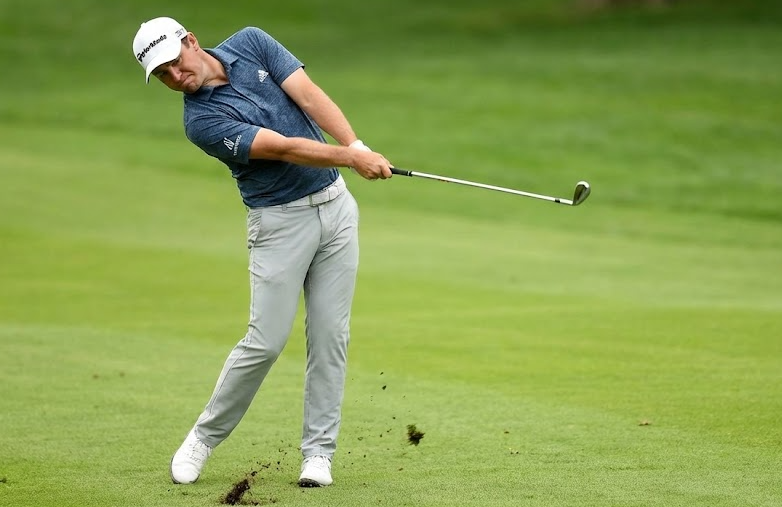
Every golfer hits bad shots. That’s normal. However, when bad shots become patterns, poor golf technique is usually the root cause. It doesn’t always look dramatic. Sometimes it hides behind playable results or occasional good shots. Still, over time, it quietly undermines performance.
Poor technique doesn’t just affect ball flight. It influences consistency, confidence, physical comfort, and even enjoyment of the game. Many golfers work harder instead of smarter, reinforcing habits that limit progress.
Understanding how poor golf technique hurts performance is the first step toward real improvement.
What Poor Golf Technique Really Means
Poor golf technique is not about looking unorthodox. Many great players swing differently. Technique becomes poor when movement patterns reduce efficiency, consistency, or control.
Common signs include unstable balance, inconsistent contact, poor sequencing, and excessive tension. These issues may not ruin every shot. However, they increase variability.
Golf rewards repeatability. Poor technique reduces it.
Why Poor Technique Leads to Inconsistent Ball Striking
Consistency starts at impact. Poor technique disrupts impact quality.
When balance shifts unpredictably, contact varies. When sequencing breaks down, clubface control suffers. These problems cause inconsistent ball speed and direction.
As a result, golfers struggle to trust distances and shot shapes. One iron flies long. The next falls short.
Poor golf technique turns simple shots into guesses.
Distance Loss Caused by Inefficient Technique
Many golfers assume distance loss comes from lack of strength. In reality, poor technique wastes energy.
Early releases, weak sequencing, and poor weight transfer reduce clubhead speed at impact. Even when swing speed appears fast, ball speed suffers.
Efficient technique transfers energy cleanly. Poor technique leaks it away.
That leak shortens drives and weakens approach shots.
Accuracy Problems and Shot Dispersion
Accuracy depends on predictable clubface delivery.
Poor golf technique introduces timing dependencies. Timing-dependent swings work only when everything syncs perfectly.
Under pressure, timing falters. Misses widen. Shot dispersion increases.
A technically sound swing reduces reliance on perfect timing. That stability tightens dispersion patterns.
Why Poor Technique Increases Big Misses
Small mistakes happen in every round. Poor technique magnifies them.
A slight balance error becomes a severe slice. A small tempo change produces a heavy strike.
Forgiving technique limits damage. Poor technique punishes imperfection.
Big misses raise scores quickly.
Impact on Short Game and Scoring Shots
Poor golf technique doesn’t stop with full swings.
Chipping and pitching suffer when setup and motion lack stability. Distance control becomes unreliable. Touch disappears.
Putting also suffers when mechanics create tension or inconsistent face control.
Scoring requires precision. Poor technique undermines it.
Fatigue and Physical Strain From Poor Technique
Inefficient movement stresses the body.
Overactive arms strain shoulders. Poor rotation stresses the lower back. Balance issues increase fatigue.
As rounds progress, performance drops. Pain appears. Recovery slows.
Sound technique conserves energy. Poor technique drains it.
Why Poor Technique Hurts Confidence
Confidence relies on predictability.
When results feel random, trust disappears. Golfers second-guess decisions. Swing thoughts multiply.
Poor golf technique creates uncertainty. Uncertainty fuels tension.
Confidence fades when technique cannot be trusted.
Mental Pressure Amplifies Technical Flaws
Pressure exposes weaknesses.
Poor technique relies heavily on timing. Pressure disrupts timing. Results suffer.
Sound technique relies on structure. Structure survives pressure better.
That difference separates range performance from on-course results.
Poor Technique and Practice Plateaus
Many golfers practice often but improve slowly. Poor technique is usually responsible.
Repetition reinforces habits. If habits are inefficient, progress stalls.
Practicing poor golf technique makes it permanent.
Quality movement matters more than volume.
Why Equipment Cannot Fix Poor Technique
Modern equipment offers forgiveness. However, forgiveness has limits.
Clubs can reduce penalty on mishits. They cannot stabilize poor movement.
Relying on equipment masks problems temporarily. Technique still controls outcomes.
Fixing movement produces lasting improvement.
Common Technical Errors That Hurt Performance
Several issues appear repeatedly among struggling golfers.
These include early extension, poor posture, weak grip control, and rushed transitions.
Each flaw introduces inconsistency. Combined, they compound problems.
Poor golf technique rarely exists in isolation.
Why Simple Technique Often Performs Better
Complex swings demand precision.
Precision breaks down under fatigue and pressure.
Simpler technique adapts better. Fewer moving parts reduce failure points.
Poor technique often comes from unnecessary complexity.
The Role of Instruction in Fixing Poor Technique
Self-diagnosis is difficult.
Professional instruction identifies root causes quickly. Feedback prevents wasted practice.
Structured improvement replaces guessing.
Fixing poor golf technique requires clarity.
How Improving Technique Improves Scoring
Better technique improves contact. Contact improves distance control. Distance control improves accuracy.
Greens hit increase. Penalties decrease. Scores drop.
Improvement becomes predictable.
Technique creates scoring opportunities.
Why Technique Matters at Every Skill Level
Beginners need good foundations. Advanced players need reliability.
Poor technique limits progress at any stage.
Even low handicappers struggle when flaws persist.
Sound fundamentals support lifelong improvement.
Age, Athleticism, and Technique
As golfers age, efficiency matters more.
Speed declines naturally. Poor technique accelerates that decline.
Efficient movement preserves distance and control longer.
Technique ages better than brute force.
Recognizing When Technique Is the Problem
Signs include inconsistent distances, frequent big misses, recurring pain, and stalled improvement.
If effort increases but results don’t, technique is the likely culprit.
Awareness triggers change.
Fixing Poor Technique Without Overhauling Everything
Not all issues require rebuilds.
Small adjustments improve balance, sequencing, and contact quickly.
Focused changes produce noticeable results.
Incremental improvement beats radical change.
Why Addressing Poor Technique Improves Enjoyment
Golf becomes frustrating when effort feels unrewarded.
Fixing poor golf technique restores clarity. Progress becomes visible.
Enjoyment returns when confidence grows.
Better golf feels easier.
Conclusion
Poor golf technique quietly sabotages performance by reducing consistency, distance, accuracy, and confidence. It increases fatigue, magnifies pressure, and stalls improvement. While it may not ruin every shot, it limits potential and enjoyment over time. Addressing technical flaws restores efficiency and predictability. When technique supports motion rather than fighting it, performance improves naturally and golf becomes the game it was meant to be.
FAQ
1. What is poor golf technique?
It refers to inefficient movement patterns that reduce consistency, control, and performance.
2. Can poor technique still produce good shots?
Yes, but results rely heavily on timing and are difficult to repeat.
3. Does poor technique affect short game performance?
Yes. Poor mechanics reduce distance control and touch around the greens.
4. Can equipment fix poor golf technique?
No. Equipment helps, but movement quality determines outcomes.
5. How long does it take to fix poor technique?
Small improvements can appear quickly, while lasting change requires consistent practice and guidance.