
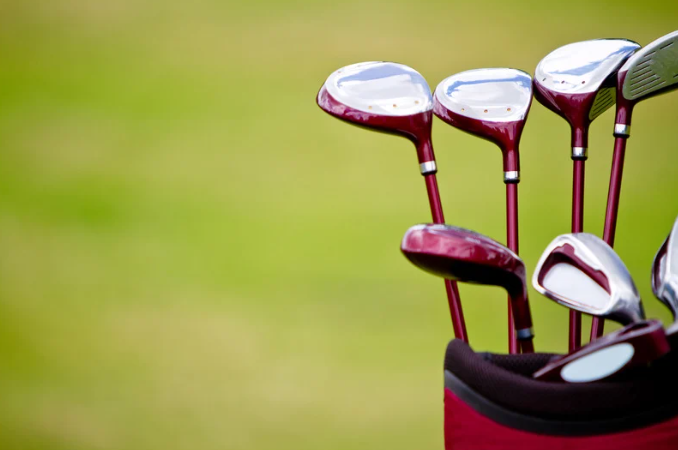
Golf is a game built on precision, rhythm, and repeatability. When one element falls out of balance, everything else shifts. That’s why unfitted golf clubs cause inconsistent performance for so many players. Even if your swing is improving, mismatched equipment can hold you back without you even realizing it. The smallest detail—shaft length, lie angle, grip size, flex, or clubhead design—can disrupt your timing, ball contact, and confidence.
Many golfers assume they just need more practice. Others blame bad rounds on mechanics. Yet the truth is often hidden in the equipment they carry. Unfitted golf clubs force your body to make compensations in order to square the face, create power, or deliver a functional shot shape. Because these compensations change from swing to swing, inconsistency becomes the natural result. Instead of improving, you fight your clubs to make them work.
Let’s break down how unfitted golf clubs affect your performance, why these issues happen, and how proper fitting can transform your entire game.
Why Unfitted Golf Clubs Lead to Inconsistency
Unfitted golf clubs create inconsistency because they do not match your body, your swing pattern, or your natural movement. When your clubs don’t fit, your swing becomes a constant negotiation. You try to adjust your mechanics to compensate for what the club is failing to do. Those adjustments change from one shot to the next, making your results unpredictable.
Consider your posture at address. When a club is too long, you stand taller and lose stability. When it’s too short, you hunch over and restrict rotation. Both issues create balance problems. Because balance influences everything from takeaway to impact, inconsistency becomes unavoidable.
Additionally, clubs with the wrong shaft flex cause timing problems. A shaft that’s too stiff doesn’t load properly, so your ball flight stays low and fades weakly. A shaft that’s too soft overflexes, making the clubhead pass too quickly. You may hook shots or launch them unpredictably high. As you try to correct these effects, your swing changes constantly.
Unfitted golf clubs force you to fight physics instead of working with them. Proper fitting removes those barriers so your swing flows naturally.
Length: One of the Biggest Culprits Behind Unfitted Golf Clubs
Club length affects posture, balance, and swing path more than most golfers realize. When your clubs are the wrong length, your consistency disappears quickly because your body isn’t aligned correctly.
If a club is too long, you often reach for the ball. This creates tension in your arms and reduces shoulder turn. The club tends to travel outside the proper path, leading to slices and weak strikes. You may also stand too upright, causing heel strikes or inconsistent contact low on the face.
If a club is too short, you compensate by bending over too much. This creates a steep angle of attack and encourages hooks, chunks, and toe strikes. Even worse, posture changes mid-round as fatigue builds, making inconsistency even more likely.
Proper length gives you a neutral setup. When your posture feels natural, your swing becomes easier to repeat.
Lie Angle: A Silent Contributor to Inconsistent Shots
Many golfers overlook lie angle, yet it directly influences where the ball starts. The wrong lie angle is one of the most common signs of unfitted golf clubs. If the lie is too upright, the toe points upward and the face tilts left at impact. This causes pulls and pull-hooks. When the lie is too flat, the heel comes up and the ball starts right.
Golfers often assume these ball flights come from swing faults. Sometimes they do, but clubs with poor lie angles make these outcomes almost unavoidable. Even when you deliver a great swing, the ball still travels offline. As a result, your confidence suffers because you can’t trust the outcome.
A proper lie angle ensures that the sole of the club makes even contact with the turf, which stabilizes direction and improves accuracy.
Shaft Flex: Timing Problems and Inconsistent Impact
The shaft is the engine of the golf club. When the flex doesn’t match your swing speed and tempo, inconsistency becomes the norm. Unfitted golf clubs with improper flex introduce timing problems that lead to erratic ball flights.
If the shaft is too stiff, it doesn’t load during the downswing. Because of this, the clubface arrives open, producing slices and low, weak fades. You work harder to square the face, which often leads to overcompensation and wild hooks.
If the shaft is too soft, the opposite happens. The shaft loads too much, causing the clubhead to release early. Shots launch high, spin too much, or curve left unexpectedly. Distance control becomes extremely difficult.
Matching shaft flex to your swing creates predictable timing. When the shaft responds properly, your consistency improves dramatically.
Grip Size: Affecting Release, Comfort, and Clubface Control
Grip size plays a surprisingly big role in consistency. Unfitted golf clubs often come with grips that are too small or too large for the player. Since your hands are your direct connection to the club, the wrong grip size disrupts your swing.
If the grip is too small, your hands become too active. This increases wrist action, making the clubface rotate unpredictably. Hooks, snap hooks, and inconsistent release patterns become common.
If the grip is too large, your hands can’t rotate freely. This restricts release, causing pushes, slices, and weak fades. Because grip size also affects comfort, tension increases in your arms and shoulders. Once tension shows up, consistency disappears.
The right grip size encourages a natural release, giving you stable, predictable contact.
Clubhead Design: Mismatched Forgiveness Causes Errors
Every golfer has unique needs. Some need more forgiveness, while others want precision. When your clubhead design doesn’t match your skill level or strike pattern, inconsistency becomes inevitable.
Players using blades or low-handicap irons without the needed accuracy will suffer from harsh mishits. These unforgiving heads punish any small mistake, causing unpredictable distances and direction changes.
On the other hand, golfers with high-speed swings may struggle with overly forgiving clubs that produce too much spin. Shots balloon, distances vary, and ball control becomes harder.
Proper fitting ensures your clubhead design matches your goals, swing speed, and strike tendency.
Swing Path Compensations Caused by Unfitted Golf Clubs
Unfitted golf clubs often force players into unnatural swing paths. When clubs don’t align naturally to your setup and motion, your brain instinctively compensates to make the shot work.
For example, if your clubface tends to stay open due to lie angle or shaft issues, your body may start swinging more left to compensate. If the club tends to close early, you may begin holding the face open or swinging excessively from the inside.
These compensations become habits that are difficult to break. Even after switching to fitted clubs, your old patterns may remain. When your equipment fits properly from the start, you avoid developing these inconsistent habits.
Distance Gaps Become Unpredictable with Unfitted Clubs
Distance gapping becomes a major issue when your clubs aren’t fitted. Because length, loft, flex, and strike quality all affect distance, inconsistent clubs create overlapping yardages. You may hit your 7-iron farther than your 6-iron on one swing, then shorter on another. This destroys confidence, especially on approach shots.
When distance gapping isn’t predictable, you misjudge shots. Instead of relying on a precise number, you start guessing. That guesswork leads to more mistakes, which leads to higher scores.
Fitted clubs deliver consistent loft gaps, repeatable impact positions, and balanced trajectories.
How Unfitted Golf Clubs Affect Confidence
Confidence shapes every round. When you trust your equipment, your swing feels natural. When you don’t, doubt creeps in. Unfitted golf clubs cause inconsistent results, which damage your belief in your abilities.
Miss-hit after miss-hit doesn’t always mean you’re swinging poorly. Sometimes it means your equipment is working against you. Once you learn this truth, it becomes easier to understand why consistency feels impossible.
Properly fitted clubs restore confidence. They help you feel connected to your swing. They allow you to predict ball flight. And they reduce anxiety over certain shots.
The Long-Term Consequences of Using Unfitted Golf Clubs
Using unfitted golf clubs doesn’t just harm performance. Over time, unbalanced posture, forced movements, and compensations can cause pain or injury. Many golfers unknowingly strain their backs, wrists, and shoulders because their clubs don’t match their body mechanics.
Additionally, poor fitting slows your improvement. Even if you take lessons, your swing fights against the equipment. As a result, progress feels limited and frustrating.
Fitted clubs support your natural biomechanics, help prevent injuries, and allow lessons to work effectively.
How Proper Fitting Fixes Inconsistent Golf Performance
A proper club fitting corrects inconsistency by tailoring every club to your swing. Fitters analyze your height, posture, wrist-to-floor measurement, swing speed, angle of attack, tempo, and ball flight patterns. With these insights, they adjust:
Length
Lie angle
Loft
Shaft flex
Swing weight
Grip size
Clubhead design
Once everything matches your motion, consistency improves. Your swing becomes repeatable because the club works with your body instead of forcing adjustments.
Proper fitting often leads to immediate improvements. Players hit the center of the face more often. Ball flight stabilizes. Distances become predictable. And confidence grows because every shot feels more controlled.
Conclusion
Unfitted golf clubs cause inconsistent performance by disrupting your posture, timing, contact quality, and confidence. They force compensations that lead to unpredictable ball flights and frustrating rounds. When your equipment doesn’t match your swing, even your best mechanics can’t overcome the disadvantages. However, fitted clubs restore consistency by aligning with your natural motion. They support cleaner contact, better accuracy, stronger distance control, and higher confidence. When your clubs finally match your game, everything becomes easier—and far more enjoyable.
FAQ
1. How do I know if my clubs are unfitted?
Look for signs like inconsistent contact, posture discomfort, frequent slices or hooks, and unpredictable distances.
2. Do beginners need fitted clubs?
Yes, fitted clubs help beginners build correct habits and avoid compensations from the start.
3. How long does a club fitting take?
Most fittings take 60–90 minutes depending on the depth of analysis.
4. Should I get fitted after improving my swing?
It’s best to get fitted now because improper clubs can slow or distort your improvement.
5. Are fitted clubs worth the investment?
Absolutely. They provide more consistency, better comfort, and long-term performance gains.