
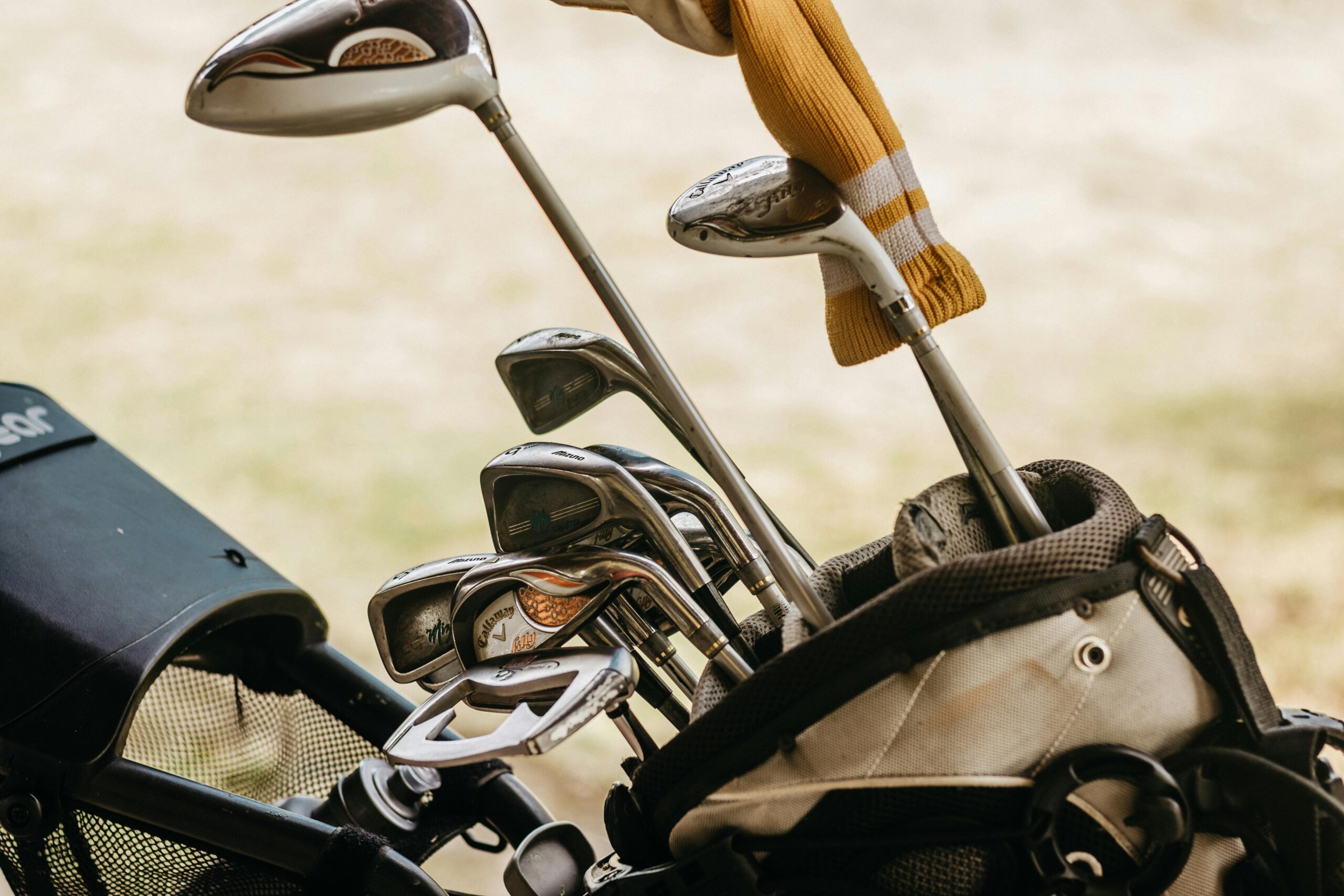
What’s Shaft Flex — and Why Does It Matter So Much?
Ever felt like your club just isn’t doing what you want it to? The culprit might not be your swing — it could be your shaft flex.
Shaft flex refers to how much a golf club’s shaft bends during your swing. And trust us, it’s a big deal. Choosing the wrong flex can throw off your timing, kill your distance, and wreck your accuracy. Get it right, though, and you’ll unlock smoother swings, straighter shots, and better ball control.
Let’s break down exactly how to choose the best shaft flex for your golf clubs — and why it can transform your game.
The 5 Main Types of Shaft Flex
| Flex Type | Ideal Swing Speed | Typical Golfer Type |
| Ladies (L) | <70 mph | Slower swingers, beginners |
| Senior (A) | 70–85 mph | Older golfers, slower swing speeds |
| Regular (R) | 85–95 mph | Average male golfers |
| Stiff (S) | 95–105 mph | Faster swingers, low handicappers |
| Extra Stiff (X) | 105+ mph | Very fast swingers, pros |
Note: These ranges are just general guides — every golfer is different.
How to Determine Your Ideal Shaft Flex
1. Measure Your Swing Speed
This is the most accurate way to find your shaft flex sweet spot.
- Use a launch monitor or visit a fitting center
- Track your driver swing speed (your fastest club)
- Use your average, not your best-ever swing
Quick Tip:
If your driver swing speed is 90 mph, you’re likely best suited to regular flex. At 75 mph? Go senior flex.
2. Consider Your Carry Distance
If you don’t have a swing speed monitor, use your carry distance with a driver as a guide.
- Under 180 yards: Ladies or Senior flex
- 180–210 yards: Regular flex
- 210–240 yards: Stiff flex
- 240+ yards: Extra stiff
3. Analyze Your Ball Flight and Shot Pattern
Your shot shape can reveal what your shaft is telling you — or not telling you.
- Hooking the ball too much? Your shaft may be too flexible.
- Slicing or fading excessively? Shaft may be too stiff.
- Inconsistent contact or low ball flight? Flex mismatch could be the issue.
4. Think About Tempo and Transition
How you swing also influences the right flex.
- Smooth, slow tempo? Softer flex is better
- Aggressive, fast transition? Stiffer flex helps control
If you yank the club from the top with authority, a whippy shaft won’t keep up. If you glide through your swing, a stiff shaft might feel like a steel rod.
Steel vs. Graphite Shafts — Does It Affect Flex?
Yes, it does — but it’s not just about flex.
| Shaft Type | Key Benefits |
| Steel | More control, lower torque, preferred for irons |
| Graphite | Lighter, absorbs vibration, more distance |
For most amateurs (especially seniors, beginners, or those with joint pain), graphite shafts are the go-to. For players who prioritize feel and precision in irons, steel might still make sense.
Shaft Flex Across the Bag: One Size Doesn’t Always Fit All
Driver vs. Irons
You might need stiff flex in your driver but regular in your irons — or vice versa. It depends on your swing dynamics.
Wedges Usually Have Stiffer Shafts
Since they’re about touch and feel, most wedges come with stiff steel shafts. That’s normal, even for senior players.
Hybrids and Fairway Woods
Match your hybrid shaft flex to the iron it’s replacing, or go slightly softer if you want more help with launch.
Custom Fitting: Your Flex Confidence Booster
Want to get it absolutely right? Get fitted.
A professional fitting includes:
- Swing speed measurement
- Launch angle and spin analysis
- Tempo and transition evaluation
- Shaft length and flex recommendations
Even a basic fitting can drastically improve your performance — and your enjoyment of the game.
Signs You Might Be Using the Wrong Shaft Flex
Too Stiff:
- Lower than expected ball flight
- Loss of distance
- Frequent slices or fades
- Club feels “boardy” or harsh
Too Flexible:
- Ballooning shots that go too high
- Loss of accuracy (especially hooks)
- Club feels “whippy” or hard to control
What About Women’s and Senior Golfers?
Ladies’ Flex isn’t just for women — it’s for slower swings (under 70 mph).
Senior Flex is designed for players with moderate speed (70–85 mph).
If you’re losing distance, or feel like your swing isn’t generating enough power, it might be time to go softer, not harder.
Switching Shaft Flex Can Be a Game Changer
Let’s say you’re hitting your irons thin or struggling to find consistency. Before overhauling your swing, try adjusting your flex. A shaft that matches your tempo and speed will feel like an extension of your body — instead of a piece of equipment you’re fighting.
You’ll start seeing:
- Better launch
- More consistent ball flight
- Improved control
- Less strain and more confidence
Conclusion
Choosing the best shaft flex for your golf clubs isn’t just a technical detail — it’s a foundational part of your equipment setup that directly impacts every swing you take. From boosting distance and control to minimizing effort and strain, the right flex makes the game more enjoyable and rewarding. So stop guessing. Get your swing speed measured, know your tendencies, and match your shaft flex to your real game — not your dream one. The results? Instantly better golf.
FAQs
- Can I use different shaft flexes for different clubs?
Yes! Many golfers use stiff shafts for drivers and regular for irons. It’s all about matching flex to your swing with that specific club. - What happens if my shaft is too stiff?
You’ll likely hit lower, shorter shots and struggle with slicing. It can also feel harsh and unresponsive. - Is regular flex good for beginners?
If your swing speed is moderate (85–95 mph), regular flex is a solid choice. If you’re slower, consider senior or ladies flex. - How do I know when to switch flex types?
If your swing speed changes or your ball flight becomes erratic, it might be time to reassess your flex. - Do pros always use extra stiff shafts?
Not always, but most pros have very fast swings that require stiff or extra stiff shafts for control. It’s all about matching performance needs.